<?xml version="1.0" encoding="utf-8"?>
<feed xmlns="http://www.w3.org/2005/Atom" xmlns:media="http://search.yahoo.com/mrss/">
    <title>Luxury Home Touch</title>
    <link href="https://luxury-home-touch.pages.dev/feed.xml" rel="self" />
    <link href="https://luxury-home-touch.pages.dev" />
    <updated>2026-10-19T00:53:41+03:00</updated>
    <author>
        <name>Jessica B. James</name>
    </author>
    <id>https://luxury-home-touch.pages.dev</id>

    <entry>
        <title> Timeless Treasures That Bring History into Your Home</title>
        <author>
            <name>Jessica B. James</name>
        </author>
        <link href="https://luxury-home-touch.pages.dev/vintage-artifacts-timeless-treasures-that-bring-history-into-your-home/"/>
        <id>https://luxury-home-touch.pages.dev/vintage-artifacts-timeless-treasures-that-bring-history-into-your-home/</id>
        <media:content url="https://luxury-home-touch.pages.dev/media/posts/15/images-66.jpg" medium="image" />
            <category term="Vintage Artifacts"/>
            <category term="Doors &amp; Artistic Antiques"/>

        <updated>2026-10-19T00:51:25+03:00</updated>
            <summary type="html">
                <![CDATA[
                        <img src="https://luxury-home-touch.pages.dev/media/posts/15/images-66.jpg" alt="" />
                    Vintage artifacts offer a unique way to introduce history, character, and artistic&hellip;
                ]]>
            </summary>
        <content type="html">
            <![CDATA[
                    <p><img src="https://luxury-home-touch.pages.dev/media/posts/15/images-66.jpg" class="type:primaryImage" alt="" /></p>
                <div>
<p><a href="https://luxury-home-touch.pages.dev/antique-brass-hardware-timeless-details-for-elegant-interiors/">Vintage artifacts</a> offer a unique way to introduce history, character, and artistic beauty into interior design. From intricately carved decorative objects to antique metal accessories and handcrafted wooden pieces, these treasures tell stories about different eras, cultures, and traditional craftsmanship. Unlike mass-produced decorations, vintage artifacts often feature distinctive details, natural materials, and signs of age that give them an individual identity.</p>
<p>Whether displayed in a classic home, a contemporary apartment, or a luxurious villa, vintage artifacts can transform ordinary spaces into environments filled with personality and charm. Their appeal lies not only in their appearance but also in the sense of history and authenticity they bring to a room. By combining carefully selected artifacts with complementary furniture, lighting, and architectural details, homeowners can create interiors that feel elegant, meaningful, and timeless.</p>
<figure class="post__image"><img loading="lazy"  src="https://luxury-home-touch.pages.dev/media/posts/15/images-65.jpg" alt="" width="679" height="630" sizes="(max-width: 1024px) 100vw, 1024px" srcset="https://luxury-home-touch.pages.dev/media/posts/15/responsive/images-65-xs.jpg 300w ,https://luxury-home-touch.pages.dev/media/posts/15/responsive/images-65-sm.jpg 480w ,https://luxury-home-touch.pages.dev/media/posts/15/responsive/images-65-md.jpg 768w ,https://luxury-home-touch.pages.dev/media/posts/15/responsive/images-65-lg.jpg 1024w"></figure>
<h2>What Makes Vintage Artifacts Special?</h2>
<p>Vintage artifacts are decorative or functional objects associated with earlier periods and traditional styles. They may include carved wooden objects, metal ornaments, vintage hardware, decorative boxes, sculptural pieces, and other collectible items that reflect the materials and techniques of their time.</p>
<p>Their distinctive appeal comes from details that are difficult to reproduce perfectly in modern manufacturing. Handcrafted patterns, natural material variations, aged finishes, and subtle imperfections can make each object visually unique.</p>
<p>Vintage artifacts also provide opportunities for personal expression. A carefully chosen antique-inspired accessory may reflect a homeowner's interests, travels, or appreciation for traditional design. Rather than following temporary decorating trends, these objects help create a space with an individual character.</p>
<p>It is important to distinguish genuine antiques from vintage items and contemporary reproductions. Antique objects are generally understood to be older historical pieces, although the exact age threshold can vary by context. Vintage items are typically associated with an earlier period but may be more recent. Reproductions, meanwhile, recreate historical styles using modern manufacturing methods. Understanding these differences helps buyers make informed decisions about authenticity, condition, and value.</p>
<h2>Popular Types of Vintage Artifacts</h2>
<p>Vintage artifacts come in many forms, allowing homeowners and collectors to choose pieces that suit different interiors and decorating preferences.</p>
<h3>Vintage Wooden Artifacts</h3>
<p>Wooden artifacts are especially popular because they combine natural warmth with traditional craftsmanship. Examples include carved panels, decorative boxes, small sculptures, wooden trays, and ornamental furniture accessories.</p>
<p>Their appearance depends on the type of wood, carving technique, and surface finish. Rich walnut tones can complement traditional interiors, while lighter wood finishes work well in relaxed, rustic, or Scandinavian-inspired spaces.</p>
<p>Carved wooden artifacts are particularly effective when displayed against simple backgrounds. Their intricate patterns become more noticeable when surrounded by uncluttered furniture and neutral colors.</p>
<h3>Antique Metal Decorations</h3>
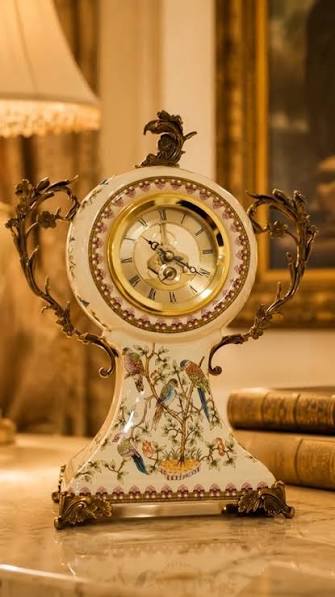
<p>Metal artifacts introduce contrast, texture, and visual weight into interior spaces. Brass ornaments, decorative ironwork, bronze-inspired sculptures, and vintage metal containers can complement both traditional and industrial-style interiors.</p>
<p>Antique brass pieces are especially appealing because their muted golden tones create a warm and sophisticated atmosphere. Decorative metal objects can also coordinate with door handles, cabinet pulls, hinges, and other architectural hardware, helping establish a consistent design throughout a room.</p>
<p>When selecting metal artifacts, consider the existing finishes and materials in the space. A small number of carefully positioned pieces often creates a stronger impression than an excessive collection of unrelated decorations.</p>
<h3>Vintage Ceramics and Decorative Objects</h3>
<p>Ceramic artifacts can introduce color, pattern, and artistic detail to shelves, tables, and display cabinets. Vintage bowls, decorative plates, pottery, and sculptural ceramics are suitable for interiors that benefit from handcrafted textures and distinctive forms.</p>
<p>These pieces work particularly well when grouped according to a shared characteristic, such as color, material, or historical influence. A collection of ceramic objects in complementary tones can create an attractive display without making the space feel crowded.</p>
<p>For fragile or valuable pieces, proper positioning is essential. Stable surfaces, suitable display stands, and protection from accidental impact help preserve their condition.</p>
<h3>Vintage Architectural Details</h3>
<p>Some of the most distinctive vintage artifacts originate from architectural elements. Decorative door knockers, antique locks, carved panels, traditional hinges, and ornamental fittings can serve as both functional features and decorative objects.</p>
<p>These pieces are particularly suitable for homeowners who appreciate the relationship between architecture and craftsmanship. A vintage door knocker, for example, can enhance the entrance of a traditional home, while an old carved panel may become a decorative feature inside a living room or hallway.</p>
<p>Before reusing original architectural elements, check their structural condition and compatibility with the intended application. Historical pieces may require professional restoration or specialized installation to preserve their appearance and functionality.</p>
<h2>How Vintage Artifacts Enhance Interior Design</h2>
<p>Vintage artifacts can make a room feel more layered, inviting, and visually interesting. Their materials and finishes introduce contrast against modern furniture, smooth walls, and contemporary decorative accessories.</p>
<p>In a living room, a carved wooden object or vintage sculpture can serve as a focal point on a console table. In a dining room, decorative ceramics or antique-inspired metal pieces can complement wooden furniture and warm lighting. In a hallway, a small collection of architectural artifacts can create a welcoming introduction to the home's overall style.</p>
<p>Vintage artifacts can also soften minimalist interiors. A contemporary room with clean lines and neutral colors may benefit from one distinctive object that adds texture and history without disrupting the simplicity of the design.</p>
<p>The key is balance. Choose pieces that complement the room's scale, color palette, and existing materials. Larger artifacts need sufficient surrounding space to remain visually prominent, while smaller objects often look best when grouped thoughtfully rather than scattered across every available surface.</p>
<h2>Combining Vintage Artifacts with Modern Furniture</h2>
<p>Mixing vintage artifacts with modern furniture creates an appealing contrast between old and new. This approach allows homeowners to enjoy the character of traditional objects without making the entire interior feel historically themed.</p>
<p>For example, a contemporary console table can provide an understated setting for a vintage brass ornament. A modern bookcase can display traditional ceramics, while a minimalist dining room may gain warmth from a handcrafted wooden centerpiece.</p>
<p>To maintain visual harmony, identify one or two elements that connect the different styles. Shared colors, natural materials, or similar shapes can make the combination feel intentional.</p>
<p>Wood and metal are particularly useful for creating these connections. Vintage wooden artifacts can complement modern oak furniture, while antique brass accessories can coordinate with warm lighting or selected cabinet fittings.</p>
<p>Avoid filling every surface with decorative objects. Leaving negative space around important pieces allows their details to stand out and prevents the room from feeling cluttered.</p>
<h2>Choosing the Right Vintage Artifacts for Your Home</h2>
<p>Selecting suitable vintage artifacts requires more than choosing objects based on appearance. Consider their size, condition, material, authenticity, and relationship to the surrounding interior.</p>
<p>Begin by identifying the purpose of the piece. Some artifacts are intended primarily for display, while others may still serve practical functions. Decorative boxes, trays, door fittings, and selected furniture accessories can combine usefulness with visual appeal.</p>
<p>Next, examine the item's condition. Look for cracks, loose components, corrosion, moisture damage, or signs of previous repairs. Such characteristics do not automatically make an object undesirable, but they should be understood before purchasing, especially when authenticity or collectible value is important.</p>
<p>If you are buying a potentially valuable antique, request information about its origin, age, materials, and restoration history. Documentation and expert assessment may help establish authenticity, although no single feature guarantees that an object is genuine.</p>
<p>Finally, consider how the artifact will be displayed. Choose a location that highlights its most distinctive features and protects it from unnecessary damage. Direct sunlight, excessive humidity, and unstable display surfaces can affect certain materials over time.</p>
<h2>Vintage Artifacts as Collectibles and Decorative Investments</h2>
<p>Some vintage artifacts attract collectors because of their historical significance, rarity, craftsmanship, or connection to a particular artistic tradition. However, not every old object automatically increases in value.</p>
<p>Condition, provenance, demand, authenticity, and rarity can all influence an item's market price. A well-preserved piece with documented history may be more desirable than a similar object with uncertain origins or extensive restoration.</p>
<p>Buyers should research comparable items and seek specialist advice when considering expensive purchases. It is also wise to purchase from reputable dealers who provide clear descriptions and transparent information about condition and provenance.</p>
<p>Even when financial value is not the primary goal, collecting vintage artifacts can be rewarding. Objects selected for their design, cultural interest, or personal meaning can contribute lasting character to a home.</p>
<h2>Caring for and Preserving Vintage Artifacts</h2>
<p>Proper care helps protect vintage artifacts and preserve their distinctive appearance. Cleaning methods should always suit the item's material and condition.</p>
<p>Use a soft, dry cloth or brush to remove dust from sturdy decorative objects. Avoid aggressive polishing on aged metals, as it may remove the patina that contributes to their character. Wooden pieces may require controlled environmental conditions and gentle cleaning products suitable for their finish.</p>
<p>Fragile ceramics, painted surfaces, and historically significant objects may need specialist care. Avoid unnecessary repairs or refinishing before determining whether these changes could affect the item's originality or value.</p>
<p>For particularly valuable pieces, consult a professional conservator before attempting restoration. Careful preservation helps maintain both the physical condition and the historical character of the artifact.</p>
<h2>Conclusion</h2>
<p>Vintage artifacts bring history, craftsmanship, and individuality into modern living spaces. From carved wooden decorations and antique metal accessories to vintage ceramics and architectural details, these objects offer countless ways to create interiors with depth and character.</p>
<p>By choosing pieces that complement the surrounding furniture, balancing old and new design elements, and maintaining artifacts carefully, homeowners can build collections that remain visually appealing for years. Whether displayed as personal treasures or selected for their historical significance, vintage artifacts celebrate traditional artistry while giving contemporary interiors a distinctive and timeless identity.</p>
</div>
<div>
<div> </div>
</div>
            ]]>
        </content>
    </entry>
    <entry>
        <title> Timeless Details for Elegant Interiors</title>
        <author>
            <name>Jessica B. James</name>
        </author>
        <link href="https://luxury-home-touch.pages.dev/antique-brass-hardware-timeless-details-for-elegant-interiors/"/>
        <id>https://luxury-home-touch.pages.dev/antique-brass-hardware-timeless-details-for-elegant-interiors/</id>
        <media:content url="https://luxury-home-touch.pages.dev/media/posts/14/images-64.jpg" medium="image" />
            <category term="Doors &amp; Artistic Antiques"/>
            <category term="Antique Brass Hardware"/>

        <updated>2026-10-19T00:48:07+03:00</updated>
            <summary type="html">
                <![CDATA[
                        <img src="https://luxury-home-touch.pages.dev/media/posts/14/images-64.jpg" alt="" />
                    Antique brass hardware brings warmth, character, and timeless sophistication to interior design.
                ]]>
            </summary>
        <content type="html">
            <![CDATA[
                    <p><img src="https://luxury-home-touch.pages.dev/media/posts/14/images-64.jpg" class="type:primaryImage" alt="" /></p>
                <div>
<p><a href="https://luxury-home-touch.pages.dev/antique-brass-hardware-timeless-details-for-elegant-interiors/">Antique brass</a><a href="https://luxury-home-touch.pages.dev/timeless-elegance-and-artistic-craftsmanship/"></a> hardware brings warmth, character, and timeless sophistication to interior design. With its rich golden tones, aged patina, and distinctive decorative details, antique brass can transform ordinary doors, cabinets, drawers, and furniture into elegant architectural features. Whether incorporated into a traditional home, a luxurious villa, or a contemporary interior, these carefully crafted details create a sense of history and refinement that never goes out of style.</p>
<p>Unlike highly polished modern metal finishes, antique brass hardware offers a softer, more nuanced appearance. Its muted golden color and subtle variations complement natural materials, including wood, marble, stone, and leather. From ornate door handles to decorative hinges and vintage cabinet pulls, antique brass accessories provide an opportunity to combine practical functionality with artistic expression.</p>
<p> </p>
<figure class="post__image"><img loading="lazy"  src="https://luxury-home-touch.pages.dev/media/posts/14//images-63.jpg" alt="" width="790" height="790" sizes="(max-width: 1024px) 100vw, 1024px" srcset="https://luxury-home-touch.pages.dev/media/posts/14//responsive/images-63-xs.jpg 300w ,https://luxury-home-touch.pages.dev/media/posts/14//responsive/images-63-sm.jpg 480w ,https://luxury-home-touch.pages.dev/media/posts/14//responsive/images-63-md.jpg 768w ,https://luxury-home-touch.pages.dev/media/posts/14//responsive/images-63-lg.jpg 1024w"></figure>
<h2>What Makes Antique Brass Hardware Special?</h2>
<p>Antique brass hardware is valued for its distinctive appearance and ability to complement a wide variety of design styles. Brass is an alloy primarily made from copper and zinc, known for its attractive color, workability, and durability. An antique finish gives brass a weathered or aged appearance, creating the impression of a piece that has developed character over time.</p>
<p>Some products achieve this appearance through specialized finishing techniques, while genuine vintage pieces may display natural aging and patina. The resulting finish can range from dark bronze-like tones to muted gold with subtle brown or green undertones.</p>
<p>This variation makes antique brass particularly appealing to homeowners who appreciate individuality and craftsmanship. Rather than appearing overly bright or uniform, the finish introduces depth and texture that can make a room feel more welcoming and thoughtfully designed.</p>
<p>Antique brass hardware is also versatile. It can enhance the elegance of a traditional wooden door, add character to a vintage cabinet, or create an interesting contrast against minimalist furniture. Its enduring appeal lies in its ability to balance decorative beauty with everyday usefulness.</p>
<h2>Popular Types of Antique Brass Hardware</h2>
<p>Selecting the right hardware depends on the furniture, architectural style, and practical requirements of the space. Different pieces serve specific functions while contributing to the overall design.</p>
<h3>Antique Brass Door Handles</h3>
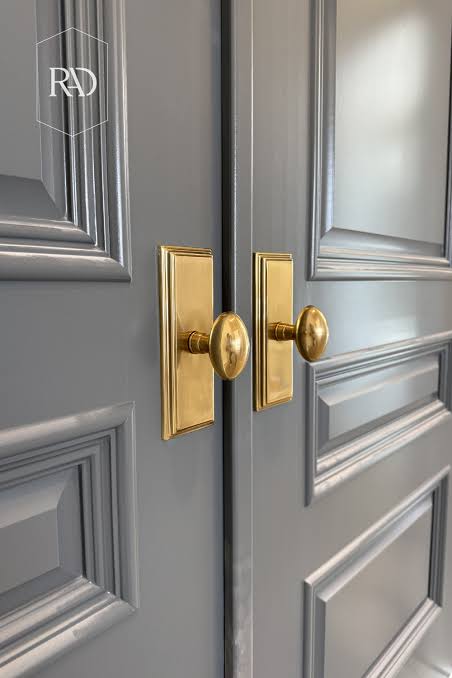
<p>Antique brass door handles are among the most recognizable decorative hardware options. Their warm finish complements wooden doors, painted surfaces, and traditional architectural details.</p>
<p>Lever handles often suit transitional and contemporary interiors, while rounded knobs and intricately shaped handles work beautifully in classic settings. Some designs feature engraved patterns, decorative backplates, or sculpted details that emphasize their vintage-inspired appearance.</p>
<p>When choosing door handles, consider comfort, durability, and compatibility with the existing lock or latch. A well-designed handle should feel comfortable to use while maintaining the visual character of the door.</p>
<h3>Decorative Hinges</h3>
<p>Hinges are essential functional components, but they can also contribute to a door's decorative appeal. Antique brass hinges complement traditional doors, especially those featuring raised panels, carved details, or rich wood finishes.</p>
<p>Exposed hinges can create a coordinated appearance when paired with matching handles and locks. For particularly heavy doors, it is important to select hinges with the appropriate load capacity and installation requirements rather than choosing them solely for their appearance.</p>
<h3>Vintage Cabinet Knobs and Pulls</h3>
<p>Antique brass cabinet knobs and pulls offer a simple way to refresh kitchens, wardrobes, sideboards, and bathroom vanities. Their warm finish works especially well with cream, deep green, navy blue, charcoal, and natural wood cabinetry.</p>
<p>Round knobs provide a subtle decorative accent, while elongated pulls introduce a more structured appearance. Detailed designs can reinforce a traditional aesthetic, whereas streamlined shapes are suitable for modern spaces that incorporate vintage-inspired elements.</p>
<p>Replacing cabinet hardware is also a practical way to update furniture without undertaking a complete renovation. Choosing consistent finishes throughout a room can create a more cohesive and polished result.</p>
<h3>Antique Brass Locks and Escutcheons</h3>
<p>Locks, keyholes, and escutcheons combine security-related functionality with decorative design. An escutcheon is a protective plate surrounding a keyhole or lock opening, and antique brass versions can enhance the appearance of traditional doors.</p>
<p>These details are especially effective when coordinated with matching handles, hinges, and other metal accessories. Before purchasing replacement locks or decorative plates, check their dimensions and compatibility with the existing door hardware.</p>
<h2>How Antique Brass Hardware Enhances Interior Design</h2>
<p>Hardware may seem like a small design element, but its finish, shape, and placement can significantly influence the appearance of a room. Antique brass introduces warmth and subtle contrast without overwhelming the surrounding furniture or architectural features.</p>
<p>In traditional interiors, antique brass handles and hinges complement carved wooden doors, decorative moldings, and classic furniture. Their aged appearance reinforces the sense of craftsmanship and heritage associated with these spaces.</p>
<p>In contemporary homes, antique brass can create a striking contrast against simple cabinetry and clean architectural lines. For example, muted brass cabinet pulls against dark green cabinets introduce warmth while preserving a sophisticated aesthetic.</p>
<p>Antique brass also pairs naturally with materials such as marble, travertine, walnut, oak, linen, and leather. These combinations create layered interiors that feel rich in texture rather than dependent on excessive decoration.</p>
<p>For the best results, consider the overall balance of metal finishes. Antique brass does not need to match every metal in the room exactly, but repeating it across selected elements, such as door handles, cabinet pulls, and lighting fixtures, helps establish visual continuity.</p>
<h2>Choosing the Right Antique Brass Finish</h2>
<p>Not all antique brass hardware looks the same. Understanding the differences between finishes helps homeowners select products that suit their desired atmosphere and maintenance preferences.</p>
<p>Dark antique brass features deeper brown and bronze undertones. It works particularly well with dark wood, traditional furniture, and interiors inspired by historic architecture.</p>
<p>Brushed antique brass offers a softer appearance with reduced shine. Its understated texture makes it suitable for transitional and contemporary spaces.</p>
<p>Aged brass is designed to reproduce the character of naturally weathered metal. Depending on the manufacturing process, it may include darker recesses and subtle variations in color.</p>
<p>Polished brass with an antique treatment combines a more reflective surface with an aged appearance. This option can suit interiors that require a slightly more decorative or luxurious finish.</p>
<p>When purchasing hardware, check whether the finish is a surface coating, a treated brass surface, or a naturally aged material. These differences can affect how the product wears over time and which cleaning methods are appropriate.</p>
<h2>Antique Brass Hardware for Wooden Doors and Furniture</h2>
<p>Wood and antique brass form a particularly successful design combination. The natural grain of wood provides warmth and texture, while brass introduces a refined metallic accent.</p>
<p>On dark oak or walnut doors, antique brass hardware can create a rich, traditional appearance. On lighter woods, such as pale oak, the same finish offers a softer contrast that feels inviting and elegant.</p>
<p>For carved wooden doors, decorative brass handles and hinges can highlight the craftsmanship of the door without competing with its patterns. Simpler hardware may be preferable when the carvings are already elaborate, while more ornate fittings can complement doors with restrained decorative details.</p>
<p>Furniture benefits from the same thoughtful approach. Antique brass pulls can enhance vintage dressers, writing desks, bedside tables, and display cabinets. On antique furniture, however, it is worth considering whether replacement hardware will preserve the piece's original character and historical value.</p>
<h2>Tips for Maintaining Antique Brass Hardware</h2>
<p>Proper care helps preserve the beauty and functionality of antique brass hardware. Maintenance requirements depend on the material, finish, and whether the product is intended to develop a natural patina.</p>
<p>For routine cleaning, use a soft, dry cloth to remove dust and fingerprints. If additional cleaning is necessary, follow the manufacturer's instructions and use a mild cleaning method suitable for the finish.</p>
<p>Avoid abrasive pads, harsh chemicals, and aggressive metal polishes unless the manufacturer specifically recommends them. These products may remove protective coatings, alter the finish, or damage the intended aged appearance.</p>
<p>Natural brass can develop a patina over time, which many homeowners consider part of its appeal. If you prefer a consistent appearance, choose a suitable protective finish and follow the recommended maintenance guidelines.</p>
<p>It is also important to inspect moving parts, including hinges, handles, and locks. Tightening loose screws and addressing minor mechanical issues can help maintain reliable performance while preserving the hardware's decorative value.</p>
<h2>Incorporating Antique Brass Hardware into Modern Homes</h2>
<p>Antique brass hardware can work beautifully in modern homes when used selectively. Instead of decorating every surface, introduce it through a few carefully chosen elements that create a consistent visual theme.</p>
<p>Start with frequently used features, such as entry door handles, kitchen cabinet pulls, or wardrobe knobs. Then consider repeating the finish in complementary accessories, including wall lights, mirrors, or furniture fittings.</p>
<p>A balanced approach prevents the room from feeling overly coordinated. Antique brass can coexist with black metal, stainless steel, and other finishes when the combinations appear intentional and support the overall design.</p>
<p>For homeowners who appreciate vintage-inspired interiors, antique brass hardware offers an accessible way to introduce character without filling the space with antique furniture. Even a simple modern cabinet can gain warmth and personality through carefully selected decorative fittings.</p>
<h2>Conclusion</h2>
<p>Antique brass hardware combines practical functionality with timeless decorative appeal. Its warm tones, distinctive finishes, and vintage-inspired character make it a versatile choice for doors, cabinets, furniture, and architectural details.</p>
<p>By selecting suitable handles, hinges, knobs, and locks, homeowners can enhance their interiors while creating a consistent and sophisticated design. Whether paired with carved wooden doors, classic furniture, or contemporary cabinetry, antique brass hardware adds depth, warmth, and individuality to everyday spaces.</p>
<p>With thoughtful selection and proper maintenance, these elegant details can remain an enduring part of an interior's design, celebrating craftsmanship and the beauty of finishes that grow more distinctive with time.</p>
</div>
<div>
<div> </div>
</div>
            ]]>
        </content>
    </entry>
    <entry>
        <title> Timeless Elegance and Artistic Craftsmanship</title>
        <author>
            <name>Jessica B. James</name>
        </author>
        <link href="https://luxury-home-touch.pages.dev/timeless-elegance-and-artistic-craftsmanship/"/>
        <id>https://luxury-home-touch.pages.dev/timeless-elegance-and-artistic-craftsmanship/</id>
        <media:content url="https://luxury-home-touch.pages.dev/media/posts/13/images-62.jpg" medium="image" />
            <category term="Doors &amp; Artistic Antiques"/>
            <category term="Carved Wooden Doors"/>

        <updated>2026-10-19T00:42:09+03:00</updated>
            <summary type="html">
                <![CDATA[
                        <img src="https://luxury-home-touch.pages.dev/media/posts/13/images-62.jpg" alt="" />
                    Carved wooden doors are more than functional entrances; they are works of&hellip;
                ]]>
            </summary>
        <content type="html">
            <![CDATA[
                    <p><img src="https://luxury-home-touch.pages.dev/media/posts/13/images-62.jpg" class="type:primaryImage" alt="" /></p>
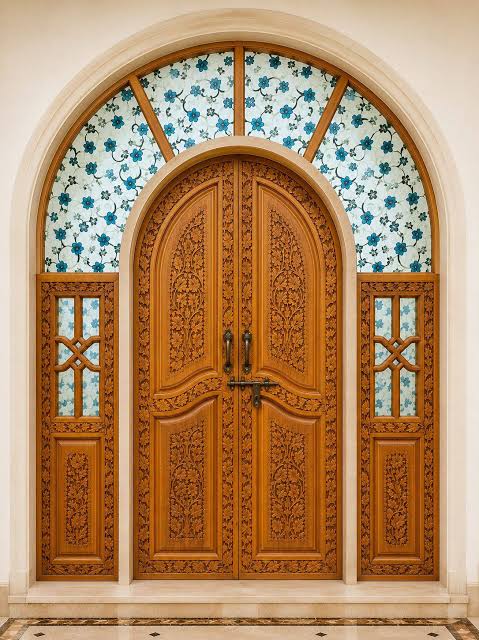
                <p>Carved wooden doors are more than functional entrances; they are works of art that bring character, sophistication, and timeless beauty to any interior or exterior space. With intricate patterns, detailed motifs, and natural wood textures, these doors transform ordinary entrances into striking architectural features. Whether used in traditional homes, luxurious villas, or contemporary properties, carved wooden doors create a distinctive impression that reflects craftsmanship and personal style.</p>
<p>From <a href="https://luxury-home-touch.pages.dev/timeless-patterns-for-elegant-and-modern-interiors/">classic floral designs</a> to geometric patterns and elaborate handcrafted details, carved wooden doors offer endless possibilities for enhancing a property's aesthetic appeal. Their combination of durability, artistic expression, and natural warmth makes them an excellent choice for homeowners who appreciate elegant design and enduring quality.</p>
<figure class="post__image"><img loading="lazy"  src="https://luxury-home-touch.pages.dev/media/posts/13/images-61.jpg" alt="" width="773" height="1033" sizes="(max-width: 1024px) 100vw, 1024px" srcset="https://luxury-home-touch.pages.dev/media/posts/13/responsive/images-61-xs.jpg 300w ,https://luxury-home-touch.pages.dev/media/posts/13/responsive/images-61-sm.jpg 480w ,https://luxury-home-touch.pages.dev/media/posts/13/responsive/images-61-md.jpg 768w ,https://luxury-home-touch.pages.dev/media/posts/13/responsive/images-61-lg.jpg 1024w"></figure>
<h2>The Beauty of Carved Wooden Doors</h2>
<p>The appeal of carved wooden doors lies in their unique combination of natural materials and artistic detail. Unlike plain doors with simple surfaces, carved designs introduce depth, texture, and visual interest. Every curve, line, and decorative element contributes to the door's overall appearance, creating a focal point that immediately attracts attention.</p>
<p>Wood itself adds warmth and authenticity to architectural spaces. Its natural grain patterns, rich colors, and distinctive textures complement a wide range of interior styles. When combined with carefully executed carvings, wood becomes a versatile medium for expressing traditional elegance or contemporary sophistication.</p>
<p>Carved wooden doors are available in various styles, from understated designs featuring subtle relief patterns to elaborate statement pieces decorated with intricate details. This variety allows homeowners to select doors that complement their architectural preferences while maintaining a cohesive appearance throughout the property.</p>
<h2>Popular Designs and Artistic Carving Styles</h2>
<p>Choosing the right carving style is essential for achieving the desired atmosphere. Different patterns communicate different design influences, making it important to consider the overall aesthetic of the home.</p>
<h3>Traditional Floral Carvings</h3>
<p>Floral motifs remain popular in decorative wooden doors because they introduce softness, movement, and natural beauty. Leaves, vines, flowers, and symmetrical botanical patterns create an elegant appearance that works particularly well in classic interiors, heritage properties, and luxurious residential spaces.</p>
<p>These designs often feature detailed craftsmanship that highlights the skill of the artisan. Depending on the level of decoration, floral carvings can create a subtle decorative accent or a dramatic visual centerpiece.</p>
<h3>Geometric and Symmetrical Patterns</h3>
<p>Geometric carvings offer a structured and balanced appearance. Repeating shapes, intersecting lines, and symmetrical compositions can create a sophisticated look that complements traditional and modern architecture.</p>
<p>These patterns are especially suitable for homeowners who appreciate decorative details without excessive ornamentation. Geometric designs can also incorporate cultural influences, giving a door a distinctive identity while maintaining a refined appearance.</p>
<h3>Antique-Inspired Wooden Doors</h3>
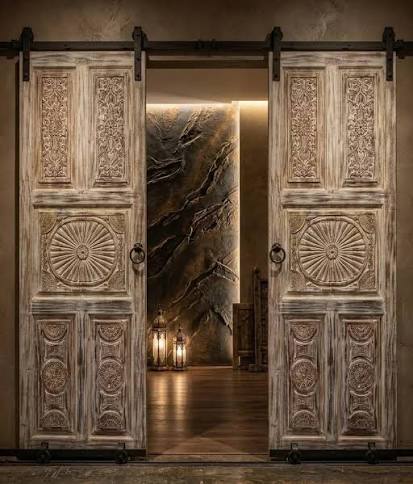
<p>Antique-inspired carved wooden doors bring a sense of history and authenticity to interior and exterior spaces. Their decorative panels, aged finishes, and intricate detailing can complement vintage furniture, traditional architectural elements, and collected decorative objects.</p>
<p>Some designs reproduce historical styles, while others incorporate reclaimed wood or distressed finishes to create an aged appearance. When selected carefully, these doors add character without making a space feel outdated.</p>
<h3>Contemporary Carved Designs</h3>
<p>Carved wooden doors are not limited to traditional interiors. Contemporary designs often feature clean lines, abstract patterns, shallow carvings, and minimal decorative elements.</p>
<p>These doors combine the warmth of natural wood with modern architectural simplicity. They are particularly effective in contemporary homes where texture and material quality play an important role in the overall design.</p>
<h2>Choosing the Right Wood for Carved Doors</h2>
<p>The type of wood used in a carved door influences its appearance, durability, maintenance requirements, and suitability for different environments. Selecting an appropriate material is therefore an important part of the purchasing process.</p>
<p>Hardwoods are frequently preferred for decorative doors because they can offer strength, attractive grain patterns, and a refined finish. Oak is valued for its distinctive grain and traditional appearance, while walnut provides deeper tones and a luxurious visual effect. Mahogany is another option appreciated for its rich color and elegant finish.</p>
<p>Other wood species may also be suitable depending on availability, budget, carving complexity, and intended use. The best choice depends on the door's location, exposure to moisture, and the level of decorative detail required.</p>
<p>For exterior applications, material selection and protective finishing are particularly important. A suitable weather-resistant coating helps reduce the effects of moisture, sunlight, and temperature changes. Proper installation and ongoing maintenance also contribute to the door's longevity.</p>
<h2>How Carved Wooden Doors Enhance Interior Design</h2>
<p>Carved wooden doors can influence the appearance of an entire room, not just the entrance itself. Their decorative surfaces introduce texture and visual depth, helping create a more layered and carefully designed environment.</p>
<p>In living rooms, a carved wooden door can complement traditional furniture, decorative mirrors, and warm lighting. In bedrooms, a more restrained design can create a sense of privacy while maintaining a sophisticated atmosphere. For dining rooms and formal reception areas, elaborate carved doors can reinforce an elegant aesthetic and establish a memorable first impression.</p>
<p>These doors can also coordinate with other wooden elements, including flooring, wall panels, cabinets, and furniture. Matching every wood tone is not always necessary. Instead, selecting complementary colors and finishes creates a balanced appearance without making the interior feel overly uniform.</p>
<p>Lighting is another important consideration. Wall lights, ceiling fixtures, and carefully positioned accent lighting can emphasize the shadows and raised details created by the carvings. This approach makes the door's craftsmanship more noticeable and enhances its decorative value.</p>
<h2>Incorporating Carved Wooden Doors into Exterior Spaces</h2>
<p>Exterior carved wooden doors can create a welcoming entrance while expressing the architectural character of a property. They are particularly suitable for traditional houses, luxury villas, heritage-inspired buildings, and homes that feature natural materials.</p>
<p>A large carved entrance door can become the focal point of a facade, especially when paired with stonework, decorative metal hardware, or complementary architectural details. Simpler carvings may be more appropriate for modern properties where visual balance and clean lines are priorities.</p>
<p>However, exterior doors must be selected according to practical requirements as well as appearance. Weather exposure, security, insulation, and the stability of the wood should all be considered. A decorative design should not compromise the door's structural integrity or ability to provide reliable protection.</p>
<p>For entrances exposed to direct sunlight or heavy rainfall, choosing suitable materials and finishes is essential. Regular inspection can help identify early signs of wear, allowing homeowners to address minor issues before they become more serious.</p>
<h2>Carved Wooden Doors as Artistic Antiques</h2>
<p>For collectors and design enthusiasts, carved wooden doors can hold value beyond their practical function. Antique examples may reflect historical craftsmanship, regional artistic traditions, and decorative techniques that are less common in mass-produced products.</p>
<p>Their appeal often comes from the individuality of the carving, the character of the wood, and the evidence of traditional workmanship. An authentic antique door may feature natural variations, aged surfaces, or handcrafted details that give it a distinctive personality.</p>
<p>When purchasing an antique door, buyers should consider its condition, authenticity, dimensions, and restoration history. Signs of structural damage, woodworm, excessive moisture, or inappropriate repairs may affect its usability and value. Professional assessment can be helpful when dealing with particularly old or valuable pieces.</p>
<p>Antique carved doors can also be repurposed creatively. Depending on their condition and design, they may serve as decorative wall panels, architectural dividers, or statement features in specially designed interiors. Such applications preserve their artistic character while allowing them to function in new settings.</p>
<h2>Tips for Maintaining Carved Wooden Doors</h2>
<p>Proper maintenance helps preserve the appearance and structural quality of carved wooden doors. Because intricate designs contain recessed areas and detailed edges, they require slightly more attention than flat-surface doors.</p>
<p>Dust the carved sections regularly using a soft brush or microfiber cloth. Avoid harsh cleaning products that may damage the finish or discolor the wood. For deeper cleaning, use a product suitable for the specific wood and protective coating.</p>
<p>Inspect hinges, handles, locks, and other hardware periodically to ensure that the door opens and closes smoothly. For exterior doors, check the finish for cracks, peeling, or signs of moisture damage. Reapplying a suitable protective coating when needed can help maintain the wood's appearance.</p>
<p>Indoor doors should be protected from excessive humidity and direct heat, while exterior doors may require more frequent maintenance depending on local weather conditions. Promptly addressing minor damage helps extend the door's service life.</p>
<h2>Conclusion</h2>
<p>Carved wooden doors combine artistic craftsmanship, natural beauty, and practical functionality in a way that few architectural features can match. Their intricate patterns, distinctive textures, and diverse design styles make them suitable for traditional homes, contemporary interiors, luxurious villas, and heritage-inspired properties.</p>
<p>By selecting the right wood, carving style, finish, and hardware, homeowners can create an entrance that complements their architectural vision while adding lasting character to their spaces. Whether chosen as a modern decorative feature or an antique statement piece, carved wooden doors offer a timeless way to celebrate craftsmanship and elevate interior and exterior design</p>
            ]]>
        </content>
    </entry>
    <entry>
        <title> Timeless Patterns for Elegant and Modern Interiors</title>
        <author>
            <name>Jessica B. James</name>
        </author>
        <link href="https://luxury-home-touch.pages.dev/timeless-patterns-for-elegant-and-modern-interiors/"/>
        <id>https://luxury-home-touch.pages.dev/timeless-patterns-for-elegant-and-modern-interiors/</id>
        <media:content url="https://luxury-home-touch.pages.dev/media/posts/12/images-59.jpg" medium="image" />
            <category term="Herringbone Flooring"/>
            <category term="Flooring &amp; Parquet"/>

        <updated>2026-10-19T00:36:58+03:00</updated>
            <summary type="html">
                <![CDATA[
                        <img src="https://luxury-home-touch.pages.dev/media/posts/12/images-59.jpg" alt="" />
                    Flooring plays a major role in shaping the appearance and atmosphere of&hellip;
                ]]>
            </summary>
        <content type="html">
            <![CDATA[
                    <p><img src="https://luxury-home-touch.pages.dev/media/posts/12/images-59.jpg" class="type:primaryImage" alt="" /></p>
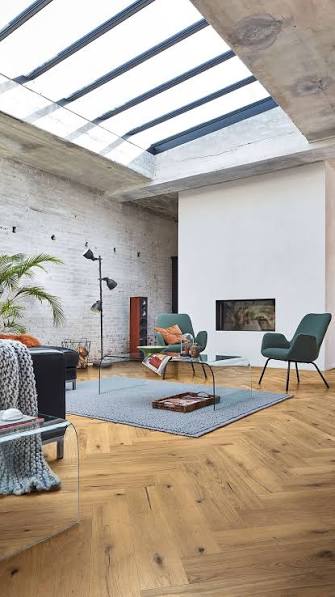
                <p>Flooring plays a major role in shaping the appearance and atmosphere of any interior. While furniture, wall colors, and decorative accessories contribute to a room's personality, the floor provides the foundation that connects every design element. Among the many flooring styles available, herringbone flooring stands out for its distinctive pattern, timeless appeal, and ability to make ordinary spaces feel more sophisticated.</p>
<p>Recognized by its repeated zigzag arrangement, this flooring style combines traditional craftsmanship with contemporary versatility. It works beautifully in classic homes, modern apartments, luxurious living rooms, and welcoming bedrooms. Whether made from natural oak, engineered wood, or other suitable flooring materials, herringbone flooring introduces movement, texture, and visual interest without relying on elaborate decoration.</p>
<p>Choosing the right material, color, pattern scale, and installation method can help you create a beautiful floor that complements your interior for years to come. Understanding these essential details will also make it easier to balance style, durability, and maintenance requirements.</p>
<figure class="post__image"><img loading="lazy"  src="https://luxury-home-touch.pages.dev/media/posts/12/images-60.jpg" alt="" width="719" height="719" sizes="(max-width: 1024px) 100vw, 1024px" srcset="https://luxury-home-touch.pages.dev/media/posts/12/responsive/images-60-xs.jpg 300w ,https://luxury-home-touch.pages.dev/media/posts/12/responsive/images-60-sm.jpg 480w ,https://luxury-home-touch.pages.dev/media/posts/12/responsive/images-60-md.jpg 768w ,https://luxury-home-touch.pages.dev/media/posts/12/responsive/images-60-lg.jpg 1024w"></figure>
<h2>1. What Makes Herringbone Flooring Unique?</h2>
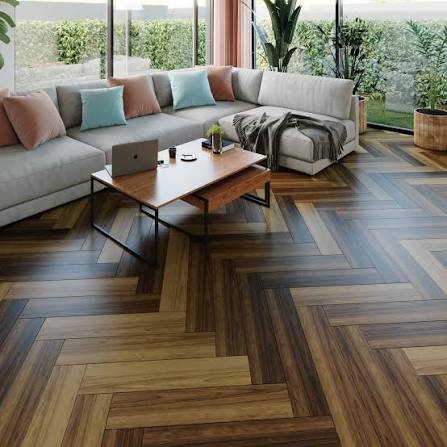
<p><a href="https://luxury-home-touch.pages.dev/italian-marble-tiles-timeless-elegance-for-beautiful-and-luxurious-interiors/">Herringbone flooring</a> is a distinctive pattern created by arranging rectangular flooring pieces in alternating directions. Each piece meets another at a right angle, forming a continuous zigzag design that resembles the bones of a herring fish.</p>
<p>Unlike straight-laid flooring, which creates parallel lines across a room, this arrangement introduces movement and texture. The repeated pattern draws the eye across the floor, helping the surface become an important decorative feature.</p>
<p>Herringbone has a long history in architectural interiors and remains popular because it adapts easily to different design styles. Traditional spaces benefit from its classic character, while contemporary interiors can use it to introduce subtle detail without sacrificing simplicity.</p>
<p>The pattern is available in a variety of materials, including solid wood, engineered wood, luxury vinyl, and selected tile products. Each material offers different benefits in terms of appearance, installation, maintenance, and resistance to moisture.</p>
<p>When choosing a product, it is important to distinguish between the visual pattern and the material itself. A herringbone design can be attractive in several flooring types, but its long-term performance depends on the specific product and the conditions in which it is installed.</p>
<h2>2. Explore the Difference Between Herringbone and Chevron Flooring</h2>
<p>Herringbone and chevron flooring are often confused because both feature repeating zigzag patterns. However, their construction and overall appearance are different.</p>
<p>Herringbone uses rectangular pieces arranged at right angles. The ends of the boards meet in a staggered pattern, creating a broken zigzag effect. This arrangement produces a textured appearance that works well in both traditional and contemporary interiors.</p>
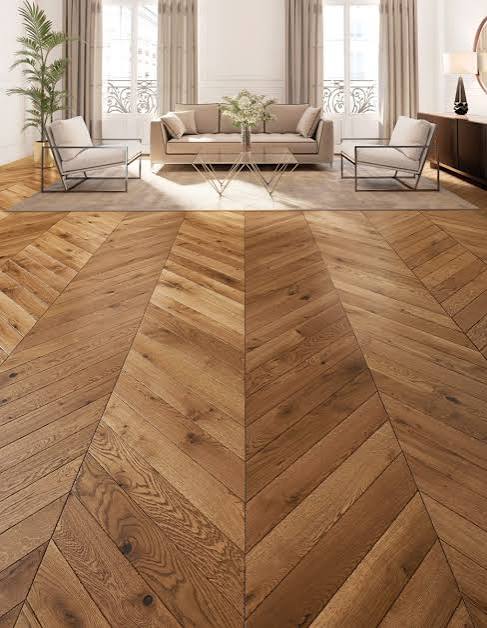
<p>Chevron flooring uses boards with angled ends that meet to form continuous V-shaped lines. Because the pieces align at their points, the pattern often appears more streamlined and symmetrical.</p>
<p>Both styles can create a sophisticated interior, but the right choice depends on the atmosphere you want to achieve.</p>
<p>Herringbone is ideal for homeowners who appreciate a classic pattern with noticeable texture and movement. Chevron may appeal to those who prefer a more continuous geometric design.</p>
<p>Before making a decision, examine samples of both patterns in the intended room. Consider the dimensions of the space, the direction of natural light, and the relationship between the floor and nearby furniture.</p>
<h2>3. Choose the Right Material for Your Flooring</h2>
<p>The material you select has a significant influence on the appearance, durability, and maintenance requirements of herringbone flooring.</p>
<p>Solid hardwood offers an authentic natural surface with distinctive grain patterns and color variations. Oak is especially popular because of its attractive texture and versatility. Solid wood may be refinished when worn, depending on its thickness, condition, and installation method. However, it is sensitive to changes in humidity and may not be suitable for every room.</p>
<p>Engineered wood features a real wood surface attached to a layered core. This construction generally provides greater dimensional stability than solid wood, making it a practical option for many interiors. Its suitability for underfloor heating and different installation methods depends on the product specifications.</p>
<p>Luxury vinyl flooring can reproduce the appearance of wood while offering practical benefits for busy households. Certain products are water-resistant or waterproof, but performance varies, so the manufacturer's specifications should always be checked.</p>
<p>Porcelain tiles can also be arranged in a herringbone pattern. They offer a durable surface suitable for many high-traffic areas, although installation requires careful alignment and appropriate grout selection.</p>
<p>Compare the material's appearance, cost, maintenance needs, and suitability for the room before purchasing. The best option is one that supports your lifestyle while delivering the desired design.</p>
<h2>4. Transform Your Living Room with Herringbone Flooring</h2>
<p>The living room is an excellent place to showcase herringbone flooring because it often serves as the main gathering space in a home. Its distinctive pattern can create a strong visual foundation without requiring excessive decoration.</p>
<p>Natural oak herringbone flooring pairs beautifully with neutral sofas, wooden furniture, and soft textiles. Light finishes can make a room feel airy and contemporary, while medium and darker tones introduce warmth and depth.</p>
<p>The direction of the pattern also influences the room's appearance. Aligning the pattern with the room's longest dimension may emphasize its length, while a carefully planned layout can help connect different areas in an open-plan space.</p>
<p>Furniture placement should complement the floor rather than conceal too much of its pattern. Area rugs can define seating arrangements while allowing the herringbone design to remain visible around the edges.</p>
<p>For a modern look, combine the flooring with simple furniture, understated wall colors, and carefully selected lighting. In more traditional interiors, decorative moldings, elegant upholstery, and classic accessories can reinforce the pattern's timeless character.</p>
<p>The goal is to create a balanced living room in which the floor contributes texture and personality without competing with other focal points.</p>
<h2>5. Create a Sophisticated Bedroom with Herringbone Flooring</h2>
<p>Herringbone flooring can bring warmth and visual interest to a bedroom while complementing a wide range of furniture styles. Because the pattern is decorative without being overly elaborate, it works particularly well in spaces designed for relaxation.</p>
<p>Light wood finishes create a calm, open atmosphere and coordinate beautifully with cream bedding, white walls, and natural fabrics. Medium oak tones provide a warmer appearance, while darker finishes can create a dramatic contrast with lighter furniture.</p>
<p>To maintain a relaxing environment, avoid introducing too many competing patterns. If the flooring features pronounced grain and color variation, choose simpler bedding and understated curtains.</p>
<p>Area rugs beside the bed can provide a softer surface underfoot and add another layer of texture. Protective pads beneath furniture legs also help reduce the risk of scratches.</p>
<p>When selecting a material for the bedroom, consider noise, comfort, and installation requirements. Underlayments compatible with the chosen flooring system may help improve acoustic comfort, depending on the product and subfloor.</p>
<p>With the right finish and complementary furnishings, herringbone flooring can make a bedroom feel elegant, comfortable, and thoughtfully designed.</p>
<h2>6. Select Colors That Complement Your Interior</h2>
<p>Color is one of the most important considerations when choosing herringbone flooring. Because the pattern already introduces visual movement, the right shade can help create harmony between the floor and the surrounding decor.</p>
<p>Light oak, pale beige, and natural blond wood finishes are suitable for bright, contemporary interiors. These colors complement white walls, neutral upholstery, and minimalist furniture.</p>
<p>Medium brown tones offer flexibility and work well with traditional and transitional styles. They create warmth while providing enough contrast to define the pattern clearly.</p>
<p>Dark brown and smoked wood finishes can introduce a sense of richness and sophistication. They are particularly effective when paired with lighter walls, warm lighting, and carefully selected decorative accessories.</p>
<p>Gray-toned flooring may suit modern interiors, especially those featuring black metal details, stone surfaces, and cool neutral colors. However, the undertones should be considered carefully to avoid a disconnected appearance.</p>
<p>When choosing a finish, examine samples under the room's actual lighting conditions. Natural daylight and artificial lighting can change how colors appear, while the furniture and wall colors may influence the overall impression.</p>
<p>A coordinated palette will allow the flooring pattern to stand out while maintaining a cohesive interior.</p>
<h2>7. Understand Installation and Layout Planning</h2>
<p>Herringbone flooring requires precise installation because the pattern depends on accurate alignment and consistent spacing. Small errors can become noticeable across the room, especially when the flooring extends through connected spaces.</p>
<p>Before installation, the subfloor must be stable, clean, and appropriately level. Moisture conditions should be assessed according to the flooring material and manufacturer's requirements.</p>
<p>The installer should also determine the centerline, starting point, and pattern direction before laying the first pieces. These decisions influence how the pattern meets walls, doorways, thresholds, and adjoining floors.</p>
<p>Herringbone layouts may generate more offcuts than straight-laid flooring, so an appropriate allowance for waste should be included when calculating material quantities. The amount depends on the room's shape, the pattern dimensions, and the installation plan.</p>
<p>Some products are designed for glue-down installation, while others use approved floating or mechanical fixing systems. The correct method depends on the flooring construction and subfloor conditions.</p>
<p>Professional installation is often worthwhile, particularly for complex layouts or premium wood products. Accurate preparation helps achieve a consistent pattern and reduces the likelihood of gaps, uneven joints, or unnecessary material waste.</p>
<h2>8. Maintain Herringbone Flooring for Long-Term Beauty</h2>
<p>Proper maintenance helps preserve the appearance and performance of herringbone flooring. The exact cleaning routine depends on the material and finish, so always follow the manufacturer's instructions.</p>
<p>For wood flooring, remove dust and loose debris regularly using a soft broom or a vacuum suitable for the surface. Grit can cause scratches when walked across the floor, particularly in high-traffic areas.</p>
<p>Clean spills promptly and avoid excessive water or steam cleaners unless the product specifically permits their use. Natural wood can react to moisture, and inappropriate cleaning methods may damage certain finishes.</p>
<p>Place suitable entrance mats near exterior doors to reduce the amount of dirt brought indoors. Furniture pads can help prevent scratches, while lifting furniture instead of dragging it reduces the risk of damage.</p>
<p>For vinyl and porcelain products, use cleaning solutions approved for the specific surface. Avoid abrasive tools that may affect the finish or grout.</p>
<p>Wood flooring also benefits from stable indoor humidity. Significant fluctuations may cause expansion, contraction, or gaps, depending on the product and installation.</p>
<p>Consistent care helps maintain the pattern's appearance and protects your flooring investment.</p>
<h2>9. Is Herringbone Flooring Worth the Investment?</h2>
<p>Herringbone flooring can cost more than straight-laid flooring because the installation process often requires additional planning, cutting, and precision. However, its distinctive appearance may justify the investment for homeowners who want a decorative floor with lasting appeal.</p>
<p>The total cost depends on the material, board dimensions, finish, room layout, subfloor preparation, and labor requirements. Solid hardwood and premium engineered wood generally have different price points from vinyl or tile alternatives.</p>
<p>When comparing quotations, consider more than the material price. Include installation, underlayment or adhesive, preparation work, finishing, and waste allowances.</p>
<p>It is also worth thinking about the long-term maintenance requirements. A natural wood floor may offer refinishing opportunities, while other materials may require different repair or replacement approaches.</p>
<p>Ultimately, the best choice is one that balances appearance, durability, budget, and the practical demands of the room.</p>
<h2>Conclusion</h2>
<p>Herringbone flooring combines a distinctive geometric pattern with timeless design appeal, making it an excellent option for a variety of interiors. Whether you choose natural oak, engineered wood, luxury vinyl, or porcelain tiles, this arrangement can introduce movement, texture, and sophistication to your home.</p>
<p>Selecting the right material, coordinating the color with your furniture, and planning the layout carefully will help you achieve a balanced and attractive result. Proper installation and regular maintenance are equally important for preserving the floor's appearance over time.</p>
<p>From elegant living rooms to comfortable bedrooms and welcoming entrance halls, herringbone flooring provides a versatile foundation for creative interior design. With thoughtful planning, it can become a lasting feature that enhances your home's character and style.</p>
            ]]>
        </content>
    </entry>
    <entry>
        <title> Timeless Elegance for Beautiful and Luxurious Interiors</title>
        <author>
            <name>Jessica B. James</name>
        </author>
        <link href="https://luxury-home-touch.pages.dev/italian-marble-tiles-timeless-elegance-for-beautiful-and-luxurious-interiors/"/>
        <id>https://luxury-home-touch.pages.dev/italian-marble-tiles-timeless-elegance-for-beautiful-and-luxurious-interiors/</id>
        <media:content url="https://luxury-home-touch.pages.dev/media/posts/11/images-58.jpg" medium="image" />
            <category term="Italian Marble Tiles"/>
            <category term="Flooring &amp; Parquet"/>

        <updated>2026-10-19T00:31:01+03:00</updated>
            <summary type="html">
                <![CDATA[
                        <img src="https://luxury-home-touch.pages.dev/media/posts/11/images-58.jpg" alt="" />
                    Flooring is one of the most important elements of interior design because&hellip;
                ]]>
            </summary>
        <content type="html">
            <![CDATA[
                    <p><img src="https://luxury-home-touch.pages.dev/media/posts/11/images-58.jpg" class="type:primaryImage" alt="" /></p>
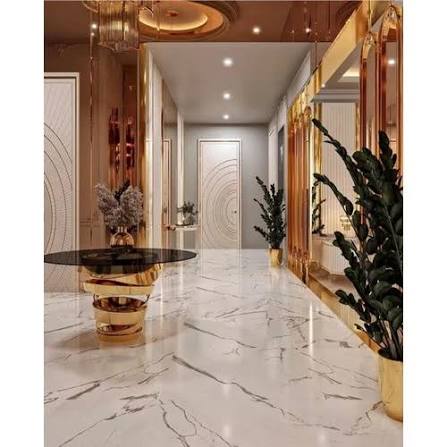
                <div><span style="font-size: inherit;">Flooring is one of the most important elements of interior design because it influences the appearance, atmosphere, and functionality of every room. Among the many premium flooring materials available, Italian marble stands out for its natural beauty, distinctive veining, and timeless appeal. From elegant living rooms to sophisticated bathrooms and impressive entrance halls, marble surfaces can transform ordinary spaces into refined interiors.</span></div>
<div>
<p>Italian marble has been admired for centuries because of its unique patterns, luxurious finishes, and ability to complement different architectural styles. Whether you prefer bright white surfaces, warm beige tones, or dramatic dark stone, there are numerous options to suit your design preferences.</p>
<p>Choosing the right Italian marble tiles involves more than selecting an attractive color. Understanding the different marble varieties, finishes, installation requirements, and maintenance practices can help you create a beautiful space that remains functional for years. With thoughtful planning, this natural stone can become a striking foundation for a classic or contemporary home.</p>
<h2>1. What Makes Italian Marble Tiles So Special?</h2>
<p><a href="https://luxury-home-touch.pages.dev/timeless-flooring-for-elegant-and-stylish-interiors/">Italian marble</a> is valued for its distinctive appearance, natural veining, and long-standing association with architectural craftsmanship. Different varieties feature unique combinations of colors, mineral patterns, and textures, meaning that no two pieces are exactly alike.</p>
<p>One of the most appealing characteristics of marble is its ability to create visual interest without relying on elaborate decorative patterns. Natural veins provide movement and depth, allowing the floor to become an elegant feature in its own right.</p>
<p>Italian marble is available in a variety of colors, including white, cream, gray, beige, and darker shades. These options make it suitable for different interior styles, from traditional homes with decorative moldings to contemporary spaces featuring clean lines and minimalist furniture.</p>
<p>Another advantage is its versatility. Marble can be used for flooring, wall cladding, staircases, countertops, and decorative architectural details. Using complementary marble finishes in selected areas can create visual continuity throughout an interior.</p>
<p>However, marble is a natural stone rather than a maintenance-free surface. It can be sensitive to acidic substances and may scratch or stain if not properly protected. Understanding these characteristics is essential when deciding whether it is the right material for your home.</p>
<figure class="post__image"><img loading="lazy"  src="https://luxury-home-touch.pages.dev/media/posts/11//images-57.jpg" alt="" width="678" height="452" sizes="(max-width: 1024px) 100vw, 1024px" srcset="https://luxury-home-touch.pages.dev/media/posts/11//responsive/images-57-xs.jpg 300w ,https://luxury-home-touch.pages.dev/media/posts/11//responsive/images-57-sm.jpg 480w ,https://luxury-home-touch.pages.dev/media/posts/11//responsive/images-57-md.jpg 768w ,https://luxury-home-touch.pages.dev/media/posts/11//responsive/images-57-lg.jpg 1024w"></figure>
<h2>2. Explore Popular Italian Marble Varieties</h2>
<p>Different marble varieties offer distinct visual effects, making it easier to select a surface that complements your preferred design style.</p>
<p>Carrara marble is known for its light gray or white background and delicate gray veining. Its understated appearance works well in contemporary interiors, elegant bathrooms, and living spaces with neutral color palettes.</p>
<p>Calacatta marble often features a brighter white background with more pronounced veining. Depending on the variety, the veins may appear in gray, gold, or warmer tones. This dramatic appearance makes it a popular option for statement floors, feature walls, and sophisticated entrance halls.</p>
<p>Statuario marble is another sought-after variety, typically recognized for its pale background and distinctive veining. Its striking appearance can complement interiors where natural stone serves as the main decorative feature.</p>
<p>Beige Italian marble offers a warmer alternative to white and gray varieties. Its creamy tones work beautifully with wooden furniture, neutral upholstery, and metallic accents.</p>
<p>Darker marble varieties can introduce contrast and depth, particularly in spacious interiors with adequate lighting.</p>
<p>When selecting marble, examine actual samples whenever possible. Natural variations in veining, shade, and mineral distribution mean that photographs may not accurately represent the final material. Reviewing multiple slabs or tiles helps ensure a consistent appearance across the completed floor.</p>
<h2>3. Enhance Living Rooms with Elegant Marble Flooring</h2>
<p>The living room is an excellent place to showcase the natural beauty of marble. Because the floor occupies a substantial visual area, its color and pattern can influence the entire design.</p>
<p>Large marble tiles can create a spacious, streamlined appearance by reducing the number of visible grout lines. Polished white or light gray marble reflects light and can help a room feel brighter, especially when paired with large windows and pale walls.</p>
<p>For a warmer atmosphere, consider beige or cream marble. These tones complement wooden furniture, textured rugs, and upholstered sofas in neutral shades.</p>
<p>Darker marble can create a sophisticated contrast in larger living rooms. When balanced with suitable lighting, lighter furniture, and restrained decorative accessories, it can produce a dramatic yet elegant result.</p>
<p>The furniture arrangement should complement the flooring rather than compete with its natural patterns. If the marble features prominent veining, simpler furniture and understated accessories may help maintain visual balance.</p>
<p>Area rugs can also define seating zones while allowing the stone to remain visible around the room. Choose rug pads that are compatible with natural stone and its finish to help prevent slipping and unwanted marks.</p>
<h2>4. Create a Luxurious Bathroom with Marble Tiles</h2>
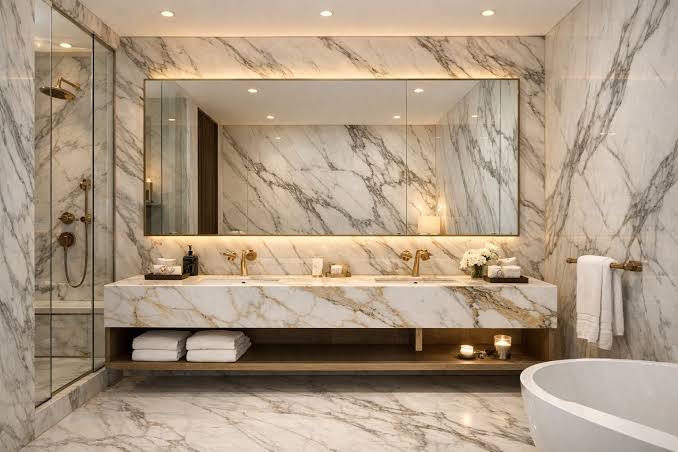
<p>Marble can bring a spa-inspired atmosphere to bathrooms, combining natural patterns with a refined appearance. It can be used on floors, walls, shower surrounds, and selected decorative surfaces to create a coordinated design.</p>
<p>White marble with delicate gray veining is a popular choice for bright, elegant bathrooms. Pairing it with glass shower screens, simple mirrors, and understated fixtures creates a clean and sophisticated environment.</p>
<p>Beige marble offers a warmer aesthetic, particularly when combined with brushed-brass fittings and natural wood cabinetry. Darker marble can create a dramatic feature, although sufficient lighting is important to prevent the room from feeling enclosed.</p>
<p>Bathroom safety must be considered when selecting marble. Highly polished surfaces can become slippery when wet, making them unsuitable for some shower floors and other wet areas. A finish with appropriate slip resistance is generally preferable in locations where water regularly reaches the floor.</p>
<p>Marble also requires careful sealing and maintenance. Water, soaps, cosmetics, and cleaning products may affect the stone or its finish. Use products specifically recommended for natural marble and address spills promptly.</p>
<p>With suitable material selection and installation, marble can create an elegant bathroom that balances visual appeal with everyday practicality.</p>
<h2>5. Choose the Right Marble Finish</h2>
<p>The finish of Italian marble influences its appearance, maintenance needs, and suitability for different rooms. Selecting the right finish is just as important as choosing the color and variety.</p>
<p>Polished marble features a glossy surface that enhances the depth of the stone's colors and veining. It reflects light beautifully and is often chosen for formal living rooms, entrance halls, and decorative walls. However, scratches, etching, and certain marks may be more noticeable on polished surfaces.</p>
<p>Honed marble has a smooth, matte or low-sheen appearance. Its understated finish suits contemporary interiors and can make surface imperfections less visually prominent. Nevertheless, honed marble is still porous and may require sealing and careful maintenance.</p>
<p>Brushed or textured finishes provide additional surface character and may offer better traction than highly polished marble, depending on the specific product. These finishes can work well in selected entrance areas and other spaces where a less reflective appearance is desired.</p>
<p>Before selecting a finish, consider the room's purpose, expected foot traffic, exposure to moisture, and cleaning requirements. Ask the supplier for information about the specific product's performance rather than assuming every marble finish behaves the same way.</p>
<h2>6. Coordinate Marble Tiles with Interior Colors</h2>
<p>Italian marble can complement a wide range of colors and materials, but a carefully coordinated palette helps create a harmonious interior.</p>
<p>White and light gray marble pair beautifully with soft white walls, silver accents, and contemporary furniture. These combinations create a bright appearance that suits modern apartments and spacious living rooms.</p>
<p>Cream and beige marble work well with warm neutrals, natural wood, bronze accessories, and textured fabrics. This palette creates a welcoming atmosphere without sacrificing elegance.</p>
<p>For a more dramatic design, dark marble can be paired with lighter walls, contrasting furniture, and carefully positioned lighting. Metallic details in gold or brass may introduce warmth and emphasize the stone's natural patterns.</p>
<p>It is also important to consider the relationship between marble and other flooring materials. In open-plan homes, transitions between marble, wood, and other surfaces should be planned carefully to maintain a consistent visual flow.</p>
<p>Avoid introducing too many competing patterns. When the marble has bold veining, simpler wall finishes and furniture can allow the natural stone to remain the focal point.</p>
<h2>7. Understand Installation and Maintenance Requirements</h2>
<p>Proper installation is essential for achieving a durable and attractive marble floor. Natural stone tiles require careful handling, accurate alignment, and a suitable supporting surface.</p>
<p>The subfloor should be stable, clean, and appropriately level. The installer must select setting materials compatible with the marble type and installation conditions. Some light-colored or moisture-sensitive stones may require specific adhesives to reduce the risk of discoloration.</p>
<p>Tile thickness, dimensions, grout selection, and the intended layout should also be considered before installation begins. Large-format tiles and elaborate patterns may require additional preparation and specialist expertise.</p>
<p>Sealing is another important consideration. Many marble surfaces benefit from an appropriate penetrating sealer, although sealing does not make the stone completely stain-proof. The correct product and maintenance schedule depend on the marble, its finish, and the manufacturer's recommendations.</p>
<p>For everyday cleaning, use a soft mop or cloth and a pH-neutral cleaner designed for natural stone. Avoid vinegar, lemon-based products, abrasive powders, and other acidic cleaners because they can etch marble surfaces.</p>
<p>Wipe spills promptly, especially acidic liquids such as citrus juice and wine. Entrance mats can help reduce grit, while suitable furniture pads may prevent scratches.</p>
<p>Regular care helps preserve the stone's natural appearance and reduces the need for more extensive restoration.</p>
<h2>8. Is Italian Marble Worth the Investment?</h2>
<p>Italian marble can be a premium flooring choice, but its overall value depends on the stone variety, grade, dimensions, finish, installation requirements, and maintenance expectations.</p>
<p>Some varieties are considerably more expensive than others, especially when they feature rare colors, dramatic veining, or carefully selected patterns. Installation costs may also increase when the design requires large-format tiles, intricate layouts, or substantial subfloor preparation.</p>
<p>When comparing quotations, consider the complete project rather than the price per tile alone. Include delivery, installation materials, labor, sealing, waste allowances, and any necessary substrate preparation.</p>
<p>It is also worth considering how the space will be used. Marble may be an excellent choice for formal living areas and decorative entrance halls, while busy kitchens or frequently wet spaces may require more careful material and finish selection.</p>
<p>For homeowners who appreciate natural stone and are prepared to maintain it appropriately, Italian marble can provide lasting visual appeal. The best investment is a variety that suits both your design goals and your everyday needs.</p>
<h2>Conclusion</h2>
<p>Italian marble tiles offer a beautiful combination of natural character, sophisticated appearance, and architectural versatility. From delicate white Carrara marble to dramatic Calacatta designs and warm beige varieties, there are options to complement almost any interior style.</p>
<p>Choosing the right marble involves considering its color, veining, finish, room placement, and maintenance requirements. Professional installation, suitable sealing, and careful cleaning can help preserve the stone's appearance and performance over time.</p>
<p>Whether you want to create an elegant living room, a spa-inspired bathroom, or an impressive entrance hall, Italian marble can provide a distinctive foundation for your interior design. With thoughtful planning, this natural material can bring enduring beauty and refinement to your home.</p>
</div>
            ]]>
        </content>
    </entry>
    <entry>
        <title> Timeless Flooring for Elegant and Stylish Interiors</title>
        <author>
            <name>Jessica B. James</name>
        </author>
        <link href="https://luxury-home-touch.pages.dev/timeless-flooring-for-elegant-and-stylish-interiors/"/>
        <id>https://luxury-home-touch.pages.dev/timeless-flooring-for-elegant-and-stylish-interiors/</id>
        <media:content url="https://luxury-home-touch.pages.dev/media/posts/10/images-56.jpg" medium="image" />
            <category term="Solid Oak Parquet"/>
            <category term="Flooring &amp; Parquet"/>

        <updated>2026-10-19T00:27:40+03:00</updated>
            <summary type="html">
                <![CDATA[
                        <img src="https://luxury-home-touch.pages.dev/media/posts/10/images-56.jpg" alt="" />
                    Flooring plays an essential role in defining the character, comfort, and appearance&hellip;
                ]]>
            </summary>
        <content type="html">
            <![CDATA[
                    <p><img src="https://luxury-home-touch.pages.dev/media/posts/10/images-56.jpg" class="type:primaryImage" alt="" /></p>
                <div><span style="font-size: inherit;">Flooring plays an essential role in defining the character, comfort, and appearance of any interior. While furniture, wall colors, and decorative accessories attract attention, the floor provides the foundation that brings every design element together. Among the many flooring options available, solid oak parquet remains a popular choice for homeowners who appreciate natural beauty, durability, and timeless sophistication.</span></div>
<div>
<p>With its distinctive wood grain, warm tones, and attractive patterns, solid oak parquet can transform ordinary rooms into inviting and visually impressive spaces. It works beautifully in traditional homes, contemporary apartments, and luxurious interiors, offering a versatile foundation for different decorating styles.</p>
<p>Beyond its appearance, oak is valued for its strength and long-term performance when properly installed and maintained. Understanding the available parquet patterns, finishes, installation methods, and care requirements can help you choose flooring that suits your lifestyle and enhances your home's overall design.</p>
<p> </p>
<figure class="post__image"><img loading="lazy"  src="https://luxury-home-touch.pages.dev/media/posts/10//images-55.jpg" alt="" width="732" height="677" sizes="(max-width: 1024px) 100vw, 1024px" srcset="https://luxury-home-touch.pages.dev/media/posts/10//responsive/images-55-xs.jpg 300w ,https://luxury-home-touch.pages.dev/media/posts/10//responsive/images-55-sm.jpg 480w ,https://luxury-home-touch.pages.dev/media/posts/10//responsive/images-55-md.jpg 768w ,https://luxury-home-touch.pages.dev/media/posts/10//responsive/images-55-lg.jpg 1024w"></figure>
<h2>1. What Makes Solid Oak Parquet a Timeless Flooring Choice?</h2>
<p>Solid oak parquet is made from individual pieces of natural oak arranged in decorative patterns. Unlike engineered wood flooring, which combines a real wood surface with a layered core, solid oak parquet consists of oak throughout the thickness of each flooring piece.</p>
<p>This construction gives the material its authentic appearance and allows suitable floors to be sanded and refinished when the surface becomes worn. The number of times refinishing is possible depends on the thickness of the wood, the installation method, and the condition of the flooring.</p>
<p>Oak is especially appreciated for its attractive grain patterns, natural color variations, and ability to complement different interior styles. Depending on the selected finish, it can appear pale and understated or rich and traditional.</p>
<p>Another advantage is its versatility. Solid oak parquet can be installed in living rooms, dining areas, bedrooms, and selected hallways, provided the subfloor and environmental conditions are suitable.</p>
<p>Because natural wood responds to changes in temperature and humidity, proper installation and indoor climate management are important. When these factors are addressed, solid oak parquet can provide a beautiful and long-lasting flooring solution.</p>
<h2>2. Explore Popular Solid Oak Parquet Patterns</h2>
<p>One of the most appealing features of parquet flooring is the variety of patterns available. The arrangement of individual wood pieces can dramatically influence how a room looks and feels.</p>
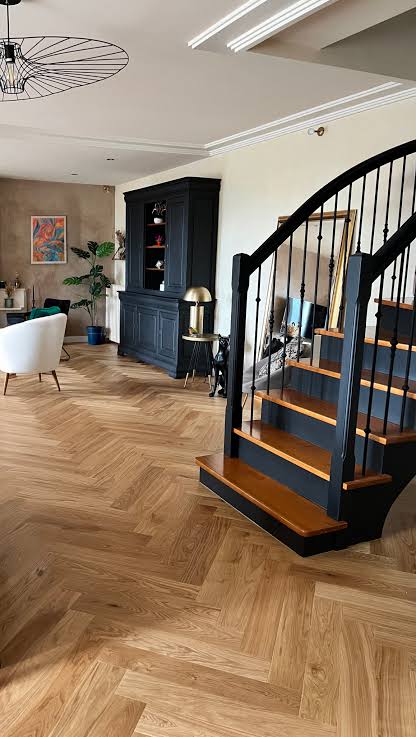
<p>Herringbone is among the most recognizable patterns. It features rectangular blocks arranged at right angles, creating a distinctive zigzag effect. This design adds movement and visual interest without appearing overly decorative. It works particularly well in living rooms, dining areas, and elegant entrance halls.</p>
<p>Chevron parquet offers a similar sense of movement, but the ends of the boards are cut at matching angles to create continuous V-shaped lines. This produces a more streamlined and symmetrical appearance that suits both contemporary and classic interiors.</p>
<p>Basketweave patterns create a decorative woven effect by arranging groups of wood pieces in alternating directions. They can add traditional character to rooms with classic furniture and architectural details.</p>
<p>Straight-laid parquet provides a simpler alternative. Although less intricate, it highlights the natural grain of the oak and can help create a clean, understated interior.</p>
<p>When choosing a pattern, consider the room's dimensions, natural light, furniture arrangement, and overall design style. A bold pattern may become the centerpiece of a spacious room, while a simpler layout may be more suitable for compact interiors.</p>
<h2>3. Choose the Right Oak Color and Finish</h2>
<p>The color and finish of solid oak parquet influence the atmosphere of a room as much as the pattern itself. Selecting the right combination can help create an interior that feels bright, warm, sophisticated, or dramatic.</p>
<p>Light oak finishes are popular in contemporary interiors because they create an airy appearance and complement neutral walls, minimalist furniture, and natural fabrics. Pale oak can also work beautifully in Scandinavian-inspired spaces, where simplicity and natural materials are important.</p>
<p>Medium oak tones offer a balanced look that suits many decorating styles. Their warmth complements beige upholstery, cream walls, and a variety of wood furniture finishes.</p>
<p>Dark oak flooring creates a richer and more dramatic atmosphere. It can provide an elegant contrast against light walls and carefully selected decorative accessories. However, darker floors may show dust and certain surface marks more readily, depending on the finish.</p>
<p>Surface treatments also influence the final appearance. Matte finishes emphasize the natural character of the wood and create a relaxed, contemporary effect. Satin finishes provide a subtle sheen, while glossier surfaces produce a more reflective appearance.</p>
<p>Oil finishes can enhance the grain and create a natural-looking surface, but they may require periodic maintenance. Lacquered finishes offer a protective surface that can be easier to clean, although repairs may require more localized or extensive refinishing.</p>
<p>Always examine flooring samples in your own home, since natural and artificial lighting can change how the color appears.</p>
<h2>4. Enhance Living Rooms with Natural Oak Flooring</h2>
<p>The living room is an excellent place to showcase solid oak parquet. Because it often serves as the central gathering space, its flooring should combine visual appeal with everyday practicality.</p>
<p>A herringbone or chevron pattern can create a distinctive foundation for a formal living room, especially when paired with elegant sofas, decorative lighting, and coordinated textiles. Straight-laid oak boards may suit a more relaxed or contemporary arrangement.</p>
<p>Natural wood tones also help balance different materials. Oak flooring can complement upholstered furniture, metal accents, glass tables, and stone surfaces without making the room feel visually disconnected.</p>
<p>Area rugs can be used to define seating zones while allowing the parquet pattern to remain visible around the edges. In open-plan interiors, changes in rug placement and furniture arrangement can help distinguish the living area from adjoining dining or kitchen spaces.</p>
<p>Consider the amount of natural light entering the room when choosing a finish. Lighter oak may help a dim space feel brighter, while medium tones can introduce warmth into rooms with large windows.</p>
<p>For a cohesive result, coordinate the flooring with the room's overall color palette rather than attempting to match every wooden item exactly. A thoughtful contrast between the floor and furniture often produces a more interesting design.</p>
<h2>5. Create a Sophisticated Bedroom with Oak Parquet</h2>
<p>Solid oak parquet can bring warmth and natural character to a bedroom. Its textured grain provides visual interest, while its range of colors makes it easy to coordinate with different bedding, furniture, and wall treatments.</p>
<p>Light oak flooring pairs beautifully with white bedding, soft beige curtains, and neutral upholstered headboards. This combination creates a calm atmosphere that suits contemporary and minimalist bedrooms.</p>
<p>Medium oak finishes work well with muted greens, warm grays, and natural linen fabrics. For a more dramatic design, dark oak can complement cream upholstery, metallic bedside accessories, and carefully placed decorative lighting.</p>
<p>The parquet pattern can also influence the bedroom's appearance. Herringbone flooring adds a traditional yet refined quality, while straight-laid boards create a quieter visual effect.</p>
<p>Comfort is another important consideration. Area rugs beside the bed can provide a softer surface underfoot and introduce additional texture. Felt pads beneath furniture legs help reduce the risk of scratches when beds, chairs, or bedside tables are moved.</p>
<p>Although solid oak is durable, it is not completely resistant to moisture or impact. Avoid leaving spills unattended, and maintain stable indoor humidity to reduce the risk of gaps, movement, or surface damage.</p>
<h2>6. Understand Installation and Subfloor Preparation</h2>
<p>Proper installation is essential for achieving a stable and attractive parquet floor. Even high-quality oak may develop problems if the subfloor is unsuitable or environmental conditions are ignored.</p>
<p>Before installation, the subfloor should be clean, structurally sound, and sufficiently level. Moisture levels must be checked, particularly when flooring is installed over concrete or in buildings where moisture may rise from below.</p>
<p>Solid oak parquet usually requires more careful moisture management than many alternative flooring products because natural wood expands and contracts as humidity changes. Following the manufacturer's installation requirements helps reduce the risk of cupping, gaps, and other movement-related issues.</p>
<p>The flooring should also be allowed to acclimate according to the manufacturer's instructions and the conditions of the installation site. Acclimation requirements vary by product and installation method, so there is no single waiting period suitable for every project.</p>
<p>Depending on the product, solid oak parquet may be installed using adhesive or another approved fixing method. The correct approach depends on the subfloor, parquet dimensions, building conditions, and manufacturer's recommendations.</p>
<p>Professional installation is particularly valuable for complex patterns such as herringbone and chevron, where accurate measurements and alignment are necessary to achieve a consistent result.</p>
<h2>7. Maintain Solid Oak Parquet for Long-Term Beauty</h2>
<p>Regular care helps preserve the appearance and performance of solid oak parquet. Although oak is a durable hardwood, its surface can still be affected by dirt, moisture, scratches, and unsuitable cleaning products.</p>
<p>Begin by removing dust and loose debris with a soft-bristle broom or a vacuum cleaner suitable for wood flooring. Fine particles can act like abrasive material when walked across the surface, gradually affecting the finish.</p>
<p>Clean spills promptly using a suitable cloth. Avoid excessive water, steam cleaners, and harsh chemicals unless the flooring manufacturer specifically approves them. Excess moisture can penetrate joints and contribute to swelling or finish damage.</p>
<p>Place protective pads beneath furniture legs and use suitable entrance mats to reduce the amount of grit tracked indoors. In areas with heavy foot traffic, these small precautions can help preserve the floor's appearance.</p>
<p>Maintaining stable indoor humidity is also important. Very dry conditions can contribute to gaps, while excessive humidity may cause the wood to expand.</p>
<p>Over time, some solid oak parquet floors can be sanded and refinished to refresh their appearance. The suitability of this process depends on the remaining wood thickness, existing finish, and overall condition. Professional assessment can help determine the most appropriate maintenance approach.</p>
<h2>8. Is Solid Oak Parquet Worth the Investment?</h2>
<p>Solid oak parquet can represent a significant initial investment compared with some laminate, vinyl, or engineered flooring products. However, its natural material, distinctive appearance, and potential for refinishing may make it attractive to homeowners seeking a long-term flooring solution.</p>
<p>The overall cost depends on the oak grade, board dimensions, pattern, finish, installation complexity, subfloor preparation, and local labor rates. Intricate layouts generally require more precise work and may generate additional installation costs.</p>
<p>It is also important to consider maintenance expenses. Some finishes require more regular care than others, while repairs may involve refinishing or replacing individual pieces, depending on the damage and installation method.</p>
<p>Before purchasing, request detailed quotations that include materials, installation, subfloor preparation, finishing, and any necessary moisture protection. Comparing the complete project cost provides a more realistic picture than considering the price per square meter alone.</p>
<p>The best choice is flooring that suits your budget, interior style, and willingness to maintain natural wood over time.</p>
<h2>Conclusion</h2>
<p>Solid oak parquet combines natural beauty, decorative versatility, and lasting appeal, making it an excellent flooring option for a wide range of interiors. From elegant herringbone patterns to understated straight-laid designs, it offers numerous ways to enhance living rooms, bedrooms, and other suitable spaces.</p>
<p>Choosing the right color, finish, and pattern helps create a cohesive design, while careful installation and regular maintenance protect the flooring's performance. Because solid wood responds to moisture and temperature changes, proper subfloor preparation and stable indoor conditions are essential for long-term results.</p>
<p>Ultimately, the value of solid oak parquet lies in its ability to bring authentic wood character and timeless style into your home. With thoughtful planning and appropriate care, it can remain an attractive foundation for your interior design for many years.</p>
</div>
            ]]>
        </content>
    </entry>
    <entry>
        <title>Stylish Lighting Ideas to Transform Your Interior</title>
        <author>
            <name>Jessica B. James</name>
        </author>
        <link href="https://luxury-home-touch.pages.dev/statement-wall-sconces-stylish-lighting-ideas-to-transform-your-interior/"/>
        <id>https://luxury-home-touch.pages.dev/statement-wall-sconces-stylish-lighting-ideas-to-transform-your-interior/</id>
        <media:content url="https://luxury-home-touch.pages.dev/media/posts/9/images-53.jpg" medium="image" />
            <category term="Statement Wall Sconces"/>
            <category term="Hidden Lighting &amp; Chandeliers"/>

        <updated>2026-10-19T00:21:54+03:00</updated>
            <summary type="html">
                <![CDATA[
                        <img src="https://luxury-home-touch.pages.dev/media/posts/9/images-53.jpg" alt="" />
                    Lighting is one of the most influential elements in interior design. It&hellip;
                ]]>
            </summary>
        <content type="html">
            <![CDATA[
                    <p><img src="https://luxury-home-touch.pages.dev/media/posts/9/images-53.jpg" class="type:primaryImage" alt="" /></p>
                <div>
<p>Lighting is one of the most influential elements in interior design. It shapes the atmosphere of a room, highlights architectural features, and adds character to even the simplest spaces. While ceiling lights and chandeliers often attract the most attention, wall lighting offers an equally creative way to enhance your home's appearance. Statement wall sconces combine practical illumination with distinctive design, making them an excellent choice for homeowners who want to create elegant and memorable interiors.</p>
<p>From sculptural <a href="https://luxury-home-touch.pages.dev/timeless-elegance-for-luxurious-interior-design/">modern fixtures</a> to decorative traditional designs, wall sconces can introduce personality while providing comfortable, layered lighting. They work beautifully in living rooms, bedrooms, hallways, dining areas, and entrance spaces. When selected carefully, these fixtures can complement furniture, emphasize textures, and create a balanced relationship between light and shadow.</p>
<p>Whether you prefer contemporary minimalism or timeless sophistication, statement wall sconces offer a versatile solution for transforming your interior without taking up valuable floor space.</p>
<figure class="post__image"><img loading="lazy"  src="https://luxury-home-touch.pages.dev/media/posts/9/images-54.jpg" alt="" width="678" height="452" sizes="(max-width: 1024px) 100vw, 1024px" srcset="https://luxury-home-touch.pages.dev/media/posts/9/responsive/images-54-xs.jpg 300w ,https://luxury-home-touch.pages.dev/media/posts/9/responsive/images-54-sm.jpg 480w ,https://luxury-home-touch.pages.dev/media/posts/9/responsive/images-54-md.jpg 768w ,https://luxury-home-touch.pages.dev/media/posts/9/responsive/images-54-lg.jpg 1024w"></figure>
<p> </p>
<h2>1. What Makes Statement Wall Sconces Special?</h2>
<p>Statement wall sconces are decorative wall-mounted lighting fixtures designed to provide illumination while serving as visual features. Unlike basic wall lights that blend quietly into the background, statement designs often attract attention through their shapes, materials, finishes, or lighting effects.</p>
<p>Some fixtures feature sculptural silhouettes that resemble works of art. Others combine glass shades, metallic finishes, natural stone, or intricate geometric details to create an elegant focal point.</p>
<p>Their versatility makes them suitable for a wide range of interior styles. A brass sconce with a curved arm may complement a classic living room, while a minimalist black fixture can enhance a contemporary space. Frosted glass designs provide a softer appearance, and sculptural fixtures can introduce an artistic touch to otherwise simple walls.</p>
<p>Wall sconces also contribute to layered lighting. They can illuminate specific areas, create a welcoming atmosphere, and reduce reliance on a single overhead light source.</p>
<p>The most successful designs combine attractive appearance with suitable brightness, comfortable light distribution, and a finish that complements the surrounding decor.</p>
<h2>2. Elevate Your Living Room with Decorative Wall Lighting</h2>
<p>The living room is an ideal place to introduce statement wall sconces because it often serves as the main gathering space in the home. Well-positioned fixtures can highlight architectural details, complement furniture arrangements, and create a warm atmosphere for relaxation or entertaining guests.</p>
<p>Consider placing wall sconces on either side of a fireplace, a large mirror, or a decorative artwork. This symmetrical arrangement creates a balanced appearance and draws attention to the central feature.</p>
<p>For contemporary interiors, choose fixtures with clean lines, rounded forms, or understated metallic finishes. In traditional living rooms, decorative brass sconces, crystal details, and fabric shades can reinforce a more classic atmosphere.</p>
<p>Wall sconces can also work beside a sofa or within a reading corner. Adjustable fixtures are especially useful when focused light is needed for reading or other activities.</p>
<p>To achieve a cohesive look, coordinate the sconces with selected finishes elsewhere in the room. For example, a brushed-brass fixture can complement a coffee table base or decorative mirror frame without requiring every metallic detail to match.</p>
<p>Combining wall sconces with floor lamps, table lamps, and recessed lighting creates a flexible lighting scheme that adapts to different occasions.</p>
<h2>3. Create a Relaxing Bedroom with Statement Wall Sconces</h2>
<p>Bedroom lighting should support comfort while providing enough illumination for everyday tasks. Statement wall sconces offer an attractive alternative to traditional bedside lamps, especially when space on nightstands is limited.</p>
<p>Installing a sconce on each side of the bed creates symmetry and gives the room a polished appearance. This arrangement works particularly well with upholstered headboards, decorative wall panels, and coordinated bedside furniture.</p>
<p>For a relaxing atmosphere, choose warm white bulbs, typically around 2700K to 3000K. This color temperature produces a softer glow that suits evening relaxation.</p>
<p>Adjustable wall sconces are useful for reading because they allow light to be directed toward a book without illuminating the entire room. Fixtures with shades or diffusers can also help reduce glare when positioned correctly.</p>
<p>The height of each sconce should relate to the bed, headboard, and intended use. If the fixture is primarily decorative, its placement may differ from that of a reading light. Before installation, consider where you will sit or lie down to ensure that the light source remains comfortable to view.</p>
<p>For a sophisticated finish, coordinate the sconces with bedside accessories, curtains, and other decorative details while allowing the fixtures to retain their individual character.</p>
<h2>4. Make Hallways and Entrance Areas More Inviting</h2>
<p>Hallways and entrance areas are sometimes overlooked during decorating, even though they strongly influence the overall impression of a home. Statement wall sconces can make these transitional spaces feel more welcoming while adding visual interest to otherwise plain walls.</p>
<p>In a long hallway, a series of evenly spaced fixtures can create rhythm and guide movement through the space. Choose designs that provide sufficient illumination without protruding too far into narrow walkways.</p>
<p>For entrance halls, decorative sconces can complement a console table, mirror, or artwork. Pairing wall lighting with a pendant or chandelier creates layered illumination and helps establish a welcoming atmosphere.</p>
<p>The fixture style should reflect the surrounding architecture. Simple geometric sconces may suit modern interiors, while traditional fixtures with warm metallic finishes can complement decorative moldings and classic furniture.</p>
<p>Light distribution is particularly important in hallways. Fixtures that cast light both upward and downward can create attractive patterns across the walls, while diffused shades provide softer general illumination.</p>
<p>For practical results, ensure that fixtures are positioned at consistent heights and do not interfere with doors, artwork, or everyday movement.</p>
<h2>5. Highlight Artwork and Architectural Features</h2>
<p>Statement wall sconces can do more than illuminate a room. They can also emphasize selected architectural details and decorative features, helping create a more intentional interior design.</p>
<p>Placing sconces near wall panels, textured finishes, or decorative moldings can highlight their shapes and introduce depth through light and shadow. This technique works particularly well in rooms where architectural details would otherwise appear flat.</p>
<p>Wall lighting can also complement artwork. Decorative sconces placed beside a painting or framed print can create a balanced arrangement, provided that the light does not produce distracting reflections or expose delicate artwork to unsuitable light levels.</p>
<p>For a gallery-inspired look, consider fixtures with directional lighting that can be adjusted to illuminate specific areas. However, artwork with light-sensitive materials may require specialized lighting recommendations to prevent fading or damage.</p>
<p>In contemporary interiors, sculptural wall sconces can function as art in their own right. Their forms become part of the overall composition, even when the lights are switched off.</p>
<p>The key is to identify the feature you want to emphasize before choosing the fixture. This ensures that the lighting enhances the room instead of creating unnecessary visual competition.</p>
<h2>6. Choose the Right Materials, Finishes, and Shapes</h2>
<p>The materials and finishes of statement wall sconces have a significant influence on the room's overall appearance. Choosing a design that complements existing furniture and decorative elements helps maintain visual harmony.</p>
<p>Brass and gold finishes introduce warmth and sophistication. They work well with neutral walls, wooden furniture, and luxurious textiles. Black metal offers a more dramatic appearance and can create contrast in minimalist or industrial-inspired interiors.</p>
<p>Chrome and polished nickel provide a crisp, contemporary finish, while bronze can add depth to traditional and transitional spaces.</p>
<p>Glass is another versatile material. Clear glass creates a light, open appearance, while frosted or opal glass diffuses illumination for a softer effect. Natural stone and ceramic sconces can introduce texture and an artisanal quality.</p>
<p>Shape is equally important. Linear fixtures complement modern architectural details, while curved silhouettes soften interiors dominated by straight lines. Geometric designs add a contemporary statement, whereas traditional candle-style sconces create a timeless appearance.</p>
<p>Rather than matching every fixture exactly, choose a consistent design theme. Repeating one or two finishes throughout the room is often enough to create a coordinated result.</p>
<h2>7. Understand Lighting Color and Brightness</h2>
<p>A beautiful wall sconce must also provide suitable illumination. The right brightness and color temperature depend on the room's purpose, the fixture's design, and the amount of existing light.</p>
<p>Warm white lighting is generally appropriate for bedrooms, living rooms, and entrance areas because it creates a comfortable atmosphere. Neutral white lighting can be useful in functional spaces where a clearer, brighter appearance is preferred.</p>
<p>The fixture's shade and direction also affect how light spreads. Upward-facing sconces emphasize ceiling height, while downward-facing designs can illuminate furniture, flooring, or selected wall areas. Fixtures that distribute light in both directions often create attractive decorative effects.</p>
<p>Consider using dimmable bulbs or compatible dimming systems when flexibility is important. This allows you to adjust the atmosphere for relaxing, entertaining, or completing everyday activities.</p>
<p>Before purchasing, check the bulb type, maximum wattage, brightness, and compatibility with the fixture. Integrated LED sconces should be evaluated for light output, color rendering, and whether the light source can be replaced or serviced.</p>
<p>Thoughtful lighting choices help ensure that statement sconces are as functional as they are attractive.</p>
<h2>8. Avoid Common Wall Sconce Design Mistakes</h2>
<p>Although statement wall sconces can enhance many interiors, poor placement or inappropriate sizing can reduce their impact.</p>
<p>One common mistake is choosing fixtures that are too large for a narrow hallway or too small for an expansive wall. Consider the wall dimensions, furniture placement, and viewing distance before making a selection.</p>
<p>Another issue is installing sconces at inconsistent heights. Unless an asymmetrical arrangement is intentional, aligning fixtures carefully creates a more professional appearance.</p>
<p>Glare should also be considered. Exposed bulbs or overly bright fixtures may become uncomfortable, particularly when positioned near eye level. Diffusers, shades, and appropriate bulb choices can help improve visual comfort.</p>
<p>Finally, avoid using wall sconces as the only light source in rooms that require broader illumination. Combining them with overhead lighting and other fixtures creates a more balanced and practical environment.</p>
<p>Electrical installation should follow local requirements, and fixtures in damp locations must be rated for the conditions in which they will be used. When new wiring or complex installation is required, consult a qualified electrician.</p>
<h2>Conclusion</h2>
<p>Statement wall sconces offer an effective way to combine decorative style with practical illumination. Whether placed beside a bed, along a hallway, near a fireplace, or around a striking piece of artwork, they can add depth, character, and sophistication to your home.</p>
<p>By choosing suitable materials, coordinating finishes, selecting comfortable light levels, and positioning fixtures thoughtfully, you can create a lighting scheme that complements your interior design. Layering wall sconces with chandeliers, recessed lighting, and decorative lamps further enhances flexibility and atmosphere.</p>
<p>Ultimately, the best statement wall sconces are those that reflect your personal style while meeting the practical needs of each room. With careful selection and placement, these distinctive fixtures can transform ordinary walls into beautiful design features that remain appealing for years to come.</p>
</div>
<div>
<div> </div>
</div>
            ]]>
        </content>
    </entry>
    <entry>
        <title> Timeless Elegance for Luxurious Interior Design</title>
        <author>
            <name>Jessica B. James</name>
        </author>
        <link href="https://luxury-home-touch.pages.dev/timeless-elegance-for-luxurious-interior-design/"/>
        <id>https://luxury-home-touch.pages.dev/timeless-elegance-for-luxurious-interior-design/</id>
        <media:content url="https://luxury-home-touch.pages.dev/media/posts/8/images-51.jpg" medium="image" />
            <category term="Hidden Lighting &amp; Chandeliers"/>
            <category term="Crystal Chandeliers"/>

        <updated>2026-10-19T00:18:43+03:00</updated>
            <summary type="html">
                <![CDATA[
                        <img src="https://luxury-home-touch.pages.dev/media/posts/8/images-51.jpg" alt="" />
                    Crystal chandeliers have long been associated with elegance, sophistication, and timeless beauty.
                ]]>
            </summary>
        <content type="html">
            <![CDATA[
                    <p><img src="https://luxury-home-touch.pages.dev/media/posts/8/images-51.jpg" class="type:primaryImage" alt="" /></p>
                <p>Crystal chandeliers have long been associated with elegance, sophistication, and timeless beauty. Their sparkling surfaces, graceful silhouettes, and ability to reflect light make them more than simple lighting fixtures. They serve as decorative focal points that can transform ordinary rooms into extraordinary living spaces. Whether displayed in a grand entrance hall, a formal dining room, or a contemporary living area, a carefully selected crystal chandelier adds character and creates an unforgettable visual impression.</p>
<p>Modern interior design offers countless ways to incorporate these elegant fixtures into different decorating styles. Traditional crystal designs bring classic charm, while contemporary interpretations introduce clean lines and artistic shapes. Understanding how to choose the right size, style, placement, and lighting can help you create a balanced interior that combines visual appeal with everyday functionality.</p>
<p>If you want to elevate your home's atmosphere, crystal chandeliers offer a versatile solution that blends decorative beauty with practical illumination.</p>
<h2>1. Why Crystal Chandeliers Remain a Timeless Choice</h2>
<p>Crystal chandeliers continue to appeal to homeowners because they combine decorative craftsmanship with beautiful lighting effects. Their faceted surfaces reflect and refract light, creating sparkling highlights that add depth and visual interest to a room.</p>
<p>Unlike ordinary ceiling fixtures, crystal chandeliers often become the centerpiece of an interior. Their presence can establish a particular mood, whether you prefer traditional sophistication, contemporary glamour, or understated elegance.</p>
<p>Another advantage is their versatility. Clear crystal works beautifully with neutral color palettes, marble surfaces, metallic finishes, and richly textured fabrics. Depending on the frame design and crystal arrangement, the same general lighting category can complement both classic and modern interiors.</p>
<p>Crystal chandeliers are also available in different sizes, making them suitable for various spaces. A large multi-tiered design can enhance a spacious entrance hall, while a smaller fixture can introduce elegance to a bedroom or compact dining area.</p>
<p>The secret to choosing successfully is selecting a chandelier that complements the room's architecture instead of competing with its other decorative features.</p>
<h2>2. Explore Different Crystal Chandelier Styles</h2>
<p>Choosing a suitable chandelier begins with understanding the available styles. Each design creates a different visual effect, so your choice should reflect the character of the room.</p>
<p>Traditional crystal chandeliers often feature curved metal arms, candle-style lights, decorative details, and multiple tiers of crystal drops. These designs complement classic interiors with ornate moldings, elegant furniture, and symmetrical arrangements.</p>
<p>Contemporary crystal chandeliers offer a more streamlined appearance. Geometric frames, circular arrangements, linear structures, and minimalist metal finishes make them suitable for modern living spaces. Some designs combine crystal elements with integrated LED lighting for a distinctive decorative effect.</p>
<p>Modern luxury chandeliers may feature cascading crystal strands that create a dramatic waterfall appearance. These fixtures work particularly well in rooms with high ceilings, stairwells, and spacious entrance halls.</p>
<p>For a softer aesthetic, consider chandeliers with rounded silhouettes or delicate crystal arrangements. Their lighter appearance can introduce sparkle without overwhelming the surrounding decor.</p>
<p>When comparing styles, consider the room's existing finishes, furniture shapes, and architectural details. A chandelier should feel like a natural extension of the interior rather than an unrelated decorative addition.</p>
<h2>3. Make a Grand Entrance with Crystal Chandeliers</h2>
<p>The entrance hall is often the first area guests see, making it an excellent location for a statement lighting fixture. A crystal chandelier can create an impressive first impression while introducing a sense of elegance from the moment someone enters the home.</p>
<p>In a spacious foyer, a multi-tiered chandelier can emphasize the ceiling height and establish a strong visual centerpiece. If the entrance includes a staircase, a carefully positioned fixture can connect the vertical architecture with the surrounding decorative elements.</p>
<p>For smaller entrance halls, a compact crystal chandelier can provide a refined appearance without obstructing movement or overwhelming the space.</p>
<p>Mirrors, console tables, and decorative wall panels can further enhance the effect. A mirror placed strategically near the chandelier may reflect its light, helping the entrance feel brighter and more open.</p>
<p>However, scale and clearance are essential. The fixture should fit comfortably within the available space, particularly near doors, walkways, and staircases. For tall or double-height entrance halls, professional installation helps ensure safe mounting and appropriate positioning.</p>
<p>With thoughtful planning, a crystal chandelier can turn a transitional area into a memorable architectural feature.</p>
<h2>4. Elevate Living Rooms with Elegant Lighting</h2>
<p>The living room provides an ideal opportunity to use a crystal chandelier as a decorative focal point. Because this room often accommodates relaxation and social gatherings, its lighting should combine beauty with flexibility.</p>
<p>A chandelier positioned above the main seating area can help define the room's central zone. In a formal living room, a traditional crystal design may complement upholstered sofas, decorative tables, and classic accessories. In a contemporary setting, a sculptural chandelier with clean lines can introduce contrast and personality.</p>
<p>The size of the fixture should correspond to the room's dimensions. A chandelier that is too small may appear insignificant, while an oversized design can dominate the furniture arrangement.</p>
<p>Layered lighting is equally important. Combine the chandelier with floor lamps, table lamps, wall sconces, or recessed lighting to provide different levels of illumination. This approach allows you to create a bright atmosphere when entertaining guests and a softer environment when relaxing.</p>
<p>Dimmable bulbs or compatible lighting controls can provide additional flexibility. Before purchasing, confirm that the chandelier supports the selected dimming system and that its bulbs produce the desired brightness and color temperature.</p>
<h2>5. Create an Elegant Dining Experience</h2>
<p>A crystal chandelier can make a dining room feel more sophisticated by drawing attention to the table and creating a welcoming atmosphere for meals and gatherings.</p>
<p>For the best visual balance, position the fixture centrally above the dining table. A linear chandelier may work well over a long rectangular table, while a rounded or tiered design can complement circular and square tables.</p>
<p>The fixture should provide sufficient illumination without creating uncomfortable glare for people sitting underneath it. As a general starting point, many dining chandeliers are installed with the bottom approximately 30 to 36 inches above the tabletop when the ceiling is around eight feet high. Higher ceilings may require additional clearance, depending on the fixture and room proportions.</p>
<p>The final position should account for the chandelier's dimensions, the height of the occupants, and the table's location.</p>
<p>Warm white lighting is often a suitable choice for dining areas because it creates a comfortable atmosphere and complements food and natural materials. Dimmers can make it easier to adjust the brightness for family dinners, celebrations, or formal occasions.</p>
<p>Pairing a crystal chandelier with elegant tableware, coordinated textiles, and subtle decorative accessories can complete the look without making the room feel overly formal.</p>
<h2>6. Choose the Right Size and Height</h2>
<p>Selecting the correct chandelier dimensions is one of the most important parts of the design process. Even a beautiful fixture may look out of place if its proportions do not suit the room.</p>
<p>A useful starting point for estimating chandelier diameter is to add the room's length and width in feet, then use the result in inches as an approximate diameter. For example, a room measuring 12 by 14 feet suggests a chandelier around 26 inches in diameter. This is only a guideline; furniture size, ceiling height, and the desired visual impact should also influence the decision.</p>
<p>In rooms with high ceilings, taller or multi-tiered chandeliers can help fill the vertical space. However, the fixture should not interfere with movement or block important views.</p>
<p>For dining tables, the chandelier's width should generally be proportionate to the tabletop. A fixture that is too wide may feel intrusive, while one that is too narrow may not create enough visual presence.</p>
<p>Always review the manufacturer's installation instructions and weight specifications. Heavy crystal fixtures may require reinforced ceiling support and professional installation.</p>
<h2>7. Coordinate Crystal Chandeliers with Interior Colors</h2>
<p>Crystal chandeliers are particularly versatile because clear crystal complements a wide range of colors and materials. However, the frame finish and surrounding palette can significantly influence the final appearance.</p>
<p>Gold and brass finishes introduce warmth and work beautifully with cream walls, beige upholstery, and traditional decorative details. Silver and chrome finishes create a cooler, more contemporary look, especially when paired with gray, white, or blue accents.</p>
<p>Black metal frames can provide a striking contrast in modern interiors, while bronze finishes contribute richness to classic and transitional spaces.</p>
<p>The surrounding materials also matter. Crystal chandeliers pair naturally with marble, polished stone, glass, and reflective metallic accents. To avoid excessive shine, balance these surfaces with softer elements such as upholstered furniture, curtains, rugs, and natural wood.</p>
<p>For a coordinated interior, repeat the chandelier's metal finish in a few carefully selected accessories, such as mirror frames, cabinet hardware, or decorative table details. Repetition creates harmony without requiring every finish to match exactly.</p>
<h2>8. Maintain Your Crystal Chandelier Properly</h2>
<p>Regular maintenance helps preserve the sparkle and appearance of crystal chandeliers. Dust and residue can reduce their ability to reflect light, making even an expensive fixture appear dull.</p>
<p>Before cleaning, switch off the power and allow the bulbs and fixture to cool completely. Follow the manufacturer's instructions, particularly when working with delicate crystal components or specialized finishes.</p>
<p>For routine care, use a soft, dry, lint-free cloth to remove dust. If deeper cleaning is required, use a suitable cleaning method recommended by the manufacturer. Avoid spraying cleaning products directly onto electrical components, sockets, or wiring.</p>
<p>Some chandeliers have removable crystal pieces, but disassembly should only be undertaken when the manufacturer permits it and the fixture can be handled safely. Heavy or high-mounted chandeliers are best cleaned by trained professionals.</p>
<p>Inspect the fixture periodically for loose crystal pieces, damaged wiring, or signs of wear. Any electrical problems should be addressed by a qualified electrician.</p>
<p>With proper care, a well-made chandelier can retain its beauty and remain a striking feature for many years.</p>
<h2>Conclusion</h2>
<p>Crystal chandeliers combine timeless elegance with practical lighting, making them a valuable addition to a wide range of interiors. From welcoming entrance halls to sophisticated living rooms and beautifully arranged dining spaces, the right fixture can create a focal point that enhances the character of the entire home.</p>
<p>By choosing an appropriate style, considering room proportions, coordinating finishes, and layering different light sources, you can achieve a balanced design that feels both luxurious and comfortable. Regular maintenance and professional installation also help protect the fixture's appearance and performance.</p>
<p>Ultimately, the best crystal chandelier is one that complements your home's architecture, supports your lighting needs, and reflects your personal style. With thoughtful selection and placement, this classic lighting feature can bring lasting beauty, sparkle, and sophistication to your interior.</p>
            ]]>
        </content>
    </entry>
    <entry>
        <title> Elegant Lighting Ideas for a Modern and Luxurious Home</title>
        <author>
            <name>Jessica B. James</name>
        </author>
        <link href="https://luxury-home-touch.pages.dev/elegant-lighting-ideas-for-a-modern-and-luxurious-home/"/>
        <id>https://luxury-home-touch.pages.dev/elegant-lighting-ideas-for-a-modern-and-luxurious-home/</id>
        <media:content url="https://luxury-home-touch.pages.dev/media/posts/7/images-49.jpg" medium="image" />
            <category term="Recessed LED Coves"/>
            <category term="Hidden Lighting &amp; Chandeliers"/>

        <updated>2026-10-19T00:14:32+03:00</updated>
            <summary type="html">
                <![CDATA[
                        <img src="https://luxury-home-touch.pages.dev/media/posts/7/images-49.jpg" alt="" />
                    Lighting plays an essential role in creating a comfortable, stylish, and inviting&hellip;
                ]]>
            </summary>
        <content type="html">
            <![CDATA[
                    <p><img src="https://luxury-home-touch.pages.dev/media/posts/7/images-49.jpg" class="type:primaryImage" alt="" /></p>
                <div>
<div>
<p>Lighting plays an essential role in creating a comfortable, stylish, and inviting home. While statement chandeliers and decorative lamps attract attention, subtle lighting solutions can transform an interior without overwhelming its design. Recessed LED coves are an excellent example, offering soft, indirect illumination that highlights architectural details, enhances room proportions, and creates a sophisticated atmosphere.</p>
<p>Whether you are designing a spacious living room, an elegant bedroom, or a contemporary dining area, recessed LED coves can help you achieve a balanced lighting scheme. Their concealed light sources produce a gentle glow across ceilings and walls, adding depth while reducing the harsh appearance that sometimes comes with direct lighting.</p>
<p>Understanding how to select, position, and combine recessed LED coves with other lighting elements will help you create a beautiful interior that balances functionality with visual appeal.</p>
<h2>1. What Are Recessed LED Coves?</h2>
<p>Recessed LED coves are lighting installations that conceal LED strips or fixtures within specially designed recesses in ceilings, walls, or architectural features. Instead of exposing the light source directly, the installation directs illumination toward a nearby surface, allowing the reflected light to spread throughout the room.</p>
<p>This indirect lighting technique creates a smooth, elegant glow that can make interiors feel warmer and more inviting. Because the LED source remains hidden from normal viewing angles, the result is generally softer than direct overhead lighting.</p>
<p>Cove lighting can be incorporated into suspended ceilings, decorative ceiling borders, wall recesses, and custom architectural features. Some designs use simple linear channels, while others integrate lighting into more elaborate ceiling details.</p>
<p>One of the biggest advantages of this approach is its versatility. Recessed LED coves can complement classic interiors with decorative moldings or contemporary spaces featuring clean lines and minimalist finishes.</p>
<p>They also work well alongside other lighting sources, helping create layers of illumination for different activities and occasions.</p>
<figure class="post__image"><img loading="lazy"  src="https://luxury-home-touch.pages.dev/media/posts/7//images-50.jpg" alt="" width="729" height="729" sizes="(max-width: 1024px) 100vw, 1024px" srcset="https://luxury-home-touch.pages.dev/media/posts/7//responsive/images-50-xs.jpg 300w ,https://luxury-home-touch.pages.dev/media/posts/7//responsive/images-50-sm.jpg 480w ,https://luxury-home-touch.pages.dev/media/posts/7//responsive/images-50-md.jpg 768w ,https://luxury-home-touch.pages.dev/media/posts/7//responsive/images-50-lg.jpg 1024w"></figure>
<h2>2. Enhance Living Rooms with Soft Indirect Lighting</h2>
<p>The living room is one of the most suitable places to introduce recessed LED coves because it serves multiple purposes throughout the day. It may be used for relaxing, entertaining guests, watching television, or spending time with family.</p>
<p>Cove lighting installed around the ceiling perimeter can provide a soft background glow that makes the room feel comfortable and visually balanced. Rather than relying entirely on a central ceiling fixture, homeowners can distribute light more evenly around the space.</p>
<p>Warm white lighting is often a good choice for living rooms because it creates a relaxed atmosphere and complements natural materials, upholstered furniture, and neutral color palettes. For a more contemporary appearance, neutral white lighting may suit interiors with cooler finishes and crisp architectural details.</p>
<p>Recessed LED coves can also highlight a feature wall or draw attention to decorative ceiling designs. When positioned thoughtfully, they emphasize architectural elements without competing with artwork, furniture, or statement lighting.</p>
<p>For the best results, combine cove lighting with floor lamps, table lamps, or a decorative chandelier. Each source serves a different purpose, allowing you to adjust the room's atmosphere according to the occasion.</p>
<h2>3. Create a Relaxing Bedroom Atmosphere</h2>
<p>Bedrooms benefit from lighting that supports relaxation and provides enough flexibility for everyday activities. Recessed LED coves offer a gentle alternative to bright overhead illumination, making them particularly useful for creating a peaceful evening environment.</p>
<p>Installing cove lighting around a bedroom ceiling can produce a soft halo of light that makes the space feel calm and inviting. The concealed light source reduces glare when the system is designed correctly, which can be helpful when winding down before sleep.</p>
<p>Another option is to incorporate indirect lighting behind a headboard or within a decorative wall recess. This creates a subtle focal point while complementing bedside tables, upholstered panels, and other bedroom furnishings.</p>
<p>Warm color temperatures, typically around 2700K to 3000K, are often suitable for relaxing spaces. Dimmable LED systems provide additional flexibility, allowing you to reduce brightness in the evening or increase illumination when cleaning and organizing the room.</p>
<p>However, cove lighting should not be the only light source in a bedroom. Bedside lamps or adjustable reading lights are useful for activities that require focused illumination.</p>
<p>Combining these elements creates a layered lighting arrangement that is both practical and visually appealing.</p>
<h2>4. Highlight Architectural Details and Ceiling Designs</h2>
<p>One of the greatest advantages of recessed LED coves is their ability to emphasize architectural features. Because the light source is concealed, illumination can follow the shape of a ceiling, accentuate a recess, or highlight decorative molding.</p>
<p>In rooms with high ceilings, cove lighting can help connect the upper part of the space with the rest of the interior. A continuous line of light around the ceiling perimeter introduces visual structure and prevents expansive surfaces from appearing empty.</p>
<p>For modern interiors, simple rectangular ceiling recesses can create a clean, geometric appearance. Curved coves may suit softer architectural styles, while layered ceiling designs can add depth and dimension.</p>
<p>Cove lighting can also complement decorative ceiling panels and recessed architectural details. The light gently reveals changes in surface height, making the design more noticeable without requiring additional decorative objects.</p>
<p>Careful planning is important, particularly when the ceiling contains multiple levels or complex shapes. The recess should be deep enough to conceal the LED source from ordinary viewing angles, and the reflective surface should distribute the light evenly.</p>
<p>Professional design and installation can help prevent visible LED dots, uneven brightness, and unwanted shadows.</p>
<h2>5. Choose the Right LED Color Temperature</h2>
<p>Color temperature has a significant influence on how a room feels. Even when the ceiling design remains unchanged, selecting a different LED color temperature can transform the atmosphere.</p>
<p>Warm white light, generally between 2700K and 3000K, produces a cozy appearance. It works well in bedrooms, living rooms, and dining areas where comfort is a priority.</p>
<p>Neutral white light, around 3500K to 4000K, creates a cleaner and more balanced appearance. It may suit contemporary interiors, kitchens, and multipurpose areas that require a brighter visual environment.</p>
<p>Cooler light can appear crisp, but it may feel less inviting in residential spaces when used excessively. The right choice depends on the room's function, the surrounding finishes, and personal preference.</p>
<p>Consistency is especially important when cove lighting is combined with chandeliers, recessed spotlights, or wall sconces. Different color temperatures placed close together can make the room appear visually inconsistent.</p>
<p>Before purchasing LED strips, review their color rendering index, or CRI, as well. A higher CRI generally helps furniture, paint colors, fabrics, and decorative finishes appear closer to their natural colors under the light.</p>
<h2>6. Combine Cove Lighting with Chandeliers and Spotlights</h2>
<p>Recessed LED coves are most effective when used as part of a complete lighting plan. Although they provide attractive ambient illumination, they may not deliver sufficient focused light for every activity.</p>
<p>A chandelier can serve as a decorative centerpiece in a living room or dining area, adding personality and visual interest. Cove lighting provides a softer background layer that prevents the chandelier from feeling like the room's only source of illumination.</p>
<p>Recessed spotlights can provide additional brightness over specific areas, such as reading corners, kitchen counters, or circulation routes. Wall sconces can highlight artwork and decorative surfaces, while table lamps create intimate pools of light.</p>
<p>The key is to give each fixture a clear purpose. Ambient lighting illuminates the general space, task lighting supports specific activities, and accent lighting draws attention to selected features.</p>
<p>Using separate dimmers or compatible smart controls allows you to adjust these layers independently. You might use a brighter setting for entertaining guests and a softer combination of cove lighting and lamps for a quiet evening.</p>
<p>When planning the installation, ensure that the LED strips, drivers, dimmers, and control systems are compatible with one another.</p>
<h2>7. Improve Energy Efficiency and Everyday Comfort</h2>
<p>LED technology is widely used in residential lighting because it generally consumes less electricity than traditional incandescent lighting for a comparable light output. It also offers a long operating life when the components are suitable for the application and installed correctly.</p>
<p>Recessed LED coves can support efficient lighting by providing broad ambient illumination without requiring multiple high-wattage decorative fixtures. Their actual energy consumption depends on the length of the LED strip, its wattage per meter, operating hours, and control settings.</p>
<p>Dimmers can help reduce brightness when full illumination is unnecessary. Timers and smart controls may provide additional convenience, especially in rooms where lighting is frequently adjusted throughout the day.</p>
<p>Heat management is another important consideration. Although LEDs are efficient, they still produce heat that must be managed through suitable installation details and compatible components. Use LED strips and drivers that meet the manufacturer's ventilation and mounting requirements.</p>
<p>For installations in humid areas or locations where dust may accumulate, choose products with an appropriate protection rating and follow the manufacturer's guidance.</p>
<p>These practical considerations help maintain consistent performance while preserving the clean appearance of concealed lighting.</p>
<h2>8. Avoid Common Recessed LED Cove Lighting Mistakes</h2>
<p>A successful cove lighting design requires more than hiding an LED strip behind a ceiling edge. Several common mistakes can affect the final appearance and performance.</p>
<p>One frequent problem is choosing LED strips with insufficient brightness. The resulting glow may look weak, especially in large rooms or spaces with dark ceilings. Selecting an appropriate output for the room's dimensions and finishes helps create the intended effect.</p>
<p>Another issue is installing the strip where the individual LED points remain visible. Using a suitable profile, diffuser, and recess depth can improve the appearance of the light.</p>
<p>Poor planning around ceiling details may also create uneven illumination. Changes in ceiling height, corners, and joints should be considered before installation.</p>
<p>Finally, avoid using cove lighting as the sole source of illumination in rooms that require focused light. Combining it with task and accent fixtures produces a more practical result.</p>
<h2>Conclusion</h2>
<p>Recessed LED coves offer a sophisticated way to enhance residential interiors through subtle, indirect illumination. They can make living rooms feel more inviting, create a relaxing bedroom atmosphere, and highlight architectural details that might otherwise go unnoticed.</p>
<p>By selecting the right color temperature, planning the ceiling recess carefully, and combining cove lighting with chandeliers, spotlights, and decorative lamps, you can create a layered lighting scheme that is both beautiful and functional.</p>
<p>Energy efficiency, dimming options, and flexible installation possibilities make recessed LED coves suitable for many interior styles. With thoughtful planning and quality components, this concealed lighting solution can enhance your home's atmosphere while maintaining a clean, elegant appearance for years to come.</p>
</div>
<div>
<div> </div>
</div>
</div>
<div>
<div>
<div>
<div>
<div>
<div> </div>
</div>
</div>
</div>
</div>
</div>
            ]]>
        </content>
    </entry>
    <entry>
        <title>Elegant Design Ideas for a Sophisticated Interior</title>
        <author>
            <name>Jessica B. James</name>
        </author>
        <link href="https://luxury-home-touch.pages.dev/elegant-design-ideas-for-a-sophisticated-interior/"/>
        <id>https://luxury-home-touch.pages.dev/elegant-design-ideas-for-a-sophisticated-interior/</id>
        <media:content url="https://luxury-home-touch.pages.dev/media/posts/6/images-48.jpg" medium="image" />
            <category term="Villa &amp; Mansion Decor"/>
            <category term=" Luxury Wall Panels"/>

        <updated>2026-10-19T00:07:32+03:00</updated>
            <summary type="html">
                <![CDATA[
                        <img src="https://luxury-home-touch.pages.dev/media/posts/6/images-48.jpg" alt="" />
                    Luxury wall panels are an excellent way to transform ordinary walls into&hellip;
                ]]>
            </summary>
        <content type="html">
            <![CDATA[
                    <p><img src="https://luxury-home-touch.pages.dev/media/posts/6/images-48.jpg" class="type:primaryImage" alt="" /></p>
                <div>
<p>Luxury wall panels are an excellent way to transform ordinary walls into elegant architectural features. They add depth, texture, and character to interior spaces while creating a polished appearance that complements both classic and contemporary design styles. From beautifully crafted wooden panels to modern 3D designs and sophisticated upholstered finishes, the right wall treatment can make a room feel more refined, inviting, and visually balanced.</p>
<p>In upscale homes, every design detail contributes to the overall atmosphere. Walls are no longer simply backgrounds for furniture and artwork; they can become statement features that define the personality of a space. Choosing the right luxury wall panels allows homeowners to introduce architectural interest, highlight focal points, and create a cohesive interior that reflects their personal taste.</p>
<p>Whether you are redesigning a living room, upgrading a bedroom, or creating an impressive entrance, understanding different panel styles, materials, and installation techniques can help you achieve a beautiful and lasting result.</p>
<figure class="post__image"><img loading="lazy"  src="https://luxury-home-touch.pages.dev/media/posts/6//images-47.jpg" alt="" width="680" height="451" sizes="(max-width: 1024px) 100vw, 1024px" srcset="https://luxury-home-touch.pages.dev/media/posts/6//responsive/images-47-xs.jpg 300w ,https://luxury-home-touch.pages.dev/media/posts/6//responsive/images-47-sm.jpg 480w ,https://luxury-home-touch.pages.dev/media/posts/6//responsive/images-47-md.jpg 768w ,https://luxury-home-touch.pages.dev/media/posts/6//responsive/images-47-lg.jpg 1024w"></figure>
<h2>1. Explore Different Styles of Luxury Wall Panels</h2>
<p>One of the most appealing aspects of wall paneling is the variety of designs available. Each style creates a different atmosphere, making it easier to find an option that suits your interior.</p>
<p><a href="https://luxury-home-touch.pages.dev/elegant-design-ideas-for-a-sophisticated-interior/">Traditional wall panels</a><a href="https://luxury-home-touch.pages.dev/high-ceiling-styling-elegant-ideas-for-creating-a-spacious-and-luxurious-home/"></a> often feature decorative moldings, rectangular frames, and symmetrical patterns. These designs work particularly well in formal living rooms, elegant dining areas, and bedrooms with classic furniture. When combined with sophisticated lighting and carefully selected colors, traditional panels create a timeless appearance.</p>
<p>Modern wall panels typically feature clean lines, geometric shapes, and understated details. Vertical slats, smooth surfaces, and minimalist patterns are popular choices for contemporary interiors. They provide visual interest without overwhelming the room.</p>
<p>Three-dimensional panels offer another creative possibility. Their raised patterns and sculptural surfaces introduce depth, making them suitable for accent walls behind sofas, beds, or entertainment units.</p>
<p>For homeowners who prefer a more distinctive aesthetic, combining two complementary panel styles can produce an original result. However, maintaining consistent colors and balanced proportions is essential to prevent the design from feeling cluttered.</p>
<h2>2. Choose the Right Materials for an Elegant Finish</h2>
<p>The material you choose significantly influences the appearance, durability, and maintenance requirements of your wall panels.</p>
<p>Wood is a popular option because of its natural warmth and versatility. Oak, walnut, and other attractive wood finishes can create a sophisticated atmosphere while introducing organic texture. Dark wood panels often complement traditional interiors, whereas lighter finishes suit modern and Scandinavian-inspired spaces.</p>
<p>MDF panels are another practical choice. They can be shaped into decorative patterns, painted in different colors, and used to create a seamless appearance. Their versatility makes them suitable for both simple geometric designs and more elaborate decorative treatments. Moisture-resistant products may be available for specific applications, but the correct specification and installation are important.</p>
<p>Upholstered wall panels add softness and comfort. Covered in materials such as velvet, linen, or textured fabric, they are especially suitable for bedrooms and intimate sitting areas. They can also contribute to sound absorption, although the amount depends on the panel construction and backing.</p>
<p>Stone-effect panels and decorative surfaces inspired by marble can introduce a luxurious visual statement. These finishes work well behind fireplaces, in entrance halls, and on selected living room walls.</p>
<p>When comparing materials, consider the room's humidity, expected wear, cleaning needs, budget, and the condition of the existing wall. The most attractive option is one that combines visual appeal with practical performance.</p>
<h2>3. Create a Stunning Living Room Accent Wall</h2>
<p>The living room is an ideal place to introduce luxury wall panels because it often serves as the main gathering space in the home. A thoughtfully designed accent wall can establish a focal point and connect the room's furniture, lighting, and decorative accessories.</p>
<p>A paneled wall behind the sofa creates a sophisticated backdrop without requiring excessive decoration. Vertical wooden slats can make the wall appear taller, while symmetrical decorative molding adds a classic touch.</p>
<p>For a contemporary look, consider combining smooth panels with subtle metallic details or integrated lighting. Warm LED strips placed within selected recesses can emphasize the panel texture and create a soft glow during the evening.</p>
<p>The television wall is another popular location for paneling. Wood finishes, textured surfaces, and carefully positioned shelves can help integrate the screen into the overall design. If the wall includes electrical equipment, ensure that access, ventilation, and cable management are considered during installation.</p>
<p>To maintain visual harmony, coordinate the panel finish with nearby furniture. For example, walnut panels may complement a neutral sofa and brass accessories, while cream-colored panels can work beautifully with light upholstery and marble-effect surfaces.</p>
<p>The goal is to create a feature that enhances the living room rather than competing with every other decorative element.</p>
<h2>4. Elevate Bedroom Interiors with Decorative Wall Panels</h2>
<p>Wall panels can bring a sense of comfort and sophistication to a bedroom, particularly when installed behind the bed. This area naturally attracts attention, making it an excellent location for a carefully designed feature wall.</p>
<p>Upholstered panels are a popular choice because they introduce softness and can create a comfortable backdrop for reading or relaxing in bed. Large padded sections arranged in a symmetrical pattern produce a luxurious appearance, while smaller panels offer a more understated finish.</p>
<p>Wooden panels can create a warm and contemporary atmosphere. Vertical designs emphasize height, whereas horizontal arrangements can make the wall feel wider. The best choice depends on the bedroom's dimensions and the desired visual effect.</p>
<p>Color also plays an important role. Soft beige, warm gray, cream, and muted green create a calming environment. Deep blue, charcoal, or rich brown can produce a more dramatic appearance when balanced with suitable lighting and lighter bedding.</p>
<p>For a cohesive bedroom design, coordinate the panels with bedside tables, wardrobes, curtains, and decorative lighting. Matching every element exactly is unnecessary; instead, repeat a few complementary finishes to create a unified appearance.</p>
<h2>5. Use Wall Panels to Enhance Entrance Halls</h2>
<p>The entrance hall establishes the first impression of a home, so its design deserves careful attention. Decorative wall panels can transform this transitional area into a welcoming and visually impressive space.</p>
<p>Classic framed panels can introduce architectural elegance, especially when paired with a console table, decorative mirror, and wall sconces. Neutral finishes help create a bright atmosphere, while darker colors can provide contrast in larger entrance halls.</p>
<p>For modern interiors, vertical slatted panels offer a clean and sophisticated alternative. They can be installed behind a console or along a feature wall to introduce texture without taking up additional floor space.</p>
<p>Lighting can further enhance the effect. Wall sconces highlight decorative patterns, while concealed LED strips create subtle shadows that emphasize the panel's dimensions.</p>
<p>Practical considerations are important in entrance areas because walls may experience frequent contact, dirt, and scuffing. Select durable finishes that are easy to clean, particularly near doors and frequently used walkways.</p>
<p>A well-designed entrance combines beauty with functionality, ensuring that decorative features remain attractive in everyday use.</p>
<h2>6. Coordinate Colors, Textures, and Lighting</h2>
<p>The most successful wall panel designs consider how different finishes work together. Even expensive materials may look disconnected if their colors, textures, and proportions do not complement the surrounding interior.</p>
<p>Neutral palettes are a reliable starting point. Cream, ivory, beige, and warm gray create a versatile background that works with many furniture styles. These colors also allow artwork, lighting fixtures, and decorative accessories to stand out.</p>
<p>For a bolder appearance, consider deep green, navy, burgundy, or charcoal panels. Rich colors can add depth and create a striking contrast with lighter furniture. In smaller rooms, using darker finishes on a single accent wall may help maintain a balanced atmosphere.</p>
<p>Texture is equally important. Smooth painted panels can be combined with natural wood, metallic accents, or upholstered sections to create visual variety. However, limiting the number of competing textures helps preserve an elegant appearance.</p>
<p>Lighting should be planned alongside the panel design. Recessed spotlights can emphasize architectural details, while wall sconces provide localized illumination. Concealed LED lighting can highlight grooves and edges, creating depth without adding bulky fixtures.</p>
<p>Before finalizing a finish, examine material samples under both natural and artificial light. Colors can appear different throughout the day, and testing them in the actual room helps prevent disappointing results.</p>
<h2>7. Understand Installation and Maintenance</h2>
<p>Proper installation is essential for achieving a seamless and durable finish. Before installing wall panels, inspect the existing wall for uneven surfaces, moisture problems, loose plaster, or other defects that require attention.</p>
<p>The installation method depends on the panel material, weight, wall condition, and manufacturer's instructions. Some lightweight panels may be suitable for adhesive installation, while heavier systems may require mechanical fixings or a supporting framework.</p>
<p>Accurate measurements are particularly important when creating symmetrical molding patterns or aligning panels around doors, windows, and electrical outlets. Professional installation may be worthwhile for complex designs, heavy materials, or integrated lighting systems.</p>
<p>Maintenance requirements also vary. Painted panels may need occasional dusting and gentle cleaning, while natural wood may require products suited to its finish. Upholstered panels need cleaning methods appropriate for the fabric, and stone-effect surfaces should be maintained according to the manufacturer's recommendations.</p>
<p>Avoid using harsh chemicals or excessive moisture unless the product instructions specifically allow them. Regular care helps preserve the panels' appearance and extends their useful life.</p>
<h2>8. Avoid Common Wall Paneling Mistakes</h2>
<p>Although decorative paneling offers many design possibilities, a few common mistakes can reduce its impact.</p>
<p>First, avoid selecting patterns that are too elaborate for the room. Intricate designs may look beautiful in spacious interiors but can overwhelm smaller areas. Simpler patterns often create a more balanced appearance.</p>
<p>Second, consider the scale of the panels. Narrow sections may look busy on a large wall, while oversized panels can dominate a compact room. Choose dimensions that complement the wall and the surrounding furniture.</p>
<p>Third, do not ignore the existing architectural style. Modern slatted panels may work well in contemporary spaces, while traditional molding patterns may better suit classic interiors. Mixing styles can be effective, but the combination should feel intentional.</p>
<p>Finally, remember that wall panels are only one part of the overall design. Furniture placement, flooring, lighting, curtains, and decorative accessories should work together to create a harmonious interior.</p>
<h2>Conclusion</h2>
<p>Luxury wall panels offer a versatile way to add sophistication, texture, and architectural interest to your home. From classic decorative molding to contemporary wooden slats and elegant upholstered finishes, the right design can transform an ordinary wall into a distinctive feature.</p>
<p>By selecting suitable materials, coordinating colors, incorporating thoughtful lighting, and paying attention to proportions, you can create interiors that feel polished without becoming overwhelming. Living rooms, bedrooms, and entrance halls can all benefit from carefully planned paneling that reflects the character of the space.</p>
<p>Ultimately, the best wall panel design balances beauty, functionality, and durability. With thoughtful choices and proper installation, decorative panels can enhance your home's visual appeal and create an elegant atmosphere that remains attractive for years to come.</p>
</div>
<div>
<div> </div>
</div>
            ]]>
        </content>
    </entry>
</feed>