
Elegant Lighting Ideas for a Modern and Luxurious Home
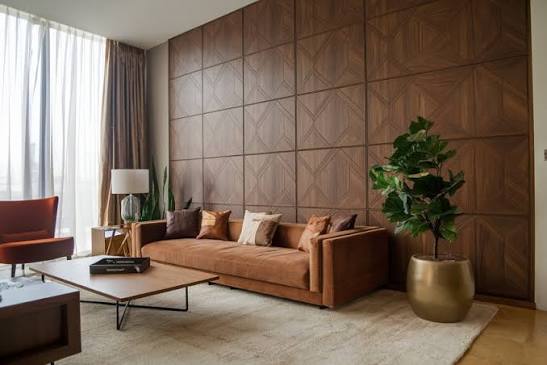
Lighting plays an essential role in creating a comfortable, stylish, and inviting home. While statement chandeliers and decorative lamps attract attention, subtle lighting solutions can transform an interior without overwhelming its design. Recessed LED coves are an excellent example, offering soft, indirect illumination that highlights architectural details, enhances room proportions, and creates a sophisticated atmosphere.
Whether you are designing a spacious living room, an elegant bedroom, or a contemporary dining area, recessed LED coves can help you achieve a balanced lighting scheme. Their concealed light sources produce a gentle glow across ceilings and walls, adding depth while reducing the harsh appearance that sometimes comes with direct lighting.
Understanding how to select, position, and combine recessed LED coves with other lighting elements will help you create a beautiful interior that balances functionality with visual appeal.
1. What Are Recessed LED Coves?
Recessed LED coves are lighting installations that conceal LED strips or fixtures within specially designed recesses in ceilings, walls, or architectural features. Instead of exposing the light source directly, the installation directs illumination toward a nearby surface, allowing the reflected light to spread throughout the room.
This indirect lighting technique creates a smooth, elegant glow that can make interiors feel warmer and more inviting. Because the LED source remains hidden from normal viewing angles, the result is generally softer than direct overhead lighting.
Cove lighting can be incorporated into suspended ceilings, decorative ceiling borders, wall recesses, and custom architectural features. Some designs use simple linear channels, while others integrate lighting into more elaborate ceiling details.
One of the biggest advantages of this approach is its versatility. Recessed LED coves can complement classic interiors with decorative moldings or contemporary spaces featuring clean lines and minimalist finishes.
They also work well alongside other lighting sources, helping create layers of illumination for different activities and occasions.
2. Enhance Living Rooms with Soft Indirect Lighting
The living room is one of the most suitable places to introduce recessed LED coves because it serves multiple purposes throughout the day. It may be used for relaxing, entertaining guests, watching television, or spending time with family.
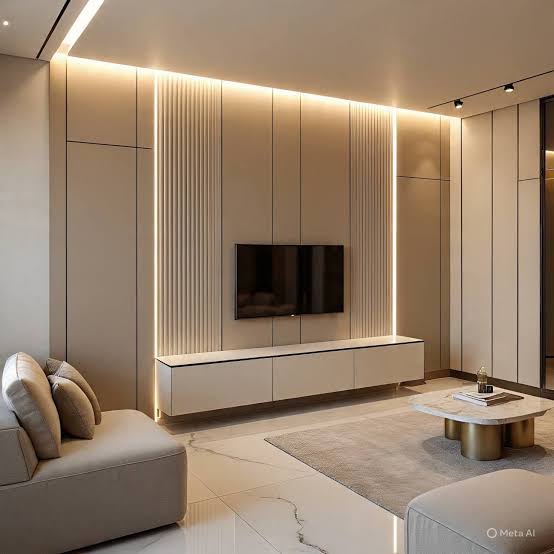
Cove lighting installed around the ceiling perimeter can provide a soft background glow that makes the room feel comfortable and visually balanced. Rather than relying entirely on a central ceiling fixture, homeowners can distribute light more evenly around the space.
Warm white lighting is often a good choice for living rooms because it creates a relaxed atmosphere and complements natural materials, upholstered furniture, and neutral color palettes. For a more contemporary appearance, neutral white lighting may suit interiors with cooler finishes and crisp architectural details.
Recessed LED coves can also highlight a feature wall or draw attention to decorative ceiling designs. When positioned thoughtfully, they emphasize architectural elements without competing with artwork, furniture, or statement lighting.
For the best results, combine cove lighting with floor lamps, table lamps, or a decorative chandelier. Each source serves a different purpose, allowing you to adjust the room's atmosphere according to the occasion.
3. Create a Relaxing Bedroom Atmosphere
Bedrooms benefit from lighting that supports relaxation and provides enough flexibility for everyday activities. Recessed LED coves offer a gentle alternative to bright overhead illumination, making them particularly useful for creating a peaceful evening environment.
Installing cove lighting around a bedroom ceiling can produce a soft halo of light that makes the space feel calm and inviting. The concealed light source reduces glare when the system is designed correctly, which can be helpful when winding down before sleep.
Another option is to incorporate indirect lighting behind a headboard or within a decorative wall recess. This creates a subtle focal point while complementing bedside tables, upholstered panels, and other bedroom furnishings.
Warm color temperatures, typically around 2700K to 3000K, are often suitable for relaxing spaces. Dimmable LED systems provide additional flexibility, allowing you to reduce brightness in the evening or increase illumination when cleaning and organizing the room.
However, cove lighting should not be the only light source in a bedroom. Bedside lamps or adjustable reading lights are useful for activities that require focused illumination.
Combining these elements creates a layered lighting arrangement that is both practical and visually appealing.
4. Highlight Architectural Details and Ceiling Designs
One of the greatest advantages of recessed LED coves is their ability to emphasize architectural features. Because the light source is concealed, illumination can follow the shape of a ceiling, accentuate a recess, or highlight decorative molding.
In rooms with high ceilings, cove lighting can help connect the upper part of the space with the rest of the interior. A continuous line of light around the ceiling perimeter introduces visual structure and prevents expansive surfaces from appearing empty.
For modern interiors, simple rectangular ceiling recesses can create a clean, geometric appearance. Curved coves may suit softer architectural styles, while layered ceiling designs can add depth and dimension.
Cove lighting can also complement decorative ceiling panels and recessed architectural details. The light gently reveals changes in surface height, making the design more noticeable without requiring additional decorative objects.
Careful planning is important, particularly when the ceiling contains multiple levels or complex shapes. The recess should be deep enough to conceal the LED source from ordinary viewing angles, and the reflective surface should distribute the light evenly.
Professional design and installation can help prevent visible LED dots, uneven brightness, and unwanted shadows.
5. Choose the Right LED Color Temperature
Color temperature has a significant influence on how a room feels. Even when the ceiling design remains unchanged, selecting a different LED color temperature can transform the atmosphere.
Warm white light, generally between 2700K and 3000K, produces a cozy appearance. It works well in bedrooms, living rooms, and dining areas where comfort is a priority.
Neutral white light, around 3500K to 4000K, creates a cleaner and more balanced appearance. It may suit contemporary interiors, kitchens, and multipurpose areas that require a brighter visual environment.
Cooler light can appear crisp, but it may feel less inviting in residential spaces when used excessively. The right choice depends on the room's function, the surrounding finishes, and personal preference.
Consistency is especially important when cove lighting is combined with chandeliers, recessed spotlights, or wall sconces. Different color temperatures placed close together can make the room appear visually inconsistent.
Before purchasing LED strips, review their color rendering index, or CRI, as well. A higher CRI generally helps furniture, paint colors, fabrics, and decorative finishes appear closer to their natural colors under the light.
6. Combine Cove Lighting with Chandeliers and Spotlights
Recessed LED coves are most effective when used as part of a complete lighting plan. Although they provide attractive ambient illumination, they may not deliver sufficient focused light for every activity.
A chandelier can serve as a decorative centerpiece in a living room or dining area, adding personality and visual interest. Cove lighting provides a softer background layer that prevents the chandelier from feeling like the room's only source of illumination.
Recessed spotlights can provide additional brightness over specific areas, such as reading corners, kitchen counters, or circulation routes. Wall sconces can highlight artwork and decorative surfaces, while table lamps create intimate pools of light.
The key is to give each fixture a clear purpose. Ambient lighting illuminates the general space, task lighting supports specific activities, and accent lighting draws attention to selected features.
Using separate dimmers or compatible smart controls allows you to adjust these layers independently. You might use a brighter setting for entertaining guests and a softer combination of cove lighting and lamps for a quiet evening.
When planning the installation, ensure that the LED strips, drivers, dimmers, and control systems are compatible with one another.
7. Improve Energy Efficiency and Everyday Comfort
LED technology is widely used in residential lighting because it generally consumes less electricity than traditional incandescent lighting for a comparable light output. It also offers a long operating life when the components are suitable for the application and installed correctly.
Recessed LED coves can support efficient lighting by providing broad ambient illumination without requiring multiple high-wattage decorative fixtures. Their actual energy consumption depends on the length of the LED strip, its wattage per meter, operating hours, and control settings.
Dimmers can help reduce brightness when full illumination is unnecessary. Timers and smart controls may provide additional convenience, especially in rooms where lighting is frequently adjusted throughout the day.
Heat management is another important consideration. Although LEDs are efficient, they still produce heat that must be managed through suitable installation details and compatible components. Use LED strips and drivers that meet the manufacturer's ventilation and mounting requirements.
For installations in humid areas or locations where dust may accumulate, choose products with an appropriate protection rating and follow the manufacturer's guidance.
These practical considerations help maintain consistent performance while preserving the clean appearance of concealed lighting.
8. Avoid Common Recessed LED Cove Lighting Mistakes
A successful cove lighting design requires more than hiding an LED strip behind a ceiling edge. Several common mistakes can affect the final appearance and performance.
One frequent problem is choosing LED strips with insufficient brightness. The resulting glow may look weak, especially in large rooms or spaces with dark ceilings. Selecting an appropriate output for the room's dimensions and finishes helps create the intended effect.
Another issue is installing the strip where the individual LED points remain visible. Using a suitable profile, diffuser, and recess depth can improve the appearance of the light.
Poor planning around ceiling details may also create uneven illumination. Changes in ceiling height, corners, and joints should be considered before installation.
Finally, avoid using cove lighting as the sole source of illumination in rooms that require focused light. Combining it with task and accent fixtures produces a more practical result.
Conclusion
Recessed LED coves offer a sophisticated way to enhance residential interiors through subtle, indirect illumination. They can make living rooms feel more inviting, create a relaxing bedroom atmosphere, and highlight architectural details that might otherwise go unnoticed.
By selecting the right color temperature, planning the ceiling recess carefully, and combining cove lighting with chandeliers, spotlights, and decorative lamps, you can create a layered lighting scheme that is both beautiful and functional.
Energy efficiency, dimming options, and flexible installation possibilities make recessed LED coves suitable for many interior styles. With thoughtful planning and quality components, this concealed lighting solution can enhance your home's atmosphere while maintaining a clean, elegant appearance for years to come.