
Elegant Design Ideas for a Sophisticated Interior
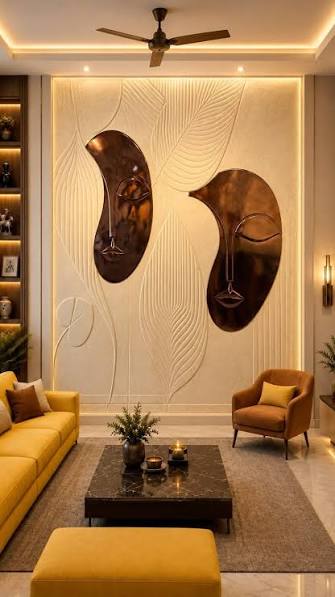
Luxury wall panels are an excellent way to transform ordinary walls into elegant architectural features. They add depth, texture, and character to interior spaces while creating a polished appearance that complements both classic and contemporary design styles. From beautifully crafted wooden panels to modern 3D designs and sophisticated upholstered finishes, the right wall treatment can make a room feel more refined, inviting, and visually balanced.
In upscale homes, every design detail contributes to the overall atmosphere. Walls are no longer simply backgrounds for furniture and artwork; they can become statement features that define the personality of a space. Choosing the right luxury wall panels allows homeowners to introduce architectural interest, highlight focal points, and create a cohesive interior that reflects their personal taste.
Whether you are redesigning a living room, upgrading a bedroom, or creating an impressive entrance, understanding different panel styles, materials, and installation techniques can help you achieve a beautiful and lasting result.
1. Explore Different Styles of Luxury Wall Panels
One of the most appealing aspects of wall paneling is the variety of designs available. Each style creates a different atmosphere, making it easier to find an option that suits your interior.
Traditional wall panels often feature decorative moldings, rectangular frames, and symmetrical patterns. These designs work particularly well in formal living rooms, elegant dining areas, and bedrooms with classic furniture. When combined with sophisticated lighting and carefully selected colors, traditional panels create a timeless appearance.
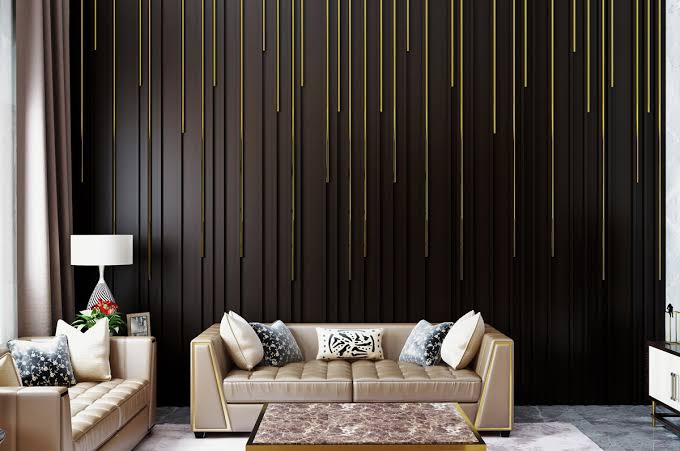
Modern wall panels typically feature clean lines, geometric shapes, and understated details. Vertical slats, smooth surfaces, and minimalist patterns are popular choices for contemporary interiors. They provide visual interest without overwhelming the room.
Three-dimensional panels offer another creative possibility. Their raised patterns and sculptural surfaces introduce depth, making them suitable for accent walls behind sofas, beds, or entertainment units.
For homeowners who prefer a more distinctive aesthetic, combining two complementary panel styles can produce an original result. However, maintaining consistent colors and balanced proportions is essential to prevent the design from feeling cluttered.
2. Choose the Right Materials for an Elegant Finish
The material you choose significantly influences the appearance, durability, and maintenance requirements of your wall panels.
Wood is a popular option because of its natural warmth and versatility. Oak, walnut, and other attractive wood finishes can create a sophisticated atmosphere while introducing organic texture. Dark wood panels often complement traditional interiors, whereas lighter finishes suit modern and Scandinavian-inspired spaces.
MDF panels are another practical choice. They can be shaped into decorative patterns, painted in different colors, and used to create a seamless appearance. Their versatility makes them suitable for both simple geometric designs and more elaborate decorative treatments. Moisture-resistant products may be available for specific applications, but the correct specification and installation are important.
Upholstered wall panels add softness and comfort. Covered in materials such as velvet, linen, or textured fabric, they are especially suitable for bedrooms and intimate sitting areas. They can also contribute to sound absorption, although the amount depends on the panel construction and backing.
Stone-effect panels and decorative surfaces inspired by marble can introduce a luxurious visual statement. These finishes work well behind fireplaces, in entrance halls, and on selected living room walls.
When comparing materials, consider the room's humidity, expected wear, cleaning needs, budget, and the condition of the existing wall. The most attractive option is one that combines visual appeal with practical performance.
3. Create a Stunning Living Room Accent Wall
The living room is an ideal place to introduce luxury wall panels because it often serves as the main gathering space in the home. A thoughtfully designed accent wall can establish a focal point and connect the room's furniture, lighting, and decorative accessories.
A paneled wall behind the sofa creates a sophisticated backdrop without requiring excessive decoration. Vertical wooden slats can make the wall appear taller, while symmetrical decorative molding adds a classic touch.
For a contemporary look, consider combining smooth panels with subtle metallic details or integrated lighting. Warm LED strips placed within selected recesses can emphasize the panel texture and create a soft glow during the evening.
The television wall is another popular location for paneling. Wood finishes, textured surfaces, and carefully positioned shelves can help integrate the screen into the overall design. If the wall includes electrical equipment, ensure that access, ventilation, and cable management are considered during installation.
To maintain visual harmony, coordinate the panel finish with nearby furniture. For example, walnut panels may complement a neutral sofa and brass accessories, while cream-colored panels can work beautifully with light upholstery and marble-effect surfaces.
The goal is to create a feature that enhances the living room rather than competing with every other decorative element.
4. Elevate Bedroom Interiors with Decorative Wall Panels
Wall panels can bring a sense of comfort and sophistication to a bedroom, particularly when installed behind the bed. This area naturally attracts attention, making it an excellent location for a carefully designed feature wall.
Upholstered panels are a popular choice because they introduce softness and can create a comfortable backdrop for reading or relaxing in bed. Large padded sections arranged in a symmetrical pattern produce a luxurious appearance, while smaller panels offer a more understated finish.
Wooden panels can create a warm and contemporary atmosphere. Vertical designs emphasize height, whereas horizontal arrangements can make the wall feel wider. The best choice depends on the bedroom's dimensions and the desired visual effect.
Color also plays an important role. Soft beige, warm gray, cream, and muted green create a calming environment. Deep blue, charcoal, or rich brown can produce a more dramatic appearance when balanced with suitable lighting and lighter bedding.
For a cohesive bedroom design, coordinate the panels with bedside tables, wardrobes, curtains, and decorative lighting. Matching every element exactly is unnecessary; instead, repeat a few complementary finishes to create a unified appearance.
5. Use Wall Panels to Enhance Entrance Halls
The entrance hall establishes the first impression of a home, so its design deserves careful attention. Decorative wall panels can transform this transitional area into a welcoming and visually impressive space.
Classic framed panels can introduce architectural elegance, especially when paired with a console table, decorative mirror, and wall sconces. Neutral finishes help create a bright atmosphere, while darker colors can provide contrast in larger entrance halls.
For modern interiors, vertical slatted panels offer a clean and sophisticated alternative. They can be installed behind a console or along a feature wall to introduce texture without taking up additional floor space.
Lighting can further enhance the effect. Wall sconces highlight decorative patterns, while concealed LED strips create subtle shadows that emphasize the panel's dimensions.
Practical considerations are important in entrance areas because walls may experience frequent contact, dirt, and scuffing. Select durable finishes that are easy to clean, particularly near doors and frequently used walkways.
A well-designed entrance combines beauty with functionality, ensuring that decorative features remain attractive in everyday use.
6. Coordinate Colors, Textures, and Lighting
The most successful wall panel designs consider how different finishes work together. Even expensive materials may look disconnected if their colors, textures, and proportions do not complement the surrounding interior.
Neutral palettes are a reliable starting point. Cream, ivory, beige, and warm gray create a versatile background that works with many furniture styles. These colors also allow artwork, lighting fixtures, and decorative accessories to stand out.
For a bolder appearance, consider deep green, navy, burgundy, or charcoal panels. Rich colors can add depth and create a striking contrast with lighter furniture. In smaller rooms, using darker finishes on a single accent wall may help maintain a balanced atmosphere.
Texture is equally important. Smooth painted panels can be combined with natural wood, metallic accents, or upholstered sections to create visual variety. However, limiting the number of competing textures helps preserve an elegant appearance.
Lighting should be planned alongside the panel design. Recessed spotlights can emphasize architectural details, while wall sconces provide localized illumination. Concealed LED lighting can highlight grooves and edges, creating depth without adding bulky fixtures.
Before finalizing a finish, examine material samples under both natural and artificial light. Colors can appear different throughout the day, and testing them in the actual room helps prevent disappointing results.
7. Understand Installation and Maintenance
Proper installation is essential for achieving a seamless and durable finish. Before installing wall panels, inspect the existing wall for uneven surfaces, moisture problems, loose plaster, or other defects that require attention.
The installation method depends on the panel material, weight, wall condition, and manufacturer's instructions. Some lightweight panels may be suitable for adhesive installation, while heavier systems may require mechanical fixings or a supporting framework.
Accurate measurements are particularly important when creating symmetrical molding patterns or aligning panels around doors, windows, and electrical outlets. Professional installation may be worthwhile for complex designs, heavy materials, or integrated lighting systems.
Maintenance requirements also vary. Painted panels may need occasional dusting and gentle cleaning, while natural wood may require products suited to its finish. Upholstered panels need cleaning methods appropriate for the fabric, and stone-effect surfaces should be maintained according to the manufacturer's recommendations.
Avoid using harsh chemicals or excessive moisture unless the product instructions specifically allow them. Regular care helps preserve the panels' appearance and extends their useful life.
8. Avoid Common Wall Paneling Mistakes
Although decorative paneling offers many design possibilities, a few common mistakes can reduce its impact.
First, avoid selecting patterns that are too elaborate for the room. Intricate designs may look beautiful in spacious interiors but can overwhelm smaller areas. Simpler patterns often create a more balanced appearance.
Second, consider the scale of the panels. Narrow sections may look busy on a large wall, while oversized panels can dominate a compact room. Choose dimensions that complement the wall and the surrounding furniture.
Third, do not ignore the existing architectural style. Modern slatted panels may work well in contemporary spaces, while traditional molding patterns may better suit classic interiors. Mixing styles can be effective, but the combination should feel intentional.
Finally, remember that wall panels are only one part of the overall design. Furniture placement, flooring, lighting, curtains, and decorative accessories should work together to create a harmonious interior.
Conclusion
Luxury wall panels offer a versatile way to add sophistication, texture, and architectural interest to your home. From classic decorative molding to contemporary wooden slats and elegant upholstered finishes, the right design can transform an ordinary wall into a distinctive feature.
By selecting suitable materials, coordinating colors, incorporating thoughtful lighting, and paying attention to proportions, you can create interiors that feel polished without becoming overwhelming. Living rooms, bedrooms, and entrance halls can all benefit from carefully planned paneling that reflects the character of the space.
Ultimately, the best wall panel design balances beauty, functionality, and durability. With thoughtful choices and proper installation, decorative panels can enhance your home's visual appeal and create an elegant atmosphere that remains attractive for years to come.