
Stylish Lighting Ideas to Transform Your Interior
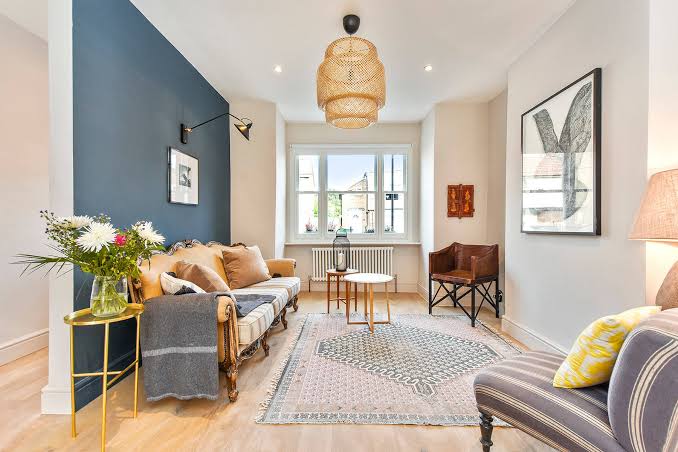
Lighting is one of the most influential elements in interior design. It shapes the atmosphere of a room, highlights architectural features, and adds character to even the simplest spaces. While ceiling lights and chandeliers often attract the most attention, wall lighting offers an equally creative way to enhance your home's appearance. Statement wall sconces combine practical illumination with distinctive design, making them an excellent choice for homeowners who want to create elegant and memorable interiors.
From sculptural modern fixtures to decorative traditional designs, wall sconces can introduce personality while providing comfortable, layered lighting. They work beautifully in living rooms, bedrooms, hallways, dining areas, and entrance spaces. When selected carefully, these fixtures can complement furniture, emphasize textures, and create a balanced relationship between light and shadow.
Whether you prefer contemporary minimalism or timeless sophistication, statement wall sconces offer a versatile solution for transforming your interior without taking up valuable floor space.
1. What Makes Statement Wall Sconces Special?
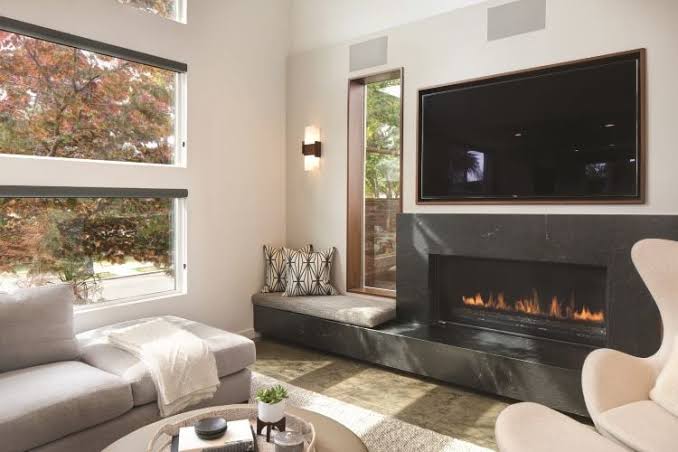
Statement wall sconces are decorative wall-mounted lighting fixtures designed to provide illumination while serving as visual features. Unlike basic wall lights that blend quietly into the background, statement designs often attract attention through their shapes, materials, finishes, or lighting effects.
Some fixtures feature sculptural silhouettes that resemble works of art. Others combine glass shades, metallic finishes, natural stone, or intricate geometric details to create an elegant focal point.
Their versatility makes them suitable for a wide range of interior styles. A brass sconce with a curved arm may complement a classic living room, while a minimalist black fixture can enhance a contemporary space. Frosted glass designs provide a softer appearance, and sculptural fixtures can introduce an artistic touch to otherwise simple walls.
Wall sconces also contribute to layered lighting. They can illuminate specific areas, create a welcoming atmosphere, and reduce reliance on a single overhead light source.
The most successful designs combine attractive appearance with suitable brightness, comfortable light distribution, and a finish that complements the surrounding decor.
2. Elevate Your Living Room with Decorative Wall Lighting
The living room is an ideal place to introduce statement wall sconces because it often serves as the main gathering space in the home. Well-positioned fixtures can highlight architectural details, complement furniture arrangements, and create a warm atmosphere for relaxation or entertaining guests.
Consider placing wall sconces on either side of a fireplace, a large mirror, or a decorative artwork. This symmetrical arrangement creates a balanced appearance and draws attention to the central feature.
For contemporary interiors, choose fixtures with clean lines, rounded forms, or understated metallic finishes. In traditional living rooms, decorative brass sconces, crystal details, and fabric shades can reinforce a more classic atmosphere.
Wall sconces can also work beside a sofa or within a reading corner. Adjustable fixtures are especially useful when focused light is needed for reading or other activities.
To achieve a cohesive look, coordinate the sconces with selected finishes elsewhere in the room. For example, a brushed-brass fixture can complement a coffee table base or decorative mirror frame without requiring every metallic detail to match.
Combining wall sconces with floor lamps, table lamps, and recessed lighting creates a flexible lighting scheme that adapts to different occasions.
3. Create a Relaxing Bedroom with Statement Wall Sconces
Bedroom lighting should support comfort while providing enough illumination for everyday tasks. Statement wall sconces offer an attractive alternative to traditional bedside lamps, especially when space on nightstands is limited.
Installing a sconce on each side of the bed creates symmetry and gives the room a polished appearance. This arrangement works particularly well with upholstered headboards, decorative wall panels, and coordinated bedside furniture.
For a relaxing atmosphere, choose warm white bulbs, typically around 2700K to 3000K. This color temperature produces a softer glow that suits evening relaxation.
Adjustable wall sconces are useful for reading because they allow light to be directed toward a book without illuminating the entire room. Fixtures with shades or diffusers can also help reduce glare when positioned correctly.
The height of each sconce should relate to the bed, headboard, and intended use. If the fixture is primarily decorative, its placement may differ from that of a reading light. Before installation, consider where you will sit or lie down to ensure that the light source remains comfortable to view.
For a sophisticated finish, coordinate the sconces with bedside accessories, curtains, and other decorative details while allowing the fixtures to retain their individual character.
4. Make Hallways and Entrance Areas More Inviting
Hallways and entrance areas are sometimes overlooked during decorating, even though they strongly influence the overall impression of a home. Statement wall sconces can make these transitional spaces feel more welcoming while adding visual interest to otherwise plain walls.
In a long hallway, a series of evenly spaced fixtures can create rhythm and guide movement through the space. Choose designs that provide sufficient illumination without protruding too far into narrow walkways.
For entrance halls, decorative sconces can complement a console table, mirror, or artwork. Pairing wall lighting with a pendant or chandelier creates layered illumination and helps establish a welcoming atmosphere.
The fixture style should reflect the surrounding architecture. Simple geometric sconces may suit modern interiors, while traditional fixtures with warm metallic finishes can complement decorative moldings and classic furniture.
Light distribution is particularly important in hallways. Fixtures that cast light both upward and downward can create attractive patterns across the walls, while diffused shades provide softer general illumination.
For practical results, ensure that fixtures are positioned at consistent heights and do not interfere with doors, artwork, or everyday movement.
5. Highlight Artwork and Architectural Features
Statement wall sconces can do more than illuminate a room. They can also emphasize selected architectural details and decorative features, helping create a more intentional interior design.
Placing sconces near wall panels, textured finishes, or decorative moldings can highlight their shapes and introduce depth through light and shadow. This technique works particularly well in rooms where architectural details would otherwise appear flat.
Wall lighting can also complement artwork. Decorative sconces placed beside a painting or framed print can create a balanced arrangement, provided that the light does not produce distracting reflections or expose delicate artwork to unsuitable light levels.
For a gallery-inspired look, consider fixtures with directional lighting that can be adjusted to illuminate specific areas. However, artwork with light-sensitive materials may require specialized lighting recommendations to prevent fading or damage.
In contemporary interiors, sculptural wall sconces can function as art in their own right. Their forms become part of the overall composition, even when the lights are switched off.
The key is to identify the feature you want to emphasize before choosing the fixture. This ensures that the lighting enhances the room instead of creating unnecessary visual competition.
6. Choose the Right Materials, Finishes, and Shapes
The materials and finishes of statement wall sconces have a significant influence on the room's overall appearance. Choosing a design that complements existing furniture and decorative elements helps maintain visual harmony.
Brass and gold finishes introduce warmth and sophistication. They work well with neutral walls, wooden furniture, and luxurious textiles. Black metal offers a more dramatic appearance and can create contrast in minimalist or industrial-inspired interiors.
Chrome and polished nickel provide a crisp, contemporary finish, while bronze can add depth to traditional and transitional spaces.
Glass is another versatile material. Clear glass creates a light, open appearance, while frosted or opal glass diffuses illumination for a softer effect. Natural stone and ceramic sconces can introduce texture and an artisanal quality.
Shape is equally important. Linear fixtures complement modern architectural details, while curved silhouettes soften interiors dominated by straight lines. Geometric designs add a contemporary statement, whereas traditional candle-style sconces create a timeless appearance.
Rather than matching every fixture exactly, choose a consistent design theme. Repeating one or two finishes throughout the room is often enough to create a coordinated result.
7. Understand Lighting Color and Brightness
A beautiful wall sconce must also provide suitable illumination. The right brightness and color temperature depend on the room's purpose, the fixture's design, and the amount of existing light.
Warm white lighting is generally appropriate for bedrooms, living rooms, and entrance areas because it creates a comfortable atmosphere. Neutral white lighting can be useful in functional spaces where a clearer, brighter appearance is preferred.
The fixture's shade and direction also affect how light spreads. Upward-facing sconces emphasize ceiling height, while downward-facing designs can illuminate furniture, flooring, or selected wall areas. Fixtures that distribute light in both directions often create attractive decorative effects.
Consider using dimmable bulbs or compatible dimming systems when flexibility is important. This allows you to adjust the atmosphere for relaxing, entertaining, or completing everyday activities.
Before purchasing, check the bulb type, maximum wattage, brightness, and compatibility with the fixture. Integrated LED sconces should be evaluated for light output, color rendering, and whether the light source can be replaced or serviced.
Thoughtful lighting choices help ensure that statement sconces are as functional as they are attractive.
8. Avoid Common Wall Sconce Design Mistakes
Although statement wall sconces can enhance many interiors, poor placement or inappropriate sizing can reduce their impact.
One common mistake is choosing fixtures that are too large for a narrow hallway or too small for an expansive wall. Consider the wall dimensions, furniture placement, and viewing distance before making a selection.
Another issue is installing sconces at inconsistent heights. Unless an asymmetrical arrangement is intentional, aligning fixtures carefully creates a more professional appearance.
Glare should also be considered. Exposed bulbs or overly bright fixtures may become uncomfortable, particularly when positioned near eye level. Diffusers, shades, and appropriate bulb choices can help improve visual comfort.
Finally, avoid using wall sconces as the only light source in rooms that require broader illumination. Combining them with overhead lighting and other fixtures creates a more balanced and practical environment.
Electrical installation should follow local requirements, and fixtures in damp locations must be rated for the conditions in which they will be used. When new wiring or complex installation is required, consult a qualified electrician.
Conclusion
Statement wall sconces offer an effective way to combine decorative style with practical illumination. Whether placed beside a bed, along a hallway, near a fireplace, or around a striking piece of artwork, they can add depth, character, and sophistication to your home.
By choosing suitable materials, coordinating finishes, selecting comfortable light levels, and positioning fixtures thoughtfully, you can create a lighting scheme that complements your interior design. Layering wall sconces with chandeliers, recessed lighting, and decorative lamps further enhances flexibility and atmosphere.
Ultimately, the best statement wall sconces are those that reflect your personal style while meeting the practical needs of each room. With careful selection and placement, these distinctive fixtures can transform ordinary walls into beautiful design features that remain appealing for years to come.