
Elegant Ideas for Creating a Spacious and Luxurious Home
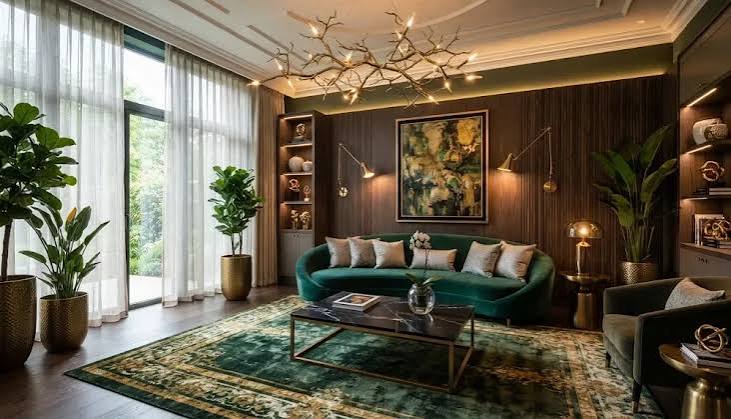
High ceilings can transform an interior into a breathtaking space filled with elegance, openness, and natural light. They create a sense of grandeur that makes rooms feel larger and more inviting while offering endless opportunities for creative interior design. However, decorating a room with high ceilings requires thoughtful planning to maintain balance, comfort, and visual harmony. Without the right furniture, lighting, and decorative elements, a tall room can feel empty or overwhelming rather than warm and sophisticated.
Whether you are designing a spacious living room, an elegant dining area, or a luxurious entrance hall, the right high ceiling styling techniques can help you make the most of your home's architectural features. From statement chandeliers to dramatic wall treatments, every detail can contribute to a beautifully coordinated interior.
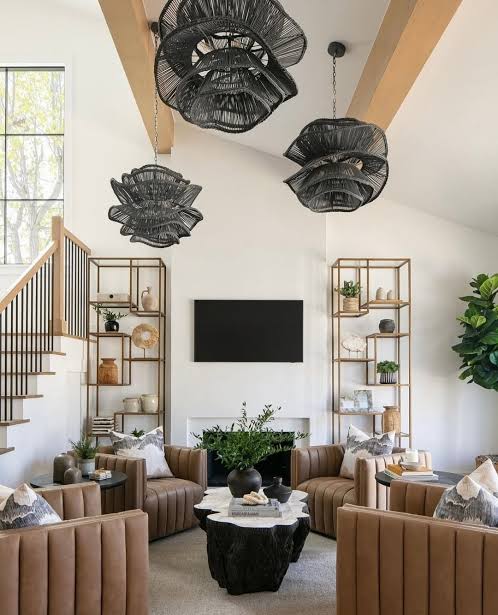
1. Choose Statement Lighting for a Dramatic Effect
Lighting is one of the most important elements when decorating rooms with high ceilings. A tall ceiling provides the perfect opportunity to introduce striking fixtures that become focal points and enhance the overall atmosphere.
Large chandeliers work particularly well in grand living rooms, formal dining areas, and entrance halls. Crystal chandeliers add timeless glamour, while contemporary sculptural designs create a modern and artistic appearance. For interiors with classic architectural details, ornate fixtures with metallic finishes can complement decorative moldings and elegant furniture.
Pendant lights are another excellent option, especially when placed above dining tables or seating arrangements. They help bring the visual focus downward, making the space feel more connected and comfortable.
When selecting lighting, consider the room's dimensions and ceiling height. A fixture that looks impressive in a spacious room may overwhelm a smaller area. The goal is to choose lighting that creates a strong visual statement without disrupting the room's proportions.
Layered lighting is equally important. Combine overhead fixtures with wall sconces, floor lamps, and table lamps to create a welcoming atmosphere throughout the day and evening.
2. Incorporate Floor-to-Ceiling Curtains
Window treatments can dramatically influence how a room with high ceilings looks and feels. Floor-to-ceiling curtains emphasize vertical lines, enhance the sense of height, and introduce softness to interiors dominated by hard surfaces.
For an elegant appearance, install curtain rods or tracks close to the ceiling and allow the fabric to extend all the way to the floor. This technique creates a continuous visual line that makes windows appear taller and more impressive.
Luxurious fabrics such as velvet, linen, and high-quality cotton can complement different interior styles. Velvet curtains provide richness and depth, making them suitable for formal living rooms and sophisticated bedrooms. Linen offers a lighter, more relaxed appearance while allowing natural light to filter through when selected in sheer or semi-sheer finishes.
Neutral shades such as cream, beige, ivory, and soft gray create a timeless look. For a more dramatic effect, consider deep green, navy, or burgundy, especially when these colors coordinate with the room's furniture and accessories.
Choosing the right curtains also improves privacy, controls sunlight, and contributes to the room's overall comfort.
3. Create Visual Interest with Architectural Details
High ceilings provide additional space for architectural features that might feel excessive in rooms with standard ceiling heights. Decorative moldings, ceiling medallions, exposed beams, and wall paneling can introduce character while making the interior feel thoughtfully designed.
Crown molding is a classic choice for connecting walls and ceilings. It creates a polished transition and works beautifully in traditional interiors featuring symmetrical furniture and sophisticated finishes.
For a more contemporary look, consider simple geometric moldings or subtle wall panels. These details add texture without making the room feel overly decorated.
Exposed wooden beams can introduce warmth and natural character, particularly in homes that combine classic architecture with modern furnishings. Dark beams create contrast against light ceilings, while pale wood produces a softer and more understated effect.
Another option is to introduce decorative ceiling treatments, such as recessed panels or carefully designed coffers. These features can make a large ceiling feel more structured and visually engaging.
The key is to select architectural details that complement the property's original character and maintain a consistent design throughout the space.
4. Use Oversized Artwork to Balance Tall Walls
One of the biggest challenges in high-ceiling interiors is decorating expansive walls. Small pictures and scattered accessories can appear insignificant when surrounded by large areas of empty space.
Oversized artwork offers an effective solution. A large painting, an abstract canvas, or a striking photographic print can establish a focal point while adding color and personality to the room.
For a balanced arrangement, position artwork in relation to the furniture below it. In a living room, a substantial piece above the sofa can connect the seating area with the surrounding walls. In a formal dining room, a large artwork can create an elegant backdrop.
Gallery walls are another attractive option. Grouping several coordinated pieces allows you to fill a tall wall while expressing your personal style. To achieve a harmonious result, maintain consistent spacing and choose frames or artwork that share a common color palette.
Mirrors can also enhance high-ceiling spaces by reflecting light and making interiors feel brighter. Large decorative mirrors with elegant frames are particularly effective in entrance halls, living rooms, and formal sitting areas.
5. Select Furniture That Matches the Scale of the Room
Furniture plays a significant role in maintaining proportion in rooms with high ceilings. Pieces that are too small may appear lost, while oversized furniture can make the space feel crowded if it is not arranged carefully.
Begin by identifying the room's primary function. A spacious living room may benefit from a generous sectional sofa, substantial armchairs, and a large coffee table. In a formal sitting area, coordinated seating arrangements can create an elegant and welcoming environment.
Tall bookcases, substantial cabinets, and large console tables can help fill vertical space while providing practical storage. These pieces are particularly useful when decorating expansive walls or creating visual balance around fireplaces.
However, not every item needs to be large. Smaller decorative accessories, cushions, and side tables can introduce variety and prevent the room from feeling heavy.
Arrange furniture to establish comfortable conversation areas and clear walking paths. Rather than pushing every piece against the walls, consider grouping furniture around a central feature, such as a fireplace, coffee table, or statement rug.
A well-proportioned arrangement makes even a grand room feel inviting and functional.
6. Introduce Texture and Warm Materials
Rooms with high ceilings sometimes feel cold because of their generous proportions and the large surfaces surrounding them. Introducing natural materials and varied textures can make the interior feel warmer and more welcoming.
Wooden furniture, textured rugs, upholstered seating, and decorative cushions help soften the visual effect of tall walls. Natural stone and marble can contribute sophistication, especially when paired with warmer materials that prevent the room from feeling too formal.
A large area rug is particularly useful in spacious living rooms. It defines the seating area and visually connects furniture pieces, creating a more intimate atmosphere within the larger space.
Layering textiles also adds depth. Combine smooth upholstery with woven cushions, soft throws, and curtains that complement the room's overall color palette.
For a luxurious finish, consider subtle metallic accents in lighting fixtures, mirror frames, or decorative accessories. Gold, brass, and bronze can introduce warmth without overwhelming the design.
The most successful interiors balance impressive architectural scale with tactile materials that make everyday living comfortable.
7. Choose a Coordinated Color Palette
Color can influence how people perceive the height, depth, and overall atmosphere of a room. A coordinated palette helps create a unified appearance, especially when walls extend several meters from the floor to the ceiling.
Light colors such as warm white, ivory, and pale beige enhance brightness and emphasize spaciousness. These shades are particularly effective in rooms with large windows and abundant natural light.
For a more dramatic interior, consider darker accent walls or rich colors in selected areas. Deep blue, forest green, and charcoal can introduce sophistication while helping large spaces feel more grounded.
Painting the ceiling a complementary shade can also influence the room's appearance. A lighter ceiling creates an airy feeling, while a slightly warmer or darker shade can make an exceptionally tall room feel more intimate.
To avoid visual fragmentation, repeat selected colors across furniture, curtains, artwork, and decorative accessories. This repetition creates continuity and makes the entire interior feel carefully coordinated.
8. Bring Nature Indoors with Tall Plants
Indoor plants provide a simple way to complement the vertical proportions of a high-ceiling room. Their natural shapes introduce movement, soften architectural lines, and add a refreshing element to sophisticated interiors.
Tall plants such as fiddle-leaf figs, indoor palms, and suitable varieties of dracaena can fill empty corners and create visual balance near large windows or seating areas. Choose plants according to the available light, room temperature, and maintenance requirements.
Large decorative planters can further enhance the design. Ceramic, stone, and textured neutral planters work well in elegant interiors, while natural woven containers introduce a more relaxed character.
For rooms with limited floor space, consider placing medium-sized plants on sturdy stands or using smaller arrangements on consoles and side tables.
Plants should complement the furniture rather than obstruct walkways or dominate the room. A few well-positioned specimens often create a more refined result than filling every corner with greenery.
9. Avoid Common High Ceiling Decorating Mistakes
Although high ceilings offer considerable design flexibility, certain mistakes can affect the final result.
One common problem is leaving the upper walls completely empty. While minimalism can be beautiful, expansive blank surfaces may make the room feel unfinished. Artwork, architectural details, or carefully positioned lighting can introduce interest without creating clutter.
Another mistake is relying exclusively on overhead lighting. A single chandelier may illuminate the center of the room but leave corners feeling dark. Layering different light sources creates a more comfortable and practical environment.
Choosing furniture that is too small can also disrupt the room's proportions. Select pieces that suit the dimensions of the space, but leave enough room for movement and visual breathing space.
Finally, avoid adding too many competing statement features. If the room already has an elaborate chandelier, decorative ceiling moldings, and dramatic wall panels, keep other elements relatively restrained.
A successful design combines grandeur with simplicity, ensuring that every feature contributes to the overall atmosphere.
Conclusion
High ceiling styling is about more than decorating a large vertical space. It involves creating balance, enhancing architectural beauty, and making expansive rooms feel comfortable enough for everyday living. Thoughtful lighting, floor-to-ceiling curtains, oversized artwork, well-proportioned furniture, and warm textures can transform a tall room into an elegant and welcoming environment.
By coordinating colors, incorporating natural materials, and paying attention to the scale of decorative elements, you can create an interior that feels both impressive and harmonious. Whether your preference is classic sophistication or contemporary simplicity, the right design choices will help you make the most of your home's height while expressing your individual style.
Ultimately, the best approach is to treat every architectural feature as an opportunity to add character. With careful planning and a consistent design vision, high ceilings can become one of the most beautiful and distinctive features of your home.