
Timeless Elegance for Beautiful and Luxurious Interiors
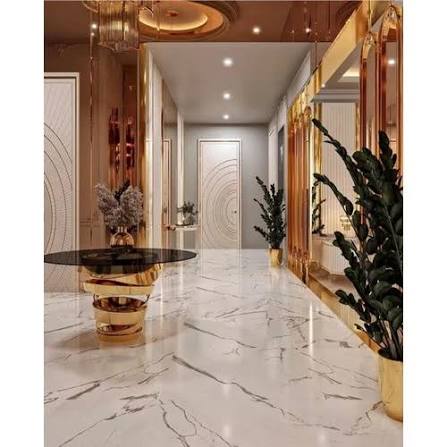
Italian marble has been admired for centuries because of its unique patterns, luxurious finishes, and ability to complement different architectural styles. Whether you prefer bright white surfaces, warm beige tones, or dramatic dark stone, there are numerous options to suit your design preferences.
Choosing the right Italian marble tiles involves more than selecting an attractive color. Understanding the different marble varieties, finishes, installation requirements, and maintenance practices can help you create a beautiful space that remains functional for years. With thoughtful planning, this natural stone can become a striking foundation for a classic or contemporary home.
1. What Makes Italian Marble Tiles So Special?
Italian marble is valued for its distinctive appearance, natural veining, and long-standing association with architectural craftsmanship. Different varieties feature unique combinations of colors, mineral patterns, and textures, meaning that no two pieces are exactly alike.
One of the most appealing characteristics of marble is its ability to create visual interest without relying on elaborate decorative patterns. Natural veins provide movement and depth, allowing the floor to become an elegant feature in its own right.
Italian marble is available in a variety of colors, including white, cream, gray, beige, and darker shades. These options make it suitable for different interior styles, from traditional homes with decorative moldings to contemporary spaces featuring clean lines and minimalist furniture.
Another advantage is its versatility. Marble can be used for flooring, wall cladding, staircases, countertops, and decorative architectural details. Using complementary marble finishes in selected areas can create visual continuity throughout an interior.
However, marble is a natural stone rather than a maintenance-free surface. It can be sensitive to acidic substances and may scratch or stain if not properly protected. Understanding these characteristics is essential when deciding whether it is the right material for your home.
2. Explore Popular Italian Marble Varieties
Different marble varieties offer distinct visual effects, making it easier to select a surface that complements your preferred design style.
Carrara marble is known for its light gray or white background and delicate gray veining. Its understated appearance works well in contemporary interiors, elegant bathrooms, and living spaces with neutral color palettes.
Calacatta marble often features a brighter white background with more pronounced veining. Depending on the variety, the veins may appear in gray, gold, or warmer tones. This dramatic appearance makes it a popular option for statement floors, feature walls, and sophisticated entrance halls.
Statuario marble is another sought-after variety, typically recognized for its pale background and distinctive veining. Its striking appearance can complement interiors where natural stone serves as the main decorative feature.
Beige Italian marble offers a warmer alternative to white and gray varieties. Its creamy tones work beautifully with wooden furniture, neutral upholstery, and metallic accents.
Darker marble varieties can introduce contrast and depth, particularly in spacious interiors with adequate lighting.
When selecting marble, examine actual samples whenever possible. Natural variations in veining, shade, and mineral distribution mean that photographs may not accurately represent the final material. Reviewing multiple slabs or tiles helps ensure a consistent appearance across the completed floor.
3. Enhance Living Rooms with Elegant Marble Flooring
The living room is an excellent place to showcase the natural beauty of marble. Because the floor occupies a substantial visual area, its color and pattern can influence the entire design.
Large marble tiles can create a spacious, streamlined appearance by reducing the number of visible grout lines. Polished white or light gray marble reflects light and can help a room feel brighter, especially when paired with large windows and pale walls.
For a warmer atmosphere, consider beige or cream marble. These tones complement wooden furniture, textured rugs, and upholstered sofas in neutral shades.
Darker marble can create a sophisticated contrast in larger living rooms. When balanced with suitable lighting, lighter furniture, and restrained decorative accessories, it can produce a dramatic yet elegant result.
The furniture arrangement should complement the flooring rather than compete with its natural patterns. If the marble features prominent veining, simpler furniture and understated accessories may help maintain visual balance.
Area rugs can also define seating zones while allowing the stone to remain visible around the room. Choose rug pads that are compatible with natural stone and its finish to help prevent slipping and unwanted marks.
4. Create a Luxurious Bathroom with Marble Tiles
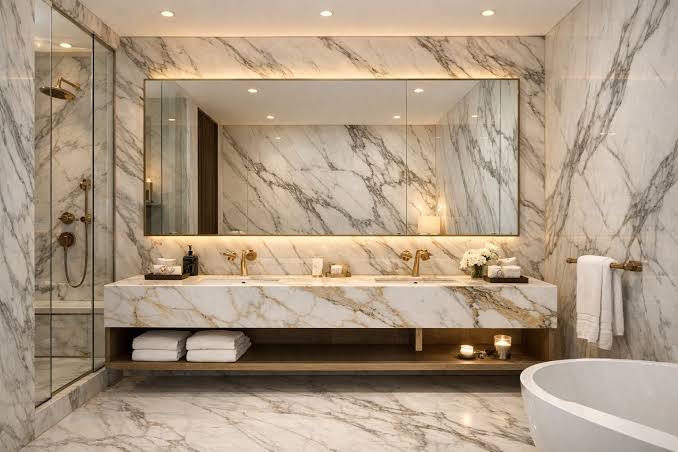
Marble can bring a spa-inspired atmosphere to bathrooms, combining natural patterns with a refined appearance. It can be used on floors, walls, shower surrounds, and selected decorative surfaces to create a coordinated design.
White marble with delicate gray veining is a popular choice for bright, elegant bathrooms. Pairing it with glass shower screens, simple mirrors, and understated fixtures creates a clean and sophisticated environment.
Beige marble offers a warmer aesthetic, particularly when combined with brushed-brass fittings and natural wood cabinetry. Darker marble can create a dramatic feature, although sufficient lighting is important to prevent the room from feeling enclosed.
Bathroom safety must be considered when selecting marble. Highly polished surfaces can become slippery when wet, making them unsuitable for some shower floors and other wet areas. A finish with appropriate slip resistance is generally preferable in locations where water regularly reaches the floor.
Marble also requires careful sealing and maintenance. Water, soaps, cosmetics, and cleaning products may affect the stone or its finish. Use products specifically recommended for natural marble and address spills promptly.
With suitable material selection and installation, marble can create an elegant bathroom that balances visual appeal with everyday practicality.
5. Choose the Right Marble Finish
The finish of Italian marble influences its appearance, maintenance needs, and suitability for different rooms. Selecting the right finish is just as important as choosing the color and variety.
Polished marble features a glossy surface that enhances the depth of the stone's colors and veining. It reflects light beautifully and is often chosen for formal living rooms, entrance halls, and decorative walls. However, scratches, etching, and certain marks may be more noticeable on polished surfaces.
Honed marble has a smooth, matte or low-sheen appearance. Its understated finish suits contemporary interiors and can make surface imperfections less visually prominent. Nevertheless, honed marble is still porous and may require sealing and careful maintenance.
Brushed or textured finishes provide additional surface character and may offer better traction than highly polished marble, depending on the specific product. These finishes can work well in selected entrance areas and other spaces where a less reflective appearance is desired.
Before selecting a finish, consider the room's purpose, expected foot traffic, exposure to moisture, and cleaning requirements. Ask the supplier for information about the specific product's performance rather than assuming every marble finish behaves the same way.
6. Coordinate Marble Tiles with Interior Colors
Italian marble can complement a wide range of colors and materials, but a carefully coordinated palette helps create a harmonious interior.
White and light gray marble pair beautifully with soft white walls, silver accents, and contemporary furniture. These combinations create a bright appearance that suits modern apartments and spacious living rooms.
Cream and beige marble work well with warm neutrals, natural wood, bronze accessories, and textured fabrics. This palette creates a welcoming atmosphere without sacrificing elegance.
For a more dramatic design, dark marble can be paired with lighter walls, contrasting furniture, and carefully positioned lighting. Metallic details in gold or brass may introduce warmth and emphasize the stone's natural patterns.
It is also important to consider the relationship between marble and other flooring materials. In open-plan homes, transitions between marble, wood, and other surfaces should be planned carefully to maintain a consistent visual flow.
Avoid introducing too many competing patterns. When the marble has bold veining, simpler wall finishes and furniture can allow the natural stone to remain the focal point.
7. Understand Installation and Maintenance Requirements
Proper installation is essential for achieving a durable and attractive marble floor. Natural stone tiles require careful handling, accurate alignment, and a suitable supporting surface.
The subfloor should be stable, clean, and appropriately level. The installer must select setting materials compatible with the marble type and installation conditions. Some light-colored or moisture-sensitive stones may require specific adhesives to reduce the risk of discoloration.
Tile thickness, dimensions, grout selection, and the intended layout should also be considered before installation begins. Large-format tiles and elaborate patterns may require additional preparation and specialist expertise.
Sealing is another important consideration. Many marble surfaces benefit from an appropriate penetrating sealer, although sealing does not make the stone completely stain-proof. The correct product and maintenance schedule depend on the marble, its finish, and the manufacturer's recommendations.
For everyday cleaning, use a soft mop or cloth and a pH-neutral cleaner designed for natural stone. Avoid vinegar, lemon-based products, abrasive powders, and other acidic cleaners because they can etch marble surfaces.
Wipe spills promptly, especially acidic liquids such as citrus juice and wine. Entrance mats can help reduce grit, while suitable furniture pads may prevent scratches.
Regular care helps preserve the stone's natural appearance and reduces the need for more extensive restoration.
8. Is Italian Marble Worth the Investment?
Italian marble can be a premium flooring choice, but its overall value depends on the stone variety, grade, dimensions, finish, installation requirements, and maintenance expectations.
Some varieties are considerably more expensive than others, especially when they feature rare colors, dramatic veining, or carefully selected patterns. Installation costs may also increase when the design requires large-format tiles, intricate layouts, or substantial subfloor preparation.
When comparing quotations, consider the complete project rather than the price per tile alone. Include delivery, installation materials, labor, sealing, waste allowances, and any necessary substrate preparation.
It is also worth considering how the space will be used. Marble may be an excellent choice for formal living areas and decorative entrance halls, while busy kitchens or frequently wet spaces may require more careful material and finish selection.
For homeowners who appreciate natural stone and are prepared to maintain it appropriately, Italian marble can provide lasting visual appeal. The best investment is a variety that suits both your design goals and your everyday needs.
Conclusion
Italian marble tiles offer a beautiful combination of natural character, sophisticated appearance, and architectural versatility. From delicate white Carrara marble to dramatic Calacatta designs and warm beige varieties, there are options to complement almost any interior style.
Choosing the right marble involves considering its color, veining, finish, room placement, and maintenance requirements. Professional installation, suitable sealing, and careful cleaning can help preserve the stone's appearance and performance over time.
Whether you want to create an elegant living room, a spa-inspired bathroom, or an impressive entrance hall, Italian marble can provide a distinctive foundation for your interior design. With thoughtful planning, this natural material can bring enduring beauty and refinement to your home.