
Timeless Patterns for Elegant and Modern Interiors
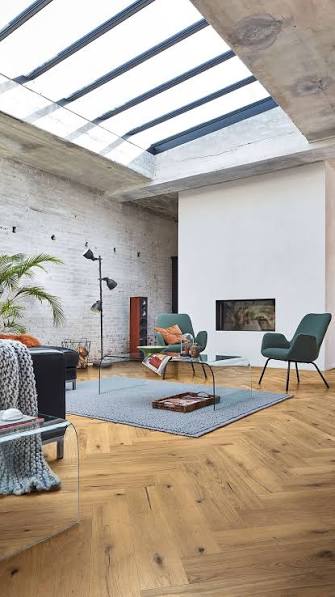
Flooring plays a major role in shaping the appearance and atmosphere of any interior. While furniture, wall colors, and decorative accessories contribute to a room's personality, the floor provides the foundation that connects every design element. Among the many flooring styles available, herringbone flooring stands out for its distinctive pattern, timeless appeal, and ability to make ordinary spaces feel more sophisticated.
Recognized by its repeated zigzag arrangement, this flooring style combines traditional craftsmanship with contemporary versatility. It works beautifully in classic homes, modern apartments, luxurious living rooms, and welcoming bedrooms. Whether made from natural oak, engineered wood, or other suitable flooring materials, herringbone flooring introduces movement, texture, and visual interest without relying on elaborate decoration.
Choosing the right material, color, pattern scale, and installation method can help you create a beautiful floor that complements your interior for years to come. Understanding these essential details will also make it easier to balance style, durability, and maintenance requirements.
1. What Makes Herringbone Flooring Unique?
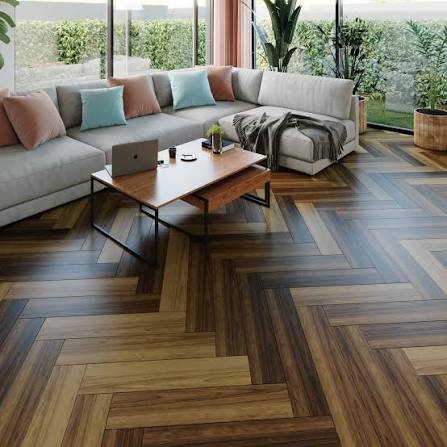
Herringbone flooring is a distinctive pattern created by arranging rectangular flooring pieces in alternating directions. Each piece meets another at a right angle, forming a continuous zigzag design that resembles the bones of a herring fish.
Unlike straight-laid flooring, which creates parallel lines across a room, this arrangement introduces movement and texture. The repeated pattern draws the eye across the floor, helping the surface become an important decorative feature.
Herringbone has a long history in architectural interiors and remains popular because it adapts easily to different design styles. Traditional spaces benefit from its classic character, while contemporary interiors can use it to introduce subtle detail without sacrificing simplicity.
The pattern is available in a variety of materials, including solid wood, engineered wood, luxury vinyl, and selected tile products. Each material offers different benefits in terms of appearance, installation, maintenance, and resistance to moisture.
When choosing a product, it is important to distinguish between the visual pattern and the material itself. A herringbone design can be attractive in several flooring types, but its long-term performance depends on the specific product and the conditions in which it is installed.
2. Explore the Difference Between Herringbone and Chevron Flooring
Herringbone and chevron flooring are often confused because both feature repeating zigzag patterns. However, their construction and overall appearance are different.
Herringbone uses rectangular pieces arranged at right angles. The ends of the boards meet in a staggered pattern, creating a broken zigzag effect. This arrangement produces a textured appearance that works well in both traditional and contemporary interiors.
Chevron flooring uses boards with angled ends that meet to form continuous V-shaped lines. Because the pieces align at their points, the pattern often appears more streamlined and symmetrical.
Both styles can create a sophisticated interior, but the right choice depends on the atmosphere you want to achieve.
Herringbone is ideal for homeowners who appreciate a classic pattern with noticeable texture and movement. Chevron may appeal to those who prefer a more continuous geometric design.
Before making a decision, examine samples of both patterns in the intended room. Consider the dimensions of the space, the direction of natural light, and the relationship between the floor and nearby furniture.
3. Choose the Right Material for Your Flooring
The material you select has a significant influence on the appearance, durability, and maintenance requirements of herringbone flooring.
Solid hardwood offers an authentic natural surface with distinctive grain patterns and color variations. Oak is especially popular because of its attractive texture and versatility. Solid wood may be refinished when worn, depending on its thickness, condition, and installation method. However, it is sensitive to changes in humidity and may not be suitable for every room.
Engineered wood features a real wood surface attached to a layered core. This construction generally provides greater dimensional stability than solid wood, making it a practical option for many interiors. Its suitability for underfloor heating and different installation methods depends on the product specifications.
Luxury vinyl flooring can reproduce the appearance of wood while offering practical benefits for busy households. Certain products are water-resistant or waterproof, but performance varies, so the manufacturer's specifications should always be checked.
Porcelain tiles can also be arranged in a herringbone pattern. They offer a durable surface suitable for many high-traffic areas, although installation requires careful alignment and appropriate grout selection.
Compare the material's appearance, cost, maintenance needs, and suitability for the room before purchasing. The best option is one that supports your lifestyle while delivering the desired design.
4. Transform Your Living Room with Herringbone Flooring
The living room is an excellent place to showcase herringbone flooring because it often serves as the main gathering space in a home. Its distinctive pattern can create a strong visual foundation without requiring excessive decoration.
Natural oak herringbone flooring pairs beautifully with neutral sofas, wooden furniture, and soft textiles. Light finishes can make a room feel airy and contemporary, while medium and darker tones introduce warmth and depth.
The direction of the pattern also influences the room's appearance. Aligning the pattern with the room's longest dimension may emphasize its length, while a carefully planned layout can help connect different areas in an open-plan space.
Furniture placement should complement the floor rather than conceal too much of its pattern. Area rugs can define seating arrangements while allowing the herringbone design to remain visible around the edges.
For a modern look, combine the flooring with simple furniture, understated wall colors, and carefully selected lighting. In more traditional interiors, decorative moldings, elegant upholstery, and classic accessories can reinforce the pattern's timeless character.
The goal is to create a balanced living room in which the floor contributes texture and personality without competing with other focal points.
5. Create a Sophisticated Bedroom with Herringbone Flooring
Herringbone flooring can bring warmth and visual interest to a bedroom while complementing a wide range of furniture styles. Because the pattern is decorative without being overly elaborate, it works particularly well in spaces designed for relaxation.
Light wood finishes create a calm, open atmosphere and coordinate beautifully with cream bedding, white walls, and natural fabrics. Medium oak tones provide a warmer appearance, while darker finishes can create a dramatic contrast with lighter furniture.
To maintain a relaxing environment, avoid introducing too many competing patterns. If the flooring features pronounced grain and color variation, choose simpler bedding and understated curtains.
Area rugs beside the bed can provide a softer surface underfoot and add another layer of texture. Protective pads beneath furniture legs also help reduce the risk of scratches.
When selecting a material for the bedroom, consider noise, comfort, and installation requirements. Underlayments compatible with the chosen flooring system may help improve acoustic comfort, depending on the product and subfloor.
With the right finish and complementary furnishings, herringbone flooring can make a bedroom feel elegant, comfortable, and thoughtfully designed.
6. Select Colors That Complement Your Interior
Color is one of the most important considerations when choosing herringbone flooring. Because the pattern already introduces visual movement, the right shade can help create harmony between the floor and the surrounding decor.
Light oak, pale beige, and natural blond wood finishes are suitable for bright, contemporary interiors. These colors complement white walls, neutral upholstery, and minimalist furniture.
Medium brown tones offer flexibility and work well with traditional and transitional styles. They create warmth while providing enough contrast to define the pattern clearly.
Dark brown and smoked wood finishes can introduce a sense of richness and sophistication. They are particularly effective when paired with lighter walls, warm lighting, and carefully selected decorative accessories.
Gray-toned flooring may suit modern interiors, especially those featuring black metal details, stone surfaces, and cool neutral colors. However, the undertones should be considered carefully to avoid a disconnected appearance.
When choosing a finish, examine samples under the room's actual lighting conditions. Natural daylight and artificial lighting can change how colors appear, while the furniture and wall colors may influence the overall impression.
A coordinated palette will allow the flooring pattern to stand out while maintaining a cohesive interior.
7. Understand Installation and Layout Planning
Herringbone flooring requires precise installation because the pattern depends on accurate alignment and consistent spacing. Small errors can become noticeable across the room, especially when the flooring extends through connected spaces.
Before installation, the subfloor must be stable, clean, and appropriately level. Moisture conditions should be assessed according to the flooring material and manufacturer's requirements.
The installer should also determine the centerline, starting point, and pattern direction before laying the first pieces. These decisions influence how the pattern meets walls, doorways, thresholds, and adjoining floors.
Herringbone layouts may generate more offcuts than straight-laid flooring, so an appropriate allowance for waste should be included when calculating material quantities. The amount depends on the room's shape, the pattern dimensions, and the installation plan.
Some products are designed for glue-down installation, while others use approved floating or mechanical fixing systems. The correct method depends on the flooring construction and subfloor conditions.
Professional installation is often worthwhile, particularly for complex layouts or premium wood products. Accurate preparation helps achieve a consistent pattern and reduces the likelihood of gaps, uneven joints, or unnecessary material waste.
8. Maintain Herringbone Flooring for Long-Term Beauty
Proper maintenance helps preserve the appearance and performance of herringbone flooring. The exact cleaning routine depends on the material and finish, so always follow the manufacturer's instructions.
For wood flooring, remove dust and loose debris regularly using a soft broom or a vacuum suitable for the surface. Grit can cause scratches when walked across the floor, particularly in high-traffic areas.
Clean spills promptly and avoid excessive water or steam cleaners unless the product specifically permits their use. Natural wood can react to moisture, and inappropriate cleaning methods may damage certain finishes.
Place suitable entrance mats near exterior doors to reduce the amount of dirt brought indoors. Furniture pads can help prevent scratches, while lifting furniture instead of dragging it reduces the risk of damage.
For vinyl and porcelain products, use cleaning solutions approved for the specific surface. Avoid abrasive tools that may affect the finish or grout.
Wood flooring also benefits from stable indoor humidity. Significant fluctuations may cause expansion, contraction, or gaps, depending on the product and installation.
Consistent care helps maintain the pattern's appearance and protects your flooring investment.
9. Is Herringbone Flooring Worth the Investment?
Herringbone flooring can cost more than straight-laid flooring because the installation process often requires additional planning, cutting, and precision. However, its distinctive appearance may justify the investment for homeowners who want a decorative floor with lasting appeal.
The total cost depends on the material, board dimensions, finish, room layout, subfloor preparation, and labor requirements. Solid hardwood and premium engineered wood generally have different price points from vinyl or tile alternatives.
When comparing quotations, consider more than the material price. Include installation, underlayment or adhesive, preparation work, finishing, and waste allowances.
It is also worth thinking about the long-term maintenance requirements. A natural wood floor may offer refinishing opportunities, while other materials may require different repair or replacement approaches.
Ultimately, the best choice is one that balances appearance, durability, budget, and the practical demands of the room.
Conclusion
Herringbone flooring combines a distinctive geometric pattern with timeless design appeal, making it an excellent option for a variety of interiors. Whether you choose natural oak, engineered wood, luxury vinyl, or porcelain tiles, this arrangement can introduce movement, texture, and sophistication to your home.
Selecting the right material, coordinating the color with your furniture, and planning the layout carefully will help you achieve a balanced and attractive result. Proper installation and regular maintenance are equally important for preserving the floor's appearance over time.
From elegant living rooms to comfortable bedrooms and welcoming entrance halls, herringbone flooring provides a versatile foundation for creative interior design. With thoughtful planning, it can become a lasting feature that enhances your home's character and style.