
Timeless Flooring for Elegant and Stylish Interiors
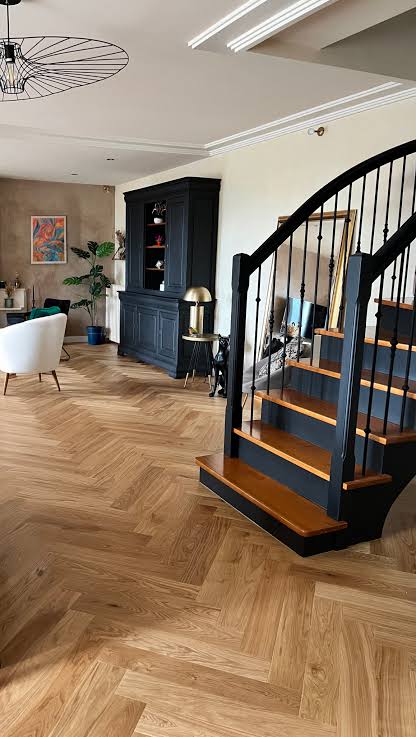
With its distinctive wood grain, warm tones, and attractive patterns, solid oak parquet can transform ordinary rooms into inviting and visually impressive spaces. It works beautifully in traditional homes, contemporary apartments, and luxurious interiors, offering a versatile foundation for different decorating styles.
Beyond its appearance, oak is valued for its strength and long-term performance when properly installed and maintained. Understanding the available parquet patterns, finishes, installation methods, and care requirements can help you choose flooring that suits your lifestyle and enhances your home's overall design.
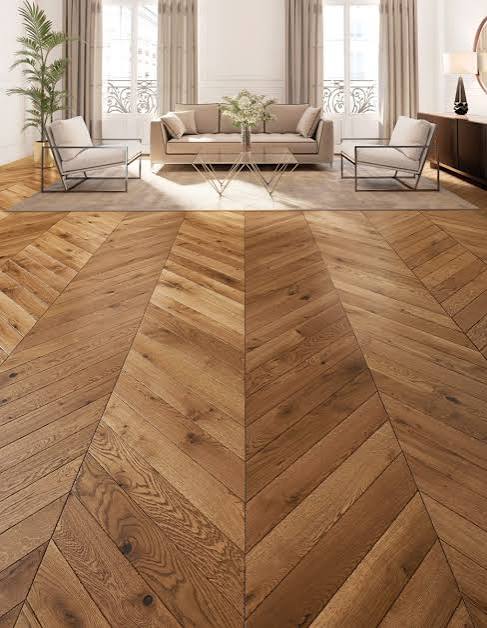
1. What Makes Solid Oak Parquet a Timeless Flooring Choice?
Solid oak parquet is made from individual pieces of natural oak arranged in decorative patterns. Unlike engineered wood flooring, which combines a real wood surface with a layered core, solid oak parquet consists of oak throughout the thickness of each flooring piece.
This construction gives the material its authentic appearance and allows suitable floors to be sanded and refinished when the surface becomes worn. The number of times refinishing is possible depends on the thickness of the wood, the installation method, and the condition of the flooring.
Oak is especially appreciated for its attractive grain patterns, natural color variations, and ability to complement different interior styles. Depending on the selected finish, it can appear pale and understated or rich and traditional.
Another advantage is its versatility. Solid oak parquet can be installed in living rooms, dining areas, bedrooms, and selected hallways, provided the subfloor and environmental conditions are suitable.
Because natural wood responds to changes in temperature and humidity, proper installation and indoor climate management are important. When these factors are addressed, solid oak parquet can provide a beautiful and long-lasting flooring solution.
2. Explore Popular Solid Oak Parquet Patterns
One of the most appealing features of parquet flooring is the variety of patterns available. The arrangement of individual wood pieces can dramatically influence how a room looks and feels.
Herringbone is among the most recognizable patterns. It features rectangular blocks arranged at right angles, creating a distinctive zigzag effect. This design adds movement and visual interest without appearing overly decorative. It works particularly well in living rooms, dining areas, and elegant entrance halls.
Chevron parquet offers a similar sense of movement, but the ends of the boards are cut at matching angles to create continuous V-shaped lines. This produces a more streamlined and symmetrical appearance that suits both contemporary and classic interiors.
Basketweave patterns create a decorative woven effect by arranging groups of wood pieces in alternating directions. They can add traditional character to rooms with classic furniture and architectural details.
Straight-laid parquet provides a simpler alternative. Although less intricate, it highlights the natural grain of the oak and can help create a clean, understated interior.
When choosing a pattern, consider the room's dimensions, natural light, furniture arrangement, and overall design style. A bold pattern may become the centerpiece of a spacious room, while a simpler layout may be more suitable for compact interiors.
3. Choose the Right Oak Color and Finish
The color and finish of solid oak parquet influence the atmosphere of a room as much as the pattern itself. Selecting the right combination can help create an interior that feels bright, warm, sophisticated, or dramatic.
Light oak finishes are popular in contemporary interiors because they create an airy appearance and complement neutral walls, minimalist furniture, and natural fabrics. Pale oak can also work beautifully in Scandinavian-inspired spaces, where simplicity and natural materials are important.
Medium oak tones offer a balanced look that suits many decorating styles. Their warmth complements beige upholstery, cream walls, and a variety of wood furniture finishes.
Dark oak flooring creates a richer and more dramatic atmosphere. It can provide an elegant contrast against light walls and carefully selected decorative accessories. However, darker floors may show dust and certain surface marks more readily, depending on the finish.
Surface treatments also influence the final appearance. Matte finishes emphasize the natural character of the wood and create a relaxed, contemporary effect. Satin finishes provide a subtle sheen, while glossier surfaces produce a more reflective appearance.
Oil finishes can enhance the grain and create a natural-looking surface, but they may require periodic maintenance. Lacquered finishes offer a protective surface that can be easier to clean, although repairs may require more localized or extensive refinishing.
Always examine flooring samples in your own home, since natural and artificial lighting can change how the color appears.
4. Enhance Living Rooms with Natural Oak Flooring
The living room is an excellent place to showcase solid oak parquet. Because it often serves as the central gathering space, its flooring should combine visual appeal with everyday practicality.
A herringbone or chevron pattern can create a distinctive foundation for a formal living room, especially when paired with elegant sofas, decorative lighting, and coordinated textiles. Straight-laid oak boards may suit a more relaxed or contemporary arrangement.
Natural wood tones also help balance different materials. Oak flooring can complement upholstered furniture, metal accents, glass tables, and stone surfaces without making the room feel visually disconnected.
Area rugs can be used to define seating zones while allowing the parquet pattern to remain visible around the edges. In open-plan interiors, changes in rug placement and furniture arrangement can help distinguish the living area from adjoining dining or kitchen spaces.
Consider the amount of natural light entering the room when choosing a finish. Lighter oak may help a dim space feel brighter, while medium tones can introduce warmth into rooms with large windows.
For a cohesive result, coordinate the flooring with the room's overall color palette rather than attempting to match every wooden item exactly. A thoughtful contrast between the floor and furniture often produces a more interesting design.
5. Create a Sophisticated Bedroom with Oak Parquet
Solid oak parquet can bring warmth and natural character to a bedroom. Its textured grain provides visual interest, while its range of colors makes it easy to coordinate with different bedding, furniture, and wall treatments.
Light oak flooring pairs beautifully with white bedding, soft beige curtains, and neutral upholstered headboards. This combination creates a calm atmosphere that suits contemporary and minimalist bedrooms.
Medium oak finishes work well with muted greens, warm grays, and natural linen fabrics. For a more dramatic design, dark oak can complement cream upholstery, metallic bedside accessories, and carefully placed decorative lighting.
The parquet pattern can also influence the bedroom's appearance. Herringbone flooring adds a traditional yet refined quality, while straight-laid boards create a quieter visual effect.
Comfort is another important consideration. Area rugs beside the bed can provide a softer surface underfoot and introduce additional texture. Felt pads beneath furniture legs help reduce the risk of scratches when beds, chairs, or bedside tables are moved.
Although solid oak is durable, it is not completely resistant to moisture or impact. Avoid leaving spills unattended, and maintain stable indoor humidity to reduce the risk of gaps, movement, or surface damage.
6. Understand Installation and Subfloor Preparation
Proper installation is essential for achieving a stable and attractive parquet floor. Even high-quality oak may develop problems if the subfloor is unsuitable or environmental conditions are ignored.
Before installation, the subfloor should be clean, structurally sound, and sufficiently level. Moisture levels must be checked, particularly when flooring is installed over concrete or in buildings where moisture may rise from below.
Solid oak parquet usually requires more careful moisture management than many alternative flooring products because natural wood expands and contracts as humidity changes. Following the manufacturer's installation requirements helps reduce the risk of cupping, gaps, and other movement-related issues.
The flooring should also be allowed to acclimate according to the manufacturer's instructions and the conditions of the installation site. Acclimation requirements vary by product and installation method, so there is no single waiting period suitable for every project.
Depending on the product, solid oak parquet may be installed using adhesive or another approved fixing method. The correct approach depends on the subfloor, parquet dimensions, building conditions, and manufacturer's recommendations.
Professional installation is particularly valuable for complex patterns such as herringbone and chevron, where accurate measurements and alignment are necessary to achieve a consistent result.
7. Maintain Solid Oak Parquet for Long-Term Beauty
Regular care helps preserve the appearance and performance of solid oak parquet. Although oak is a durable hardwood, its surface can still be affected by dirt, moisture, scratches, and unsuitable cleaning products.
Begin by removing dust and loose debris with a soft-bristle broom or a vacuum cleaner suitable for wood flooring. Fine particles can act like abrasive material when walked across the surface, gradually affecting the finish.
Clean spills promptly using a suitable cloth. Avoid excessive water, steam cleaners, and harsh chemicals unless the flooring manufacturer specifically approves them. Excess moisture can penetrate joints and contribute to swelling or finish damage.
Place protective pads beneath furniture legs and use suitable entrance mats to reduce the amount of grit tracked indoors. In areas with heavy foot traffic, these small precautions can help preserve the floor's appearance.
Maintaining stable indoor humidity is also important. Very dry conditions can contribute to gaps, while excessive humidity may cause the wood to expand.
Over time, some solid oak parquet floors can be sanded and refinished to refresh their appearance. The suitability of this process depends on the remaining wood thickness, existing finish, and overall condition. Professional assessment can help determine the most appropriate maintenance approach.
8. Is Solid Oak Parquet Worth the Investment?
Solid oak parquet can represent a significant initial investment compared with some laminate, vinyl, or engineered flooring products. However, its natural material, distinctive appearance, and potential for refinishing may make it attractive to homeowners seeking a long-term flooring solution.
The overall cost depends on the oak grade, board dimensions, pattern, finish, installation complexity, subfloor preparation, and local labor rates. Intricate layouts generally require more precise work and may generate additional installation costs.
It is also important to consider maintenance expenses. Some finishes require more regular care than others, while repairs may involve refinishing or replacing individual pieces, depending on the damage and installation method.
Before purchasing, request detailed quotations that include materials, installation, subfloor preparation, finishing, and any necessary moisture protection. Comparing the complete project cost provides a more realistic picture than considering the price per square meter alone.
The best choice is flooring that suits your budget, interior style, and willingness to maintain natural wood over time.
Conclusion
Solid oak parquet combines natural beauty, decorative versatility, and lasting appeal, making it an excellent flooring option for a wide range of interiors. From elegant herringbone patterns to understated straight-laid designs, it offers numerous ways to enhance living rooms, bedrooms, and other suitable spaces.
Choosing the right color, finish, and pattern helps create a cohesive design, while careful installation and regular maintenance protect the flooring's performance. Because solid wood responds to moisture and temperature changes, proper subfloor preparation and stable indoor conditions are essential for long-term results.
Ultimately, the value of solid oak parquet lies in its ability to bring authentic wood character and timeless style into your home. With thoughtful planning and appropriate care, it can remain an attractive foundation for your interior design for many years.