
Timeless Elegance and Artistic Craftsmanship
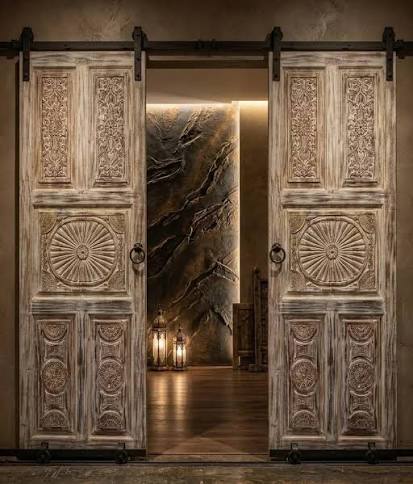
Carved wooden doors are more than functional entrances; they are works of art that bring character, sophistication, and timeless beauty to any interior or exterior space. With intricate patterns, detailed motifs, and natural wood textures, these doors transform ordinary entrances into striking architectural features. Whether used in traditional homes, luxurious villas, or contemporary properties, carved wooden doors create a distinctive impression that reflects craftsmanship and personal style.
From classic floral designs to geometric patterns and elaborate handcrafted details, carved wooden doors offer endless possibilities for enhancing a property's aesthetic appeal. Their combination of durability, artistic expression, and natural warmth makes them an excellent choice for homeowners who appreciate elegant design and enduring quality.
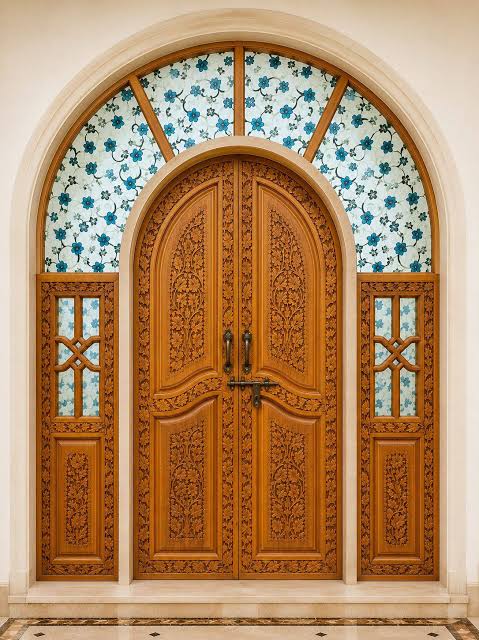
The Beauty of Carved Wooden Doors
The appeal of carved wooden doors lies in their unique combination of natural materials and artistic detail. Unlike plain doors with simple surfaces, carved designs introduce depth, texture, and visual interest. Every curve, line, and decorative element contributes to the door's overall appearance, creating a focal point that immediately attracts attention.
Wood itself adds warmth and authenticity to architectural spaces. Its natural grain patterns, rich colors, and distinctive textures complement a wide range of interior styles. When combined with carefully executed carvings, wood becomes a versatile medium for expressing traditional elegance or contemporary sophistication.
Carved wooden doors are available in various styles, from understated designs featuring subtle relief patterns to elaborate statement pieces decorated with intricate details. This variety allows homeowners to select doors that complement their architectural preferences while maintaining a cohesive appearance throughout the property.
Popular Designs and Artistic Carving Styles
Choosing the right carving style is essential for achieving the desired atmosphere. Different patterns communicate different design influences, making it important to consider the overall aesthetic of the home.
Traditional Floral Carvings
Floral motifs remain popular in decorative wooden doors because they introduce softness, movement, and natural beauty. Leaves, vines, flowers, and symmetrical botanical patterns create an elegant appearance that works particularly well in classic interiors, heritage properties, and luxurious residential spaces.
These designs often feature detailed craftsmanship that highlights the skill of the artisan. Depending on the level of decoration, floral carvings can create a subtle decorative accent or a dramatic visual centerpiece.
Geometric and Symmetrical Patterns
Geometric carvings offer a structured and balanced appearance. Repeating shapes, intersecting lines, and symmetrical compositions can create a sophisticated look that complements traditional and modern architecture.
These patterns are especially suitable for homeowners who appreciate decorative details without excessive ornamentation. Geometric designs can also incorporate cultural influences, giving a door a distinctive identity while maintaining a refined appearance.
Antique-Inspired Wooden Doors
Antique-inspired carved wooden doors bring a sense of history and authenticity to interior and exterior spaces. Their decorative panels, aged finishes, and intricate detailing can complement vintage furniture, traditional architectural elements, and collected decorative objects.
Some designs reproduce historical styles, while others incorporate reclaimed wood or distressed finishes to create an aged appearance. When selected carefully, these doors add character without making a space feel outdated.
Contemporary Carved Designs
Carved wooden doors are not limited to traditional interiors. Contemporary designs often feature clean lines, abstract patterns, shallow carvings, and minimal decorative elements.
These doors combine the warmth of natural wood with modern architectural simplicity. They are particularly effective in contemporary homes where texture and material quality play an important role in the overall design.
Choosing the Right Wood for Carved Doors
The type of wood used in a carved door influences its appearance, durability, maintenance requirements, and suitability for different environments. Selecting an appropriate material is therefore an important part of the purchasing process.
Hardwoods are frequently preferred for decorative doors because they can offer strength, attractive grain patterns, and a refined finish. Oak is valued for its distinctive grain and traditional appearance, while walnut provides deeper tones and a luxurious visual effect. Mahogany is another option appreciated for its rich color and elegant finish.
Other wood species may also be suitable depending on availability, budget, carving complexity, and intended use. The best choice depends on the door's location, exposure to moisture, and the level of decorative detail required.
For exterior applications, material selection and protective finishing are particularly important. A suitable weather-resistant coating helps reduce the effects of moisture, sunlight, and temperature changes. Proper installation and ongoing maintenance also contribute to the door's longevity.
How Carved Wooden Doors Enhance Interior Design
Carved wooden doors can influence the appearance of an entire room, not just the entrance itself. Their decorative surfaces introduce texture and visual depth, helping create a more layered and carefully designed environment.
In living rooms, a carved wooden door can complement traditional furniture, decorative mirrors, and warm lighting. In bedrooms, a more restrained design can create a sense of privacy while maintaining a sophisticated atmosphere. For dining rooms and formal reception areas, elaborate carved doors can reinforce an elegant aesthetic and establish a memorable first impression.
These doors can also coordinate with other wooden elements, including flooring, wall panels, cabinets, and furniture. Matching every wood tone is not always necessary. Instead, selecting complementary colors and finishes creates a balanced appearance without making the interior feel overly uniform.
Lighting is another important consideration. Wall lights, ceiling fixtures, and carefully positioned accent lighting can emphasize the shadows and raised details created by the carvings. This approach makes the door's craftsmanship more noticeable and enhances its decorative value.
Incorporating Carved Wooden Doors into Exterior Spaces
Exterior carved wooden doors can create a welcoming entrance while expressing the architectural character of a property. They are particularly suitable for traditional houses, luxury villas, heritage-inspired buildings, and homes that feature natural materials.
A large carved entrance door can become the focal point of a facade, especially when paired with stonework, decorative metal hardware, or complementary architectural details. Simpler carvings may be more appropriate for modern properties where visual balance and clean lines are priorities.
However, exterior doors must be selected according to practical requirements as well as appearance. Weather exposure, security, insulation, and the stability of the wood should all be considered. A decorative design should not compromise the door's structural integrity or ability to provide reliable protection.
For entrances exposed to direct sunlight or heavy rainfall, choosing suitable materials and finishes is essential. Regular inspection can help identify early signs of wear, allowing homeowners to address minor issues before they become more serious.
Carved Wooden Doors as Artistic Antiques
For collectors and design enthusiasts, carved wooden doors can hold value beyond their practical function. Antique examples may reflect historical craftsmanship, regional artistic traditions, and decorative techniques that are less common in mass-produced products.
Their appeal often comes from the individuality of the carving, the character of the wood, and the evidence of traditional workmanship. An authentic antique door may feature natural variations, aged surfaces, or handcrafted details that give it a distinctive personality.
When purchasing an antique door, buyers should consider its condition, authenticity, dimensions, and restoration history. Signs of structural damage, woodworm, excessive moisture, or inappropriate repairs may affect its usability and value. Professional assessment can be helpful when dealing with particularly old or valuable pieces.
Antique carved doors can also be repurposed creatively. Depending on their condition and design, they may serve as decorative wall panels, architectural dividers, or statement features in specially designed interiors. Such applications preserve their artistic character while allowing them to function in new settings.
Tips for Maintaining Carved Wooden Doors
Proper maintenance helps preserve the appearance and structural quality of carved wooden doors. Because intricate designs contain recessed areas and detailed edges, they require slightly more attention than flat-surface doors.
Dust the carved sections regularly using a soft brush or microfiber cloth. Avoid harsh cleaning products that may damage the finish or discolor the wood. For deeper cleaning, use a product suitable for the specific wood and protective coating.
Inspect hinges, handles, locks, and other hardware periodically to ensure that the door opens and closes smoothly. For exterior doors, check the finish for cracks, peeling, or signs of moisture damage. Reapplying a suitable protective coating when needed can help maintain the wood's appearance.
Indoor doors should be protected from excessive humidity and direct heat, while exterior doors may require more frequent maintenance depending on local weather conditions. Promptly addressing minor damage helps extend the door's service life.
Conclusion
Carved wooden doors combine artistic craftsmanship, natural beauty, and practical functionality in a way that few architectural features can match. Their intricate patterns, distinctive textures, and diverse design styles make them suitable for traditional homes, contemporary interiors, luxurious villas, and heritage-inspired properties.
By selecting the right wood, carving style, finish, and hardware, homeowners can create an entrance that complements their architectural vision while adding lasting character to their spaces. Whether chosen as a modern decorative feature or an antique statement piece, carved wooden doors offer a timeless way to celebrate craftsmanship and elevate interior and exterior design