
Timeless Treasures That Bring History into Your Home
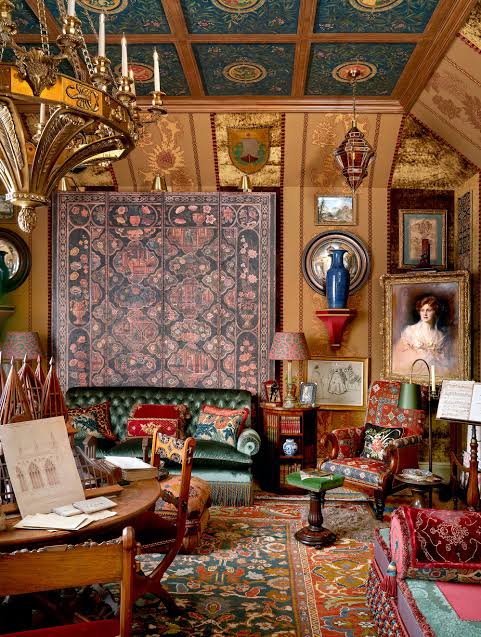
Vintage artifacts offer a unique way to introduce history, character, and artistic beauty into interior design. From intricately carved decorative objects to antique metal accessories and handcrafted wooden pieces, these treasures tell stories about different eras, cultures, and traditional craftsmanship. Unlike mass-produced decorations, vintage artifacts often feature distinctive details, natural materials, and signs of age that give them an individual identity.
Whether displayed in a classic home, a contemporary apartment, or a luxurious villa, vintage artifacts can transform ordinary spaces into environments filled with personality and charm. Their appeal lies not only in their appearance but also in the sense of history and authenticity they bring to a room. By combining carefully selected artifacts with complementary furniture, lighting, and architectural details, homeowners can create interiors that feel elegant, meaningful, and timeless.
What Makes Vintage Artifacts Special?
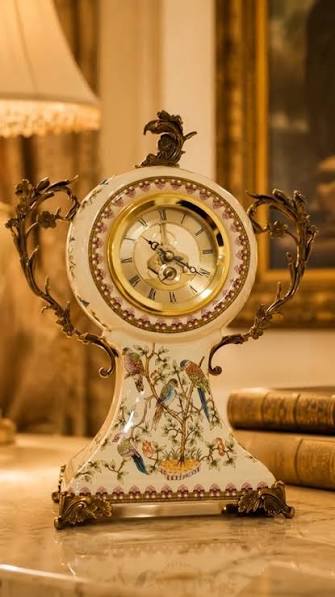
Vintage artifacts are decorative or functional objects associated with earlier periods and traditional styles. They may include carved wooden objects, metal ornaments, vintage hardware, decorative boxes, sculptural pieces, and other collectible items that reflect the materials and techniques of their time.
Their distinctive appeal comes from details that are difficult to reproduce perfectly in modern manufacturing. Handcrafted patterns, natural material variations, aged finishes, and subtle imperfections can make each object visually unique.
Vintage artifacts also provide opportunities for personal expression. A carefully chosen antique-inspired accessory may reflect a homeowner's interests, travels, or appreciation for traditional design. Rather than following temporary decorating trends, these objects help create a space with an individual character.
It is important to distinguish genuine antiques from vintage items and contemporary reproductions. Antique objects are generally understood to be older historical pieces, although the exact age threshold can vary by context. Vintage items are typically associated with an earlier period but may be more recent. Reproductions, meanwhile, recreate historical styles using modern manufacturing methods. Understanding these differences helps buyers make informed decisions about authenticity, condition, and value.
Popular Types of Vintage Artifacts
Vintage artifacts come in many forms, allowing homeowners and collectors to choose pieces that suit different interiors and decorating preferences.
Vintage Wooden Artifacts
Wooden artifacts are especially popular because they combine natural warmth with traditional craftsmanship. Examples include carved panels, decorative boxes, small sculptures, wooden trays, and ornamental furniture accessories.
Their appearance depends on the type of wood, carving technique, and surface finish. Rich walnut tones can complement traditional interiors, while lighter wood finishes work well in relaxed, rustic, or Scandinavian-inspired spaces.
Carved wooden artifacts are particularly effective when displayed against simple backgrounds. Their intricate patterns become more noticeable when surrounded by uncluttered furniture and neutral colors.
Antique Metal Decorations
Metal artifacts introduce contrast, texture, and visual weight into interior spaces. Brass ornaments, decorative ironwork, bronze-inspired sculptures, and vintage metal containers can complement both traditional and industrial-style interiors.
Antique brass pieces are especially appealing because their muted golden tones create a warm and sophisticated atmosphere. Decorative metal objects can also coordinate with door handles, cabinet pulls, hinges, and other architectural hardware, helping establish a consistent design throughout a room.
When selecting metal artifacts, consider the existing finishes and materials in the space. A small number of carefully positioned pieces often creates a stronger impression than an excessive collection of unrelated decorations.
Vintage Ceramics and Decorative Objects
Ceramic artifacts can introduce color, pattern, and artistic detail to shelves, tables, and display cabinets. Vintage bowls, decorative plates, pottery, and sculptural ceramics are suitable for interiors that benefit from handcrafted textures and distinctive forms.
These pieces work particularly well when grouped according to a shared characteristic, such as color, material, or historical influence. A collection of ceramic objects in complementary tones can create an attractive display without making the space feel crowded.
For fragile or valuable pieces, proper positioning is essential. Stable surfaces, suitable display stands, and protection from accidental impact help preserve their condition.
Vintage Architectural Details
Some of the most distinctive vintage artifacts originate from architectural elements. Decorative door knockers, antique locks, carved panels, traditional hinges, and ornamental fittings can serve as both functional features and decorative objects.
These pieces are particularly suitable for homeowners who appreciate the relationship between architecture and craftsmanship. A vintage door knocker, for example, can enhance the entrance of a traditional home, while an old carved panel may become a decorative feature inside a living room or hallway.
Before reusing original architectural elements, check their structural condition and compatibility with the intended application. Historical pieces may require professional restoration or specialized installation to preserve their appearance and functionality.
How Vintage Artifacts Enhance Interior Design
Vintage artifacts can make a room feel more layered, inviting, and visually interesting. Their materials and finishes introduce contrast against modern furniture, smooth walls, and contemporary decorative accessories.
In a living room, a carved wooden object or vintage sculpture can serve as a focal point on a console table. In a dining room, decorative ceramics or antique-inspired metal pieces can complement wooden furniture and warm lighting. In a hallway, a small collection of architectural artifacts can create a welcoming introduction to the home's overall style.
Vintage artifacts can also soften minimalist interiors. A contemporary room with clean lines and neutral colors may benefit from one distinctive object that adds texture and history without disrupting the simplicity of the design.
The key is balance. Choose pieces that complement the room's scale, color palette, and existing materials. Larger artifacts need sufficient surrounding space to remain visually prominent, while smaller objects often look best when grouped thoughtfully rather than scattered across every available surface.
Combining Vintage Artifacts with Modern Furniture
Mixing vintage artifacts with modern furniture creates an appealing contrast between old and new. This approach allows homeowners to enjoy the character of traditional objects without making the entire interior feel historically themed.
For example, a contemporary console table can provide an understated setting for a vintage brass ornament. A modern bookcase can display traditional ceramics, while a minimalist dining room may gain warmth from a handcrafted wooden centerpiece.
To maintain visual harmony, identify one or two elements that connect the different styles. Shared colors, natural materials, or similar shapes can make the combination feel intentional.
Wood and metal are particularly useful for creating these connections. Vintage wooden artifacts can complement modern oak furniture, while antique brass accessories can coordinate with warm lighting or selected cabinet fittings.
Avoid filling every surface with decorative objects. Leaving negative space around important pieces allows their details to stand out and prevents the room from feeling cluttered.
Choosing the Right Vintage Artifacts for Your Home
Selecting suitable vintage artifacts requires more than choosing objects based on appearance. Consider their size, condition, material, authenticity, and relationship to the surrounding interior.
Begin by identifying the purpose of the piece. Some artifacts are intended primarily for display, while others may still serve practical functions. Decorative boxes, trays, door fittings, and selected furniture accessories can combine usefulness with visual appeal.
Next, examine the item's condition. Look for cracks, loose components, corrosion, moisture damage, or signs of previous repairs. Such characteristics do not automatically make an object undesirable, but they should be understood before purchasing, especially when authenticity or collectible value is important.
If you are buying a potentially valuable antique, request information about its origin, age, materials, and restoration history. Documentation and expert assessment may help establish authenticity, although no single feature guarantees that an object is genuine.
Finally, consider how the artifact will be displayed. Choose a location that highlights its most distinctive features and protects it from unnecessary damage. Direct sunlight, excessive humidity, and unstable display surfaces can affect certain materials over time.
Vintage Artifacts as Collectibles and Decorative Investments
Some vintage artifacts attract collectors because of their historical significance, rarity, craftsmanship, or connection to a particular artistic tradition. However, not every old object automatically increases in value.
Condition, provenance, demand, authenticity, and rarity can all influence an item's market price. A well-preserved piece with documented history may be more desirable than a similar object with uncertain origins or extensive restoration.
Buyers should research comparable items and seek specialist advice when considering expensive purchases. It is also wise to purchase from reputable dealers who provide clear descriptions and transparent information about condition and provenance.
Even when financial value is not the primary goal, collecting vintage artifacts can be rewarding. Objects selected for their design, cultural interest, or personal meaning can contribute lasting character to a home.
Caring for and Preserving Vintage Artifacts
Proper care helps protect vintage artifacts and preserve their distinctive appearance. Cleaning methods should always suit the item's material and condition.
Use a soft, dry cloth or brush to remove dust from sturdy decorative objects. Avoid aggressive polishing on aged metals, as it may remove the patina that contributes to their character. Wooden pieces may require controlled environmental conditions and gentle cleaning products suitable for their finish.
Fragile ceramics, painted surfaces, and historically significant objects may need specialist care. Avoid unnecessary repairs or refinishing before determining whether these changes could affect the item's originality or value.
For particularly valuable pieces, consult a professional conservator before attempting restoration. Careful preservation helps maintain both the physical condition and the historical character of the artifact.
Conclusion
Vintage artifacts bring history, craftsmanship, and individuality into modern living spaces. From carved wooden decorations and antique metal accessories to vintage ceramics and architectural details, these objects offer countless ways to create interiors with depth and character.
By choosing pieces that complement the surrounding furniture, balancing old and new design elements, and maintaining artifacts carefully, homeowners can build collections that remain visually appealing for years. Whether displayed as personal treasures or selected for their historical significance, vintage artifacts celebrate traditional artistry while giving contemporary interiors a distinctive and timeless identity.