
Italian Marble Tiles: Elegant Flooring for Luxurious and Timeless Interiors
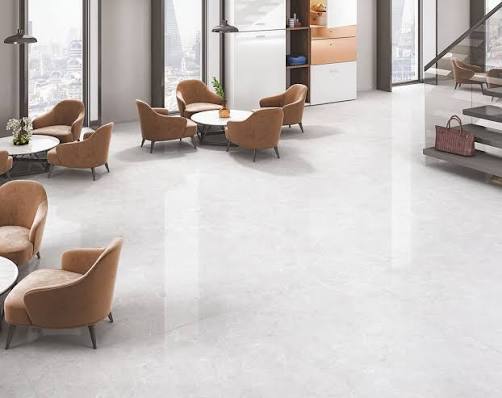
Italian marble tiles have long been admired for their natural beauty, sophisticated appearance, and exceptional ability to transform ordinary spaces into luxurious interiors. Known for their distinctive veining, rich colors, and polished surfaces, these tiles are a popular choice for homeowners, designers, and architects who want to create elegant and enduring spaces. From grand entrance halls to modern living rooms and stylish bathrooms, Italian marble offers a combination of natural charm and refined design that complements many interior styles.
Choosing the right flooring material is an important part of any home improvement project. The floor influences the atmosphere of a room, affects its visual proportions, and contributes to the overall character of the interior. With its unique patterns and timeless appeal, Italian marble can provide a beautiful foundation for both traditional and contemporary homes.

What Makes Italian Marble Tiles Special?
Italian marble is widely recognized for its distinctive appearance and natural variations. Formed over millions of years through geological processes, marble develops characteristic patterns that make each slab different. These natural details create a sense of authenticity that manufactured flooring materials may struggle to reproduce.
One of the most attractive features of Italian marble tiles is their variety. Some options feature soft white backgrounds with delicate gray veins, while others display dramatic patterns, warm beige shades, or deeper colors. This diversity allows homeowners to select a finish that matches their preferred interior design.
Popular varieties include Carrara marble, Calacatta marble, and Statuario marble. Carrara is often associated with subtle gray veining and understated elegance. Calacatta typically features a brighter background with more pronounced veins, creating a dramatic appearance. Statuario is prized for its luxurious look and distinctive patterns, making it suitable for statement interiors.
These varieties differ in appearance, availability, and cost, so comparing samples before making a purchase is essential.
The Benefits of Choosing Italian Marble Flooring
Timeless Beauty
One of the biggest advantages of Italian marble flooring is its enduring aesthetic appeal. While interior design trends change, natural stone continues to offer a classic appearance that works across different styles. Marble can complement traditional interiors with decorative furniture, as well as minimalist spaces featuring clean lines and neutral colors.
Its natural patterns add depth and visual interest without requiring additional decorative elements. Even a simple room can feel more sophisticated when finished with carefully selected marble tiles.
A Luxurious Appearance
Italian marble is frequently used in upscale residential properties, hotels, and commercial interiors because of its elegant finish. Polished marble reflects light, helping rooms feel brighter and more open. This quality can be particularly useful in entrance halls, living rooms, and areas with limited natural light.
Honed marble offers a softer, less reflective appearance. It can create a relaxed and contemporary atmosphere while preserving the natural beauty of the stone.
Versatile Design Options
Marble tiles are available in different sizes, colors, finishes, and patterns. Large-format tiles can create a spacious appearance with fewer grout lines, while smaller tiles may be suitable for decorative layouts and detailed designs.
Depending on the room and the desired effect, marble can be installed in straight patterns, diagonal layouts, or carefully planned arrangements that highlight its natural veining. Coordinating the tile pattern with the furniture and wall colors helps create a balanced interior.
Long-Term Value
When properly installed and maintained, marble flooring can remain attractive for many years. Its durability makes it a worthwhile option for homeowners who appreciate natural materials and are willing to follow an appropriate maintenance routine.
The final value of a marble installation depends on the stone variety, quality, installation method, and ongoing care. Professional installation is especially important because uneven surfaces, poor substrate preparation, or unsuitable adhesives can affect the finished floor.
How to Choose the Right Italian Marble Tiles
Selecting marble requires more than choosing an attractive color. Several practical factors should influence the decision.
Consider the Room
Different rooms have different flooring requirements. Living rooms and entrance areas may benefit from polished marble because of its refined appearance. Kitchens require careful consideration because acidic foods and household products can damage marble surfaces.
Bathrooms also need special attention. Water, soap, and frequent cleaning can affect the finish, while polished marble may become slippery when wet. A suitable finish, appropriate installation details, and proper slip-resistance considerations are essential.
For outdoor areas, choose a stone specifically suitable for exterior conditions and the local climate rather than assuming that every marble tile will perform well outdoors.
Select the Right Color
Color can influence how large, bright, or inviting a room appears. White and light-gray marble can create an airy atmosphere, while beige and cream varieties introduce warmth. Darker marble can provide contrast and create a dramatic focal point.
Before purchasing, compare samples with the room's lighting, wall colors, cabinetry, and furniture. Natural stone can look different under daylight and artificial lighting, so viewing samples in the actual space helps prevent unexpected results.
Check the Veining and Finish
Because marble is a natural material, patterns vary from tile to tile. Some homeowners prefer consistent, subtle veining, while others want bold patterns that stand out.
If visual continuity is important, ask the supplier to show the available tiles together before installation. Planning the arrangement can help distribute the natural patterns evenly or create a more intentional design.
The finish also matters. Polished marble delivers a glossy, reflective surface, whereas honed marble has a smooth, matte appearance. The best choice depends on the room's function, maintenance expectations, and desired style.
Italian Marble Tiles in Different Interior Spaces
Living Rooms and Entrance Halls
Marble flooring can make a strong first impression in entrance halls and reception areas. Light-colored tiles help create a bright, welcoming atmosphere, while larger formats can give the floor a seamless appearance.
In living rooms, marble pairs well with upholstered sofas, wooden furniture, metal accents, and understated decorative accessories. Rugs can introduce texture, define seating areas, and protect selected sections of the floor from everyday wear.
Kitchens and Dining Areas
Italian marble can create an elegant kitchen when coordinated with cabinetry, countertops, and lighting. White marble works particularly well with neutral cabinets, while beige or darker varieties can add warmth and contrast.
However, marble is sensitive to acids such as lemon juice and vinegar, which can dull the surface through a chemical reaction known as etching. Promptly cleaning spills, using suitable cleaning products, and following professional sealing recommendations are important for keeping the floor in good condition.
Bathrooms
Marble can bring a spa-inspired atmosphere to bathrooms, especially when used with glass, natural wood accents, and simple fixtures. Coordinating floor tiles with marble wall finishes can create a cohesive design.
For bathroom floors, prioritize appropriate slip resistance and proper waterproofing. Correct drainage, grout selection, and installation are just as important as the appearance of the tiles.
Bedrooms
In bedrooms, marble provides a clean, elegant foundation that works well with both classic and contemporary furniture. Soft beige and white shades can create a peaceful atmosphere, while decorative rugs add warmth and comfort underfoot.
Because marble can feel cold, especially in cooler climates, some homeowners consider underfloor heating. This should be planned before installation, with a qualified professional confirming that the stone, installation system, and heating arrangement are compatible.
How to Maintain Italian Marble Flooring
Although marble is durable, it requires appropriate care to preserve its finish. Regular maintenance helps prevent dirt buildup, staining, and unnecessary surface damage.
Start by sweeping or dust-mopping the floor to remove grit and particles that could cause scratches. Clean the surface with a pH-neutral cleaner specifically recommended for natural stone. Avoid acidic cleaners, abrasive powders, and harsh chemicals that may damage the finish.
Wipe up spills promptly, particularly coffee, wine, citrus juice, and other substances that can stain or etch marble. Place protective pads under furniture legs and use mats near entrances to reduce the amount of dirt tracked across the floor.
Sealing may help reduce the absorption of certain liquids, depending on the marble and the product used. However, sealers do not make marble completely stain-proof or protect it from acid etching. Follow the stone supplier's guidance regarding suitable sealers and reapplication intervals.
If the floor develops scratches, dull patches, or stubborn stains, consult a natural-stone specialist before attempting aggressive cleaning or polishing treatments.
Installation Tips for the Best Results
Professional installation plays a major role in the appearance and longevity of marble flooring. Before work begins, the installer should inspect the subfloor to ensure it is stable, clean, level, and suitable for natural stone.
Careful planning is necessary to determine tile placement, grout spacing, and the direction of the veining. Dry-laying selected tiles before fixing them in place can help achieve a balanced pattern, particularly when the stone has noticeable color variations.
The installer should use adhesives, grout, and installation methods appropriate for the specific marble. Some light-colored stones may require specialized products to reduce the risk of discoloration. Expansion joints and movement considerations should also be addressed according to the installation conditions.
After installation, follow the recommended curing time before walking on the floor or placing heavy furniture. Proper finishing and cleaning help ensure that the natural surface looks its best.
Understanding the Cost of Italian Marble Tiles
The cost of Italian marble tiles varies according to the stone variety, grade, thickness, size, finish, supplier, and country of origin. Rare patterns and highly sought-after varieties generally cost more than widely available options.
When preparing a budget, consider the full project rather than the price per tile alone. Additional expenses may include delivery, cutting, installation, adhesives, grout, sealing products, and subfloor preparation. It is also sensible to allow for a reasonable amount of extra material to cover cutting waste and future repairs.
Requesting detailed quotations from several reputable suppliers makes it easier to compare the quality of the stone and the total installation cost. Confirm the marble's origin and specifications, inspect samples, and ask about maintenance requirements before making a final decision.
Conclusion
Italian marble tiles offer a distinctive combination of natural beauty, sophistication, and lasting design appeal. Their elegant colors, unique veining, and versatile finishes make them suitable for a wide range of residential interiors, from impressive entrance halls to comfortable living rooms and luxurious bathrooms.
Choosing the right marble involves balancing appearance, functionality, maintenance, and budget. By selecting a suitable variety, working with experienced installers, and following the correct care routine, homeowners can enjoy a beautiful natural stone floor for many years.
Whether the goal is to create a classic interior or a modern space with subtle luxury, Italian marble provides a timeless design option that can enhance the character and visual appeal of a home.