
Recessed LED Coves: Elegant Lighting Ideas for Modern Interiors
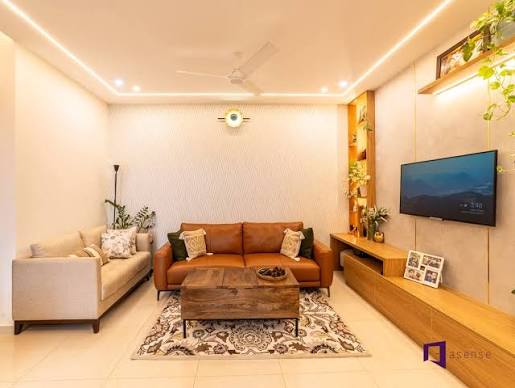
Recessed LED coves are an excellent way to transform an ordinary room into a stylish, comfortable, and visually appealing space. By concealing light sources within architectural recesses, these lighting solutions create a soft glow that spreads across ceilings and walls without exposing the lighting fixtures directly. The result is a clean, sophisticated appearance that enhances the atmosphere of living rooms, bedrooms, kitchens, and commercial interiors.
Modern interior design increasingly focuses on combining functionality with visual simplicity. Recessed LED coves support this approach by providing indirect illumination that highlights architectural details while maintaining an uncluttered ceiling. Whether you are renovating your home or designing a new interior, this lighting technique can help create depth, warmth, and a sense of luxury without overwhelming the surrounding decor.
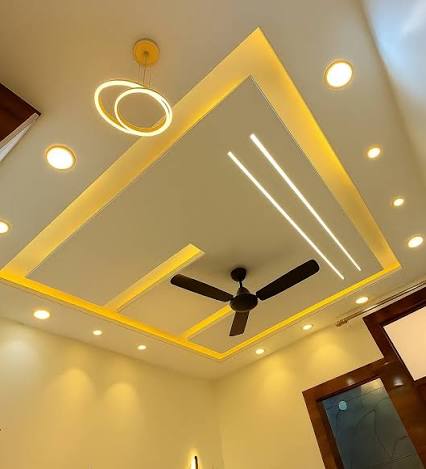
What Are Recessed LED Coves?
Recessed LED coves are lighting installations in which LED strips or compatible fixtures are hidden inside specially designed recesses, typically positioned along ceilings, walls, or architectural features. Instead of shining directly into the room, the light is directed toward a surface, such as the ceiling or upper wall, which reflects and distributes the illumination.
This indirect lighting approach reduces the visual prominence of the light source and creates a smooth, atmospheric effect. Depending on the design, recessed LED coves can produce a subtle background glow or provide more noticeable architectural emphasis.
They are commonly incorporated into plasterboard ceilings, dropped ceilings, decorative ceiling borders, and custom-built wall details. Some designs follow the perimeter of an entire room, while others highlight selected areas, such as a television wall, kitchen island, or bedroom headboard.
LED technology makes these installations especially appealing because it offers energy-efficient illumination, a wide selection of color temperatures, and flexible installation options.
Benefits of Recessed LED Coves
1. Create a Sophisticated Interior Appearance
One of the greatest advantages of recessed LED coves is their ability to make a room look refined without adding bulky fixtures. Since the light source remains concealed, the ceiling maintains a clean appearance.
This approach works particularly well in contemporary and minimalist interiors, where simple shapes and uncluttered surfaces are important. The gentle illumination can emphasize ceiling levels, wall textures, and architectural lines while allowing furniture and decorative accessories to remain the main focus.
Recessed LED coves can also complement classic interiors when incorporated into decorative moldings or elegant ceiling designs.
2. Provide Comfortable Indirect Lighting
Direct lighting can sometimes produce harsh contrasts or noticeable glare, depending on the fixture and its position. Cove lighting directs illumination onto surrounding surfaces, helping create a softer visual environment.
This makes it particularly useful in living rooms, bedrooms, lounges, and other spaces where a relaxed atmosphere is desirable. However, comfort depends on the brightness, LED placement, diffuser design, and reflective surfaces used in the installation.
For activities that require strong, focused illumination, recessed LED coves should generally be combined with appropriate task lighting rather than used as the only light source.
3. Improve Energy Efficiency
LED lighting typically consumes less electricity than traditional incandescent lighting while providing comparable illumination. LEDs also have a long rated service life, which can reduce the frequency of lamp replacement when the system is correctly installed and operated.
Energy consumption depends on the wattage, length of the LED strip, operating hours, and control settings. Choosing an efficient LED product and using dimmers or smart controls can help reduce unnecessary energy use.
4. Offer Flexible Design Possibilities
Recessed LED coves can be customized to suit different ceiling heights, room dimensions, and decorative preferences. They may follow straight ceiling borders, form geometric patterns, highlight curved architectural features, or frame selected areas of a room.
This flexibility allows homeowners and designers to create distinctive lighting arrangements without relying entirely on decorative chandeliers or pendant lights.
Popular Recessed LED Cove Designs
Perimeter Ceiling Coves
Perimeter coves run along the edges of a room's ceiling, creating a continuous band of indirect illumination. This design is particularly popular in living rooms and bedrooms because it creates a balanced glow across the ceiling.
Warm white lighting can make the room feel inviting, while neutral white light may suit interiors that favor a fresher, more contemporary appearance.
For the best effect, the cove should be designed so that the LED strip is concealed from normal viewing angles and the reflected light appears reasonably even.
Floating Ceiling Designs
Floating ceiling designs use recessed lighting to create the impression that a section of the ceiling is suspended above the room. Light emerges from the gap between the main ceiling and the surrounding structure, emphasizing the ceiling's shape.
This technique works well in modern living rooms, reception areas, hotel interiors, and spacious bedrooms. It can also help define different zones in open-plan interiors.
The size of the recess and the direction of the light should be planned carefully to avoid unwanted bright spots or dark patches.
Geometric Cove Lighting
Geometric designs incorporate straight lines, rectangles, squares, or other patterns into the ceiling. Recessed LED strips highlight these shapes, adding a decorative feature that can replace more elaborate ceiling ornaments.
A simple rectangular design may suit a minimalist home, while more complex patterns can create a dramatic focal point in a large living area.
When using geometric coves, consider the room's proportions. Oversized patterns can make a small room feel visually busy, while simple designs often create a more harmonious result.
Wall-Mounted Cove Lighting
Although ceiling coves are common, recessed indirect lighting can also be integrated into selected wall features. It may highlight textured finishes, shelving, decorative panels, or a television wall.
This approach introduces depth and helps draw attention to specific architectural elements. It is particularly effective when the surrounding decor uses natural stone, wood, textured plaster, or other materials that benefit from gentle illumination.
Choosing the Right LED Color Temperature
Color temperature significantly influences how a room looks and feels. It is measured in kelvins (K), and selecting the right option helps create a cohesive lighting scheme.
Warm white, around 2700K–3000K: This range creates a cozy atmosphere and works well in bedrooms, living rooms, and hospitality spaces.
Neutral white, around 3500K–4000K: This option provides a balanced appearance that may suit kitchens, home offices, and contemporary interiors.
Cool white, around 5000K and above: Cooler lighting can create a crisp appearance but may feel less relaxing in residential spaces. It is generally best selected according to the room's purpose and the desired visual effect.
For most cozy residential interiors, warm white is a popular choice. If the room combines several lighting types, choose color temperatures that work together rather than creating noticeable differences between nearby light sources.
How to Use Recessed LED Coves in Different Rooms
Living Room
In the living room, perimeter ceiling coves can create a welcoming atmosphere for relaxing or entertaining guests. Combine them with floor lamps, table lamps, or recessed downlights to provide different levels of illumination.
Dimmable LEDs are especially useful because they allow you to adjust brightness for movie nights, family gatherings, and everyday activities.
Bedroom
Bedrooms benefit from lighting that feels calm and comfortable. Recessed LED coves around the ceiling or above a headboard can provide gentle background illumination without making the room feel overly bright.
Choose warm white lighting and consider separate controls for the cove and bedside lights. This allows you to maintain soft ambient lighting while keeping reading lights available when needed.
Kitchen
In kitchens, recessed LED coves can add visual interest and complement cabinetry, islands, and modern ceiling designs. However, ambient cove lighting should not replace task lighting over worktops, sinks, or food preparation areas.
Select suitable products for the environment, particularly where moisture, steam, or heat may affect the installation.
Hallways and Entryways
Cove lighting can make hallways and entryways appear more welcoming. A continuous line of concealed illumination helps guide movement through the space and highlights ceiling details without occupying valuable floor or wall space.
In narrow corridors, a simple design often works better than a complicated pattern. Adequate overall brightness remains important for safe movement.
Installation and Maintenance Considerations
Successful recessed LED cove lighting begins with careful planning. The ceiling or wall recess must provide sufficient space for the LED strips, wiring, power supply, and any required ventilation or heat management.
Choose quality LED strips with an appropriate brightness level, color rendering, and compatible power supply. An aluminum profile can help manage heat and may improve the appearance of the light through a suitable diffuser.
The installer should also consider access to drivers and connections for future maintenance. Concealing electrical components permanently without suitable access can make repairs more difficult.
For wet or humid areas, select products with the appropriate protection rating and follow electrical safety requirements. Electrical installation should be carried out by a qualified professional where required.
Regular maintenance is generally straightforward. Dust surrounding surfaces when needed and inspect the system if you notice flickering, uneven illumination, or changes in brightness.
Conclusion
Recessed LED coves provide an elegant way to combine architectural design with practical illumination. Their concealed light sources, flexible layouts, and energy-efficient LED technology make them suitable for a wide range of residential and commercial spaces.
From perimeter ceiling details to floating ceilings and decorative wall features, these installations can enhance a room's atmosphere while keeping the overall design clean and sophisticated.
By choosing the right color temperature, planning the layout carefully, and combining ambient illumination with suitable task lighting, you can create a balanced lighting scheme that supports both comfort and functionality. Recessed LED coves are more than a decorative feature; they are a versatile design solution for interiors that value subtle beauty, modern simplicity, and thoughtful lighting.