
Creative Ideas to Make Your Interior Feel Elegant and Inviting
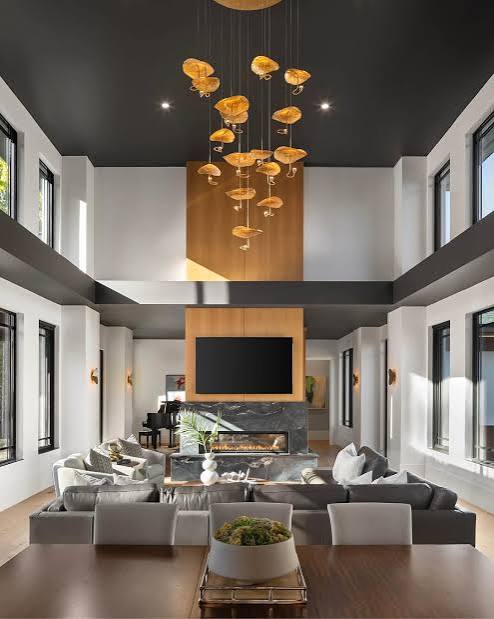
High ceilings are one of the most desirable features in modern interior design. They create a sense of openness, allow more natural light to enter a room, and make even modest spaces feel larger and more impressive. However, decorating rooms with high ceilings can sometimes be challenging. Empty vertical walls, oversized spaces, and furniture that appears too small can make an interior feel unbalanced or unfinished.
The key to successful high ceiling styling is creating visual harmony between the upper and lower parts of the room. With the right furniture, lighting, colors, textures, and decorative accessories, you can transform a tall space into a comfortable and beautifully designed environment.
1. Choose Statement Lighting Fixtures
Lighting plays an important role in decorating rooms with high ceilings. A large ceiling height provides an excellent opportunity to introduce impressive lighting fixtures that become focal points.
Chandeliers are a popular choice for living rooms and dining areas because they add elegance while visually filling the vertical space. Modern pendant lights, sculptural fixtures, and cascading lights can also create a sophisticated atmosphere.
When selecting a lighting fixture, consider the proportions of the room. A small pendant may disappear in a spacious interior, while an oversized chandelier can make the space feel crowded. Choose a design that complements the furniture and overall decorating style.
For an especially balanced appearance, combine the main ceiling fixture with wall sconces, table lamps, and floor lamps. This layered lighting approach creates a warm atmosphere and ensures that every part of the room feels welcoming.
2. Decorate Tall Walls with Large Artwork
One of the biggest challenges of high ceilings is deciding how to decorate the large areas of empty wall space. Small pictures may look disconnected and insignificant, so choosing appropriately sized artwork is essential.
Large paintings, oversized photographs, and impressive abstract art can introduce personality while making tall walls feel more complete. You can also create a gallery wall by arranging several framed pieces in a carefully planned composition.
For a contemporary interior, consider minimalist artwork with neutral colors. In more traditional spaces, framed paintings and decorative wall panels can introduce a classic touch.
Another interesting option is to hang artwork vertically. Tall arrangements naturally complement the proportions of high walls and help draw attention upward without making the room feel overwhelming.
3. Use Floor-to-Ceiling Curtains
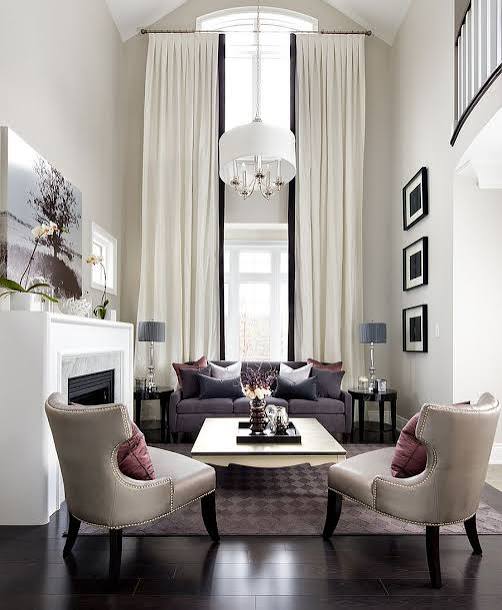
Curtains are an effective way to emphasize the height of a room. Instead of installing short window treatments, choose long curtains that extend from close to the ceiling down to the floor.
This simple technique creates a continuous vertical line, making windows appear taller and the entire room feel more elegant. Lightweight fabrics such as linen and sheer cotton allow natural light to filter through, while heavier materials provide privacy and a more luxurious appearance.
Neutral shades like beige, cream, soft gray, and white work beautifully in many interiors. If you want to introduce more personality, consider subtle patterns or rich colors that coordinate with your furniture and accessories.
For the best result, install the curtain rod higher than the window frame. This visually enhances the room's proportions and makes the ceiling appear even taller.
4. Introduce Tall Furniture and Decorative Elements
Furniture selection is particularly important when styling a room with high ceilings. Low-profile furniture can sometimes make a large space feel empty, especially when there is too much unused vertical space.
Consider incorporating tall bookcases, high cabinets, display shelves, and large storage units. These pieces help connect the floor with the upper sections of the room while providing practical storage.
Indoor plants are another excellent option. Tall plants such as fiddle-leaf figs, palms, and indoor olive trees introduce natural texture and soften the appearance of large interiors.
Decorative floor vases, oversized sculptures, and tall mirrors can also contribute to a balanced design. However, avoid filling every corner with large accessories. A few carefully selected pieces usually create a more refined result.
5. Add Architectural Details to the Ceiling
High ceilings offer an opportunity to highlight architectural features that might not be noticeable in rooms with standard ceiling heights.
Decorative ceiling beams can introduce warmth and character, particularly in rustic, farmhouse, and contemporary interiors. Wooden beams create a natural contrast against light-colored ceilings and add visual depth.
Coffered ceilings are another attractive option. Their recessed panels create an elegant architectural pattern that works well in traditional and transitional spaces.
For a more modern appearance, consider simple ceiling moldings, subtle geometric details, or recessed lighting. These features add sophistication without making the room look overly decorated.
The most important consideration is choosing architectural details that complement the style of the home rather than competing with other design elements.
6. Create Comfortable Seating Arrangements
Large rooms with high ceilings can sometimes feel less intimate than smaller spaces. A thoughtful furniture arrangement can make the room more comfortable while maintaining its spacious appearance.
Start by selecting a sofa and chairs that are proportional to the room. Larger seating pieces, sectional sofas, and substantial coffee tables can help establish a comfortable living area.
Arrange furniture around a central focal point, such as a fireplace, television, or large window. An area rug can define the seating zone and visually connect the different furniture pieces.
In open-plan interiors, consider creating separate functional areas. For example, you can combine a main seating arrangement with a reading corner or a small conversation area. This approach makes a large room feel organized rather than empty.
7. Choose Colors That Enhance the Space
Color selection can significantly influence how high-ceiling interiors look and feel. Light colors are particularly useful for creating an airy atmosphere because they reflect natural light and emphasize openness.
White, ivory, pale gray, and soft beige are excellent choices for walls and ceilings. They provide a clean background that allows furniture, artwork, and decorative accessories to stand out.
However, using the same light shade everywhere may make a tall room feel plain. Introduce contrast through accent walls, textured finishes, darker furniture, or colorful accessories.
Painting the ceiling in a slightly warmer shade can also make the space feel more inviting. In rooms where the ceiling feels excessively high, a carefully chosen darker ceiling color may visually lower it and create a more intimate atmosphere.
8. Use Large Rugs and Layered Textures
High ceilings are often associated with spacious floors and large furniture arrangements. A properly sized rug helps anchor the room and creates a visual connection between the different elements.
Choose a rug large enough to accommodate the main seating arrangement. Ideally, the front legs of sofas and chairs should rest on the rug to create a unified appearance.
Texture is equally important. Combine soft upholstery, natural wood, woven accessories, linen curtains, and decorative cushions to make the interior feel warm and inviting.
These materials introduce depth and prevent the room from looking too formal or empty. Layering different textures is especially effective in minimalist interiors where the color palette is relatively simple.
9. Make Use of Vertical Storage and Shelving
Tall walls provide valuable opportunities for creative storage solutions. Built-in shelving that extends toward the ceiling can maximize available space while creating an attractive architectural feature.
Display books, decorative objects, framed photographs, and small plants on open shelves. To avoid a cluttered appearance, organize accessories into balanced groups and leave some empty spaces between them.
In homes with very high ceilings, a library-style shelving arrangement can create an impressive focal point. If the shelves are difficult to reach, consider incorporating a suitable access solution and ensuring that the installation is professionally secured.
This approach combines functionality with visual appeal, making it particularly useful for living rooms, home offices, and reading areas.
10. Maintain Balance and Avoid Overdecorating
Although high ceilings provide plenty of decorating opportunities, adding too many large elements can make a room feel crowded. Successful styling depends on finding the right balance between scale, proportion, and negative space.
Avoid using too many competing focal points. If you already have an impressive chandelier, large artwork, and a dramatic fireplace, keep other accessories relatively simple.
Think about how the entire room looks from different angles. Furniture, lighting, wall decorations, and ceiling details should work together to create a consistent visual experience.
It is also important to consider practical factors such as cleaning, changing light bulbs, and maintaining high windows. Good design should be beautiful as well as functional.
Conclusion
Successful high ceiling styling is about making the most of vertical space while maintaining a comfortable and harmonious atmosphere. Statement lighting, large artwork, floor-to-ceiling curtains, tall furniture, architectural details, and layered textures can all help transform an ordinary interior into an elegant living environment.